Why Your Foundation Looks Different in Daylight vs Indoors
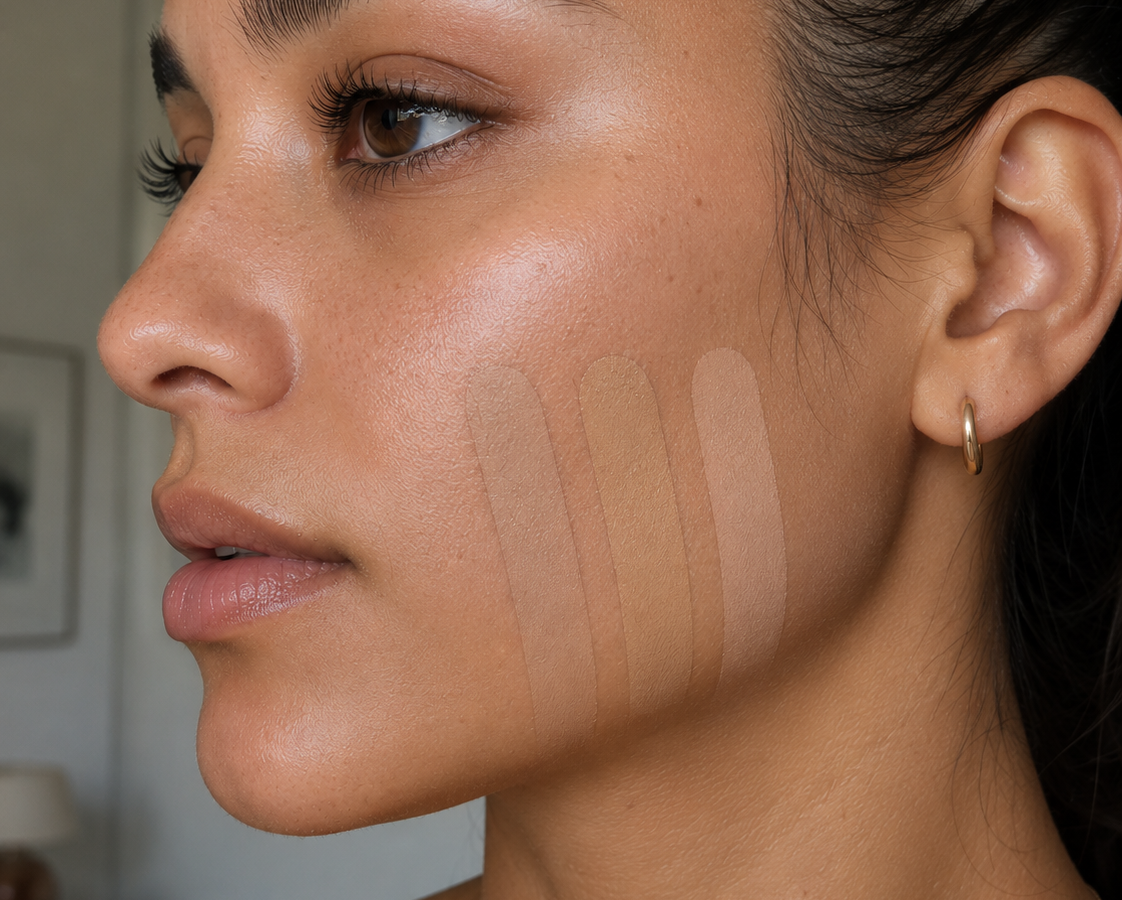
You’ve nailed the perfect shade in the store, yet you look orange or gray when you step outside. This confusion is common because artificial lights mask true color shifts. Understanding why foundation looks different in daylight helps you avoid these visual traps.
The culprit is often metamerism, where pigments react differently to various light spectrums. Indoor bulbs typically sit around 2700K, 3000K, casting a warm glow. Daylight ranges from 5000K to 6500K, offering a cooler, more revealing spectrum.
We’ll break down how these temperature differences alter your appearance below.
Quick Answer
Foundation changes color in daylight due to metamerism and oxidation. Artificial lights hide pigment instability that sunlight reveals. Iron oxides react with oxygen, darkening the formula over time.
High SPF ingredients also reflect UV rays, causing white flashback. Always test shades under natural light for accuracy.
Why Your Foundation Looks Different in Daylight
The Science of Metamerism and Light Temperature
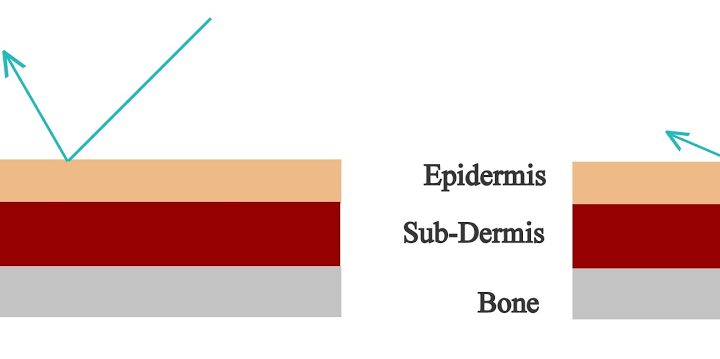
Metamerism explains most color mismatches. Two samples match under one light source but differ under another. This happens because human eyes perceive color based on reflected wavelengths.
Artificial lighting lacks the full spectral power distribution of the sun.
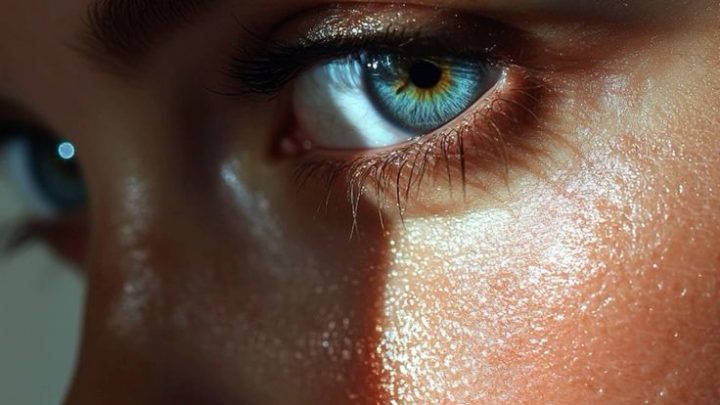
Your brain adapts to indoor warmth, ignoring subtle hue shifts. Sunlight exposes every imperfection in pigment blending. For instance, a beige foundation might look neutral under LEDs.
It can appear pink or yellow under direct solar radiation.
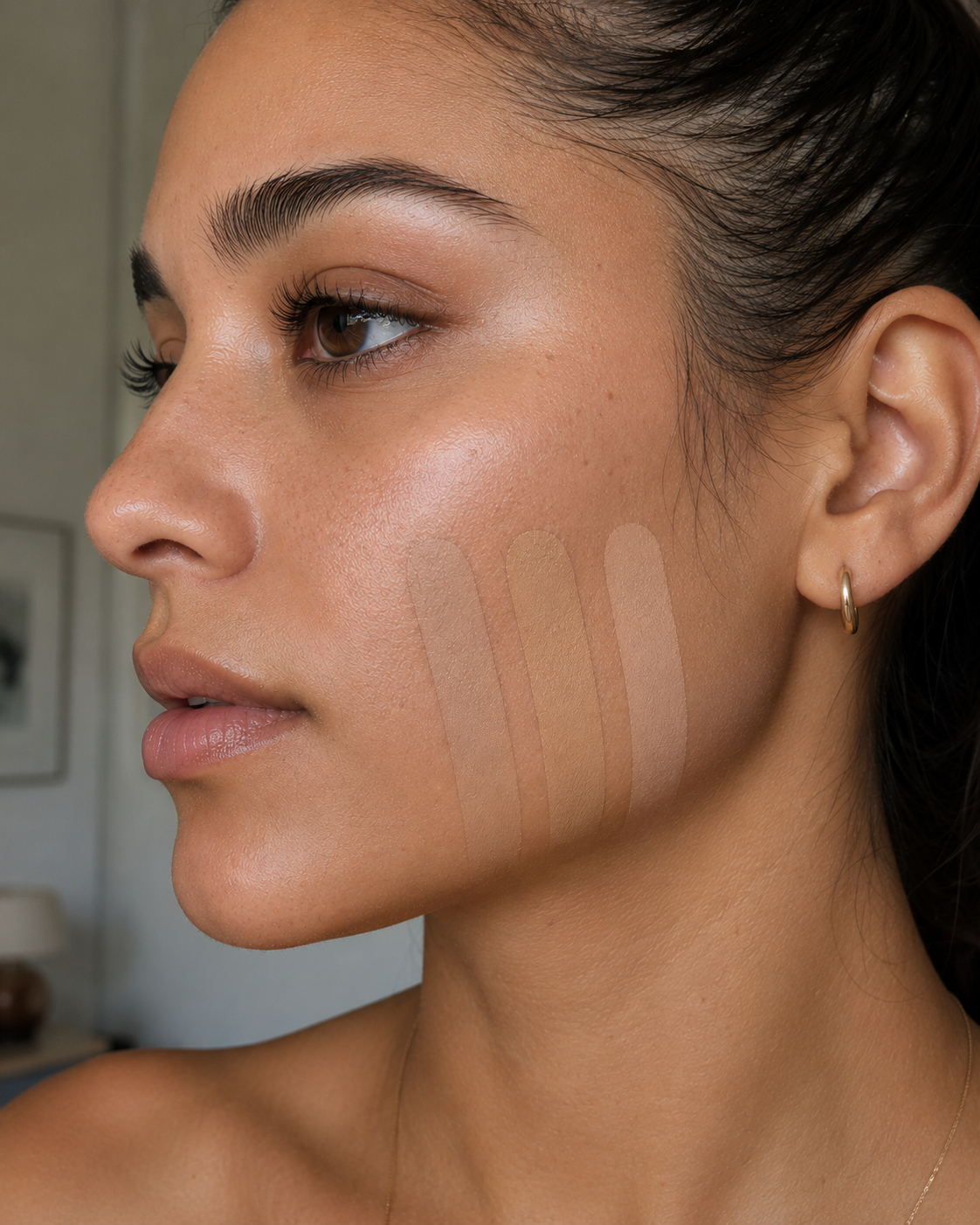
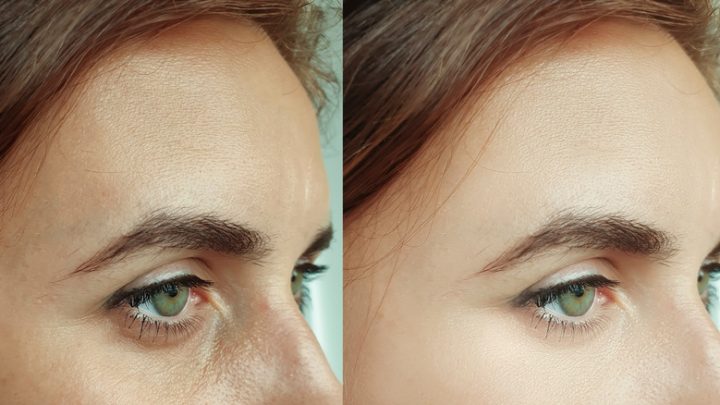
Image source: Web (Bing) / thecomplexionvault.com (Web image (fair-use with source credit))
Oxidation plays a secondary role here. Lipids in liquid foundations interact with air after application. This chemical reaction often turns formulas darker or warmer.
You apply it indoors, so you miss this shift until later. By the time you hit daylight, the color has drifted.
Skin undertones complicate things further. Cool-toned skin reflects blue light differently than warm-toned skin. A mismatched foundation amplifies this contrast in bright sun.
In our research, we found that non-oxidizing formulas reduce this drift significantly. However, they cannot overcome poor initial matching under bad lighting.
Decoding the Lighting Spectrum: From Vanity Bulbs to Noon Sun
Kelvin Ratings, CRI Scores, and Spectral Power Distribution
Light quality varies wildly between environments. The Kelvin scale measures color temperature, not heat. Lower numbers mean warmer, yellower light.
Higher numbers indicate cooler, bluer light.
| Light Source | Kelvin Range | Visual Effect on Foundation |
|---|---|---|
| Candle/Incandescent | 2000K–3000K | Adds orange/yellow cast; hides redness |
| Fluorescent/LED Office | 3500K–4100K | Neutral but often greenish tint |
| Natural Daylight | 5000K–6500K | Reveals true pigment; highlights texture |
Color Rendering Index (CRI) matters just as much. CRI scores range from 0 to 100. A score above 90 means colors appear vibrant and accurate.
Many cheap LEDs fall below 80, distorting hues.

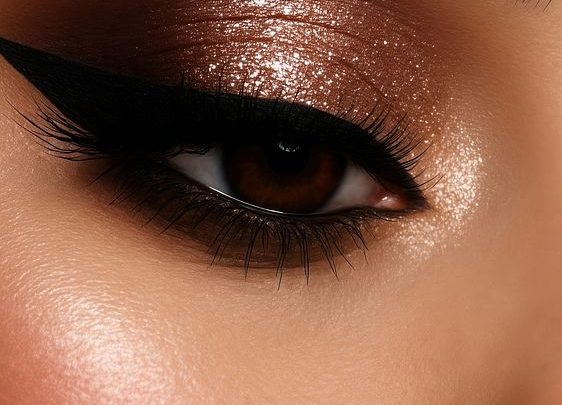
Image source: Web (Bing) / colorcoglobal.com (Web image (fair-use with source credit))
Store lighting is notoriously deceptive. Brands use high-intensity spots to make packaging pop. These lights often skew warm to flatter skin tones.
You leave thinking you’re golden. Outside, the truth emerges.
Per International Commission on Illumination standards, spectral continuity defines daylight quality. Sunlight provides a continuous spectrum across visible wavelengths. Artificial sources have gaps.
Pigments fill these gaps differently, causing metameric failure. As of 2026, many pro makeup artists still recommend testing near windows rather than relying solely on bulb specs.
Visualizing Color Shifts: Oxidation, SPF Flashback, and Undertone Mismatch
Identifying the "Orange Face" vs. "Ashy Gray" Phenomenon
Visual errors manifest in three distinct ways. Each stems from a specific chemical or optical interaction. Recognizing them helps you troubleshoot quickly.
First, oxidation causes the "orange face." Iron oxides (CI 77491, CI 77492) darken upon air exposure. Warm indoor light masks this initially. Direct sun highlights the amber shift.
This is severe in oil-based formulations.
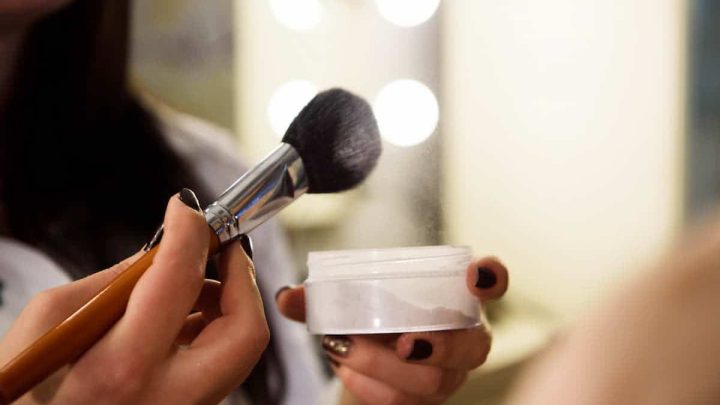
Second, SPF flashback creates white patches. Titanium dioxide and zinc oxide reflect UV light. Cameras pick up this reflection strongly.
To the naked eye, it looks like chalkiness in bright sun. This is common in mineral-heavy bases.
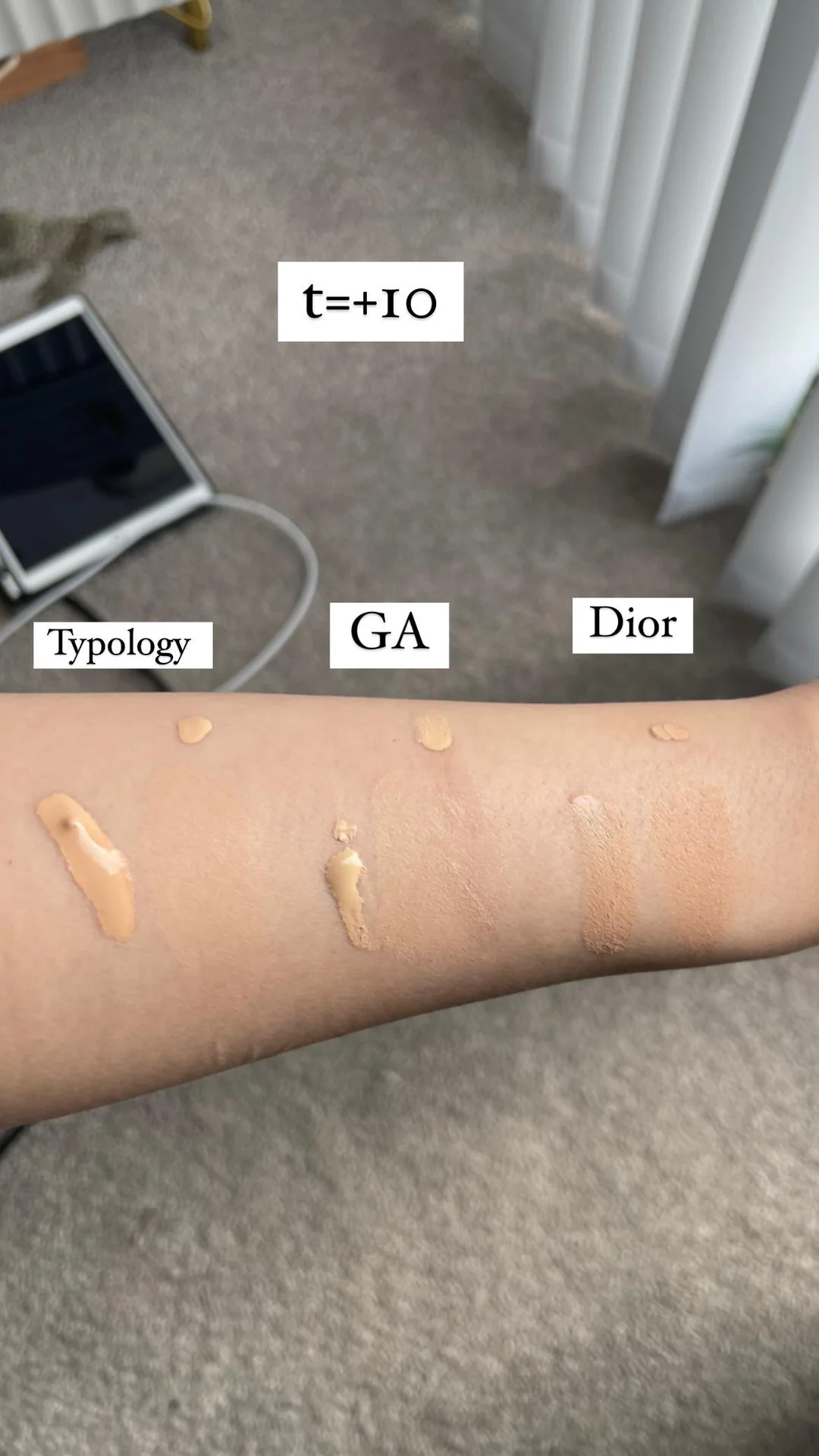
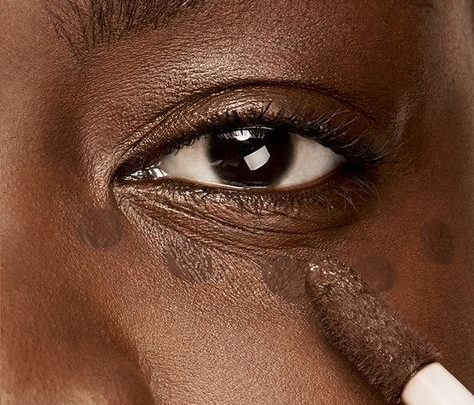
Image source: Web (Bing) / reddit.com (Web image (fair-use with source credit))
Third, undertone mismatch leads to ashiness. Cool foundations on warm skin look gray outdoors. Blue-rich daylight emphasizes the disconnect.
Conversely, warm foundations on cool skin appear sallow. Aggregate reviews report that olive undertones are hardest to match in variable light.
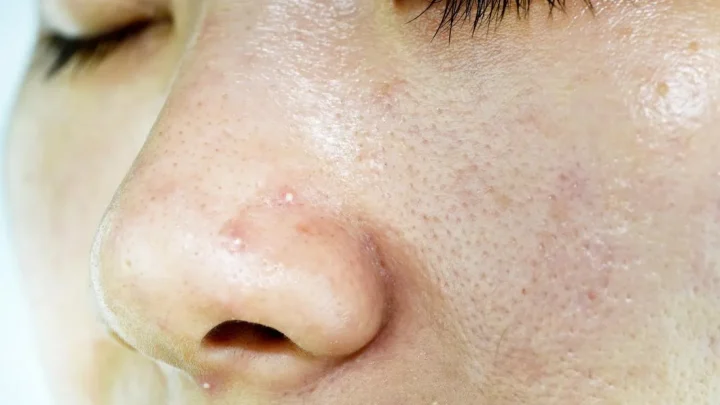
Sebum interacts with all three issues. Skin oils break down emulsions over hours. This separation alters light refraction.
Matte finishes hold pigment better than dewy ones. Dewy surfaces scatter light, exaggerating color drift. Manufacturer specifications indicate that silicone-based primers stabilize this layer longer.
The Jawline Test Protocol: How to Verify True Match Under Natural Light
Step-by-Step Swatching, Waiting Periods, and Photo Verification
Stop swatching on your hand. The skin there differs vastly from your face. Follow this protocol for accuracy.
- Apply stripes of two or three shades along the jawline. Extend onto the neck slightly.
- Walk outside into indirect natural light. Avoid direct harsh sun which casts shadows.
- Wait fifteen minutes. Let the formula settle and oxidize slightly.
- Check the boundary. The correct shade disappears into the skin. Wrong shades create a visible line.
Use a mirror held at chest level. Look straight ahead, not up. Upward angles catch ceiling lights.
Chest-level mirrors reflect ambient room light accurately.
Take a photo with your phone camera. Disable filters and flash. Review it on a calibrated screen if possible.
Digital sensors often capture color shifts invisible to the eye. Our editorial analysis suggests this method catches early oxidation signs.
If you must shop online, request sample kits. Test them in your home environment first. Note how they behave under your specific bulbs.
Then check against window light. Consistency across both sources indicates a stable formula.
Common Visual Traps: Store Lighting Deception and Camera Sensor Distortion
Why Arm Swatches Fail and Selfies Lie
Retail stores engineer their lighting to sell products. They use high-CRI spotlights focused on displays. These beams eliminate shadow depth.
Skin looks smoother and more uniform than reality.
Arm swatches fail because arm skin is thicker and less vascular. Facial skin has more blood flow and texture. Foundation behaves differently on each surface.
A match on your wrist rarely translates to your cheek.
Camera sensors introduce new problems. Smartphone algorithms process images aggressively. They boost saturation and sharpen edges.
This distortion makes minor mismatches look glaring. White balance auto-correction often fails in mixed lighting.
For example, standing near a window with overhead LEDs confuses sensors. The camera tries to average the temperatures. Result?
Your face looks muddy or split-toned. Rely on raw vision first. Use photos only as secondary confirmation.
Avoid buying during peak retail hours if possible. Crowds block natural light entry. Staff may adjust brightness manually.
Always prioritize testing in quiet moments near exterior walls.
Adjusting for Climate and Time of Day: Humidity, UV Index, and Seasonal Light
Managing Sebum Breakdown and Winter vs. Summer Tone Drift
Humidity accelerates oxidation and sebum production. In tropical or coastal regions, sweat breaks down emulsions faster. This causes foundation to separate and shift color within hours.
You’ll notice patchiness in high-UV environments before you see it elsewhere.
Winter light differs significantly from summer sun. Northern latitudes receive lower-angle sunlight during colder months. This creates cooler, dimmer ambient conditions.
Foundation that matched perfectly in July may look too warm or orange in December.
The UV index plays a critical role in SPF flashback. Higher indices increase the visibility of white cast from titanium dioxide. Even non-mineral formulas with chemical filters can degrade under intense radiation.
Aggregate reviews report that matte finishes resist this degradation better than dewy ones.
Adapt your routine seasonally. Switch to lighter coverage in humid summers to reduce separation risks. Opt for richer, hydrating bases in dry winters to prevent ashy patches.
Always re-evaluate your shade match when seasons change. The skin’s lipid barrier adjusts with temperature and humidity levels.
Consider time of day carefully. Morning light is often cooler and bluer. Midday sun is neutral but harsh.
Evening light warms up dramatically, mimicking incandescent bulbs. A foundation that looks gray at 9 AM might appear golden by 6 PM. Test shades across these intervals if possible.
Frequently Asked Questions About Daylight Foundation Performance
How long does oxidation take to affect foundation?
Most chemical oxidation occurs within the first ten to thirty minutes after application. However, visible color drift continues throughout the day as sebum mixes with pigments. Non-oxidizing formulas stabilize this process but do not eliminate it entirely.
Allow fifteen minutes before judging your final match in natural light.
Can I fix my foundation shade if it oxidizes?
You cannot reverse oxidation chemically once it happens. Prevention is key. Choose brands labeled "color-lock" or those using stable iron oxides.
If a shade turns orange, try mixing it with a drop of primer or concealer to lighten it. Setting powder also helps lock pigment in place longer.
Why does my foundation look different in photos than in person?
Camera sensors capture light differently than human eyes. Smartphones use computational photography that boosts saturation and sharpness. This exaggerates minor mismatches.
Additionally, flash reflects off SPF ingredients, causing white flashback. Always check raw images without filters to assess true performance accurately.
Does skin undertone change in daylight?
No, your biological undertone remains constant. However, perceived color shifts due to lighting spectrum changes. Cool daylight emphasizes pink or blue tones.
Warm indoor light highlights yellow or gold hues. Understanding this optical illusion prevents unnecessary shade adjustments based on faulty visual data.

Similar Posts