Why Your Scalp Gets So Dry in Winter (And How to Fix It)
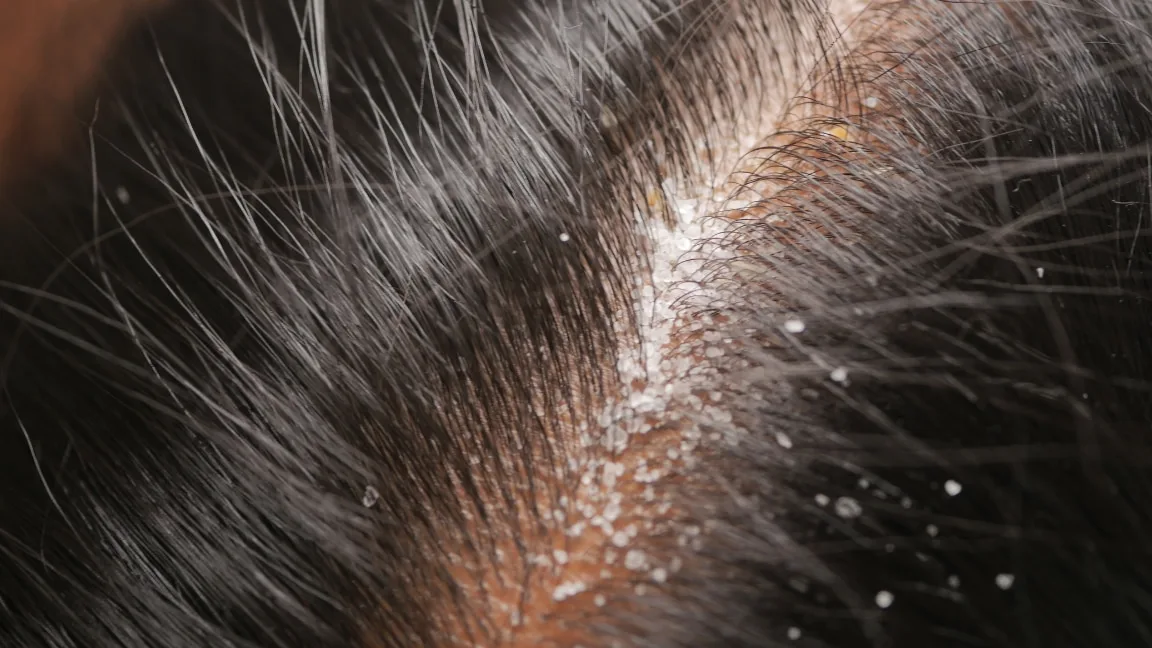
If you're wondering why scalp feels dry in winter, the answer comes down to physics. Cold air holds almost no moisture. When you step inside and crank the heat, that already dry air gets drier.
Your scalp loses water faster than it can replace it.
Image source: Web (Bing) / ar.inspiredpencil.com (Web image (fair-use with source credit))
The EPA recommends keeping indoor relative humidity between 30% and 50%. Most heated homes drop well below that in January. That gap is exactly what triggers transepidermal water loss on your head.
Let's break down how to figure out what your scalp actually needs right now.
Quick Answer
Your scalp feels dry in winter because cold air lacks moisture. Indoor heating drops humidity even further. This accelerates transepidermal water loss from your skin.
Your natural oils also thicken in the cold. They stop spreading evenly across your scalp.
Why Your Scalp Actually Dries Out in Winter (It’s Not Just the Cold)
Winter scalp dryness isn't just about the temperature dropping outside. It's a chain reaction. The stratum corneum is the outermost layer of your skin.
It relies on a healthy lipid barrier made of ceramides, cholesterol, and free fatty acids to hold water in.
Cold ambient air has very low absolute humidity. It pulls moisture directly out of your skin. Then you go indoors where forced air heating systems bake the remaining moisture out of the room.
Your scalp takes a double hit every single day.
Sebum production slows down too. Even the oil your scalp does make gets thicker in the cold. It doesn't spread easily.
So parts of your scalp get zero protection while other areas might feel slightly greasy.
Natural Moisturizing Factors like urea and amino acids also deplete faster when the air is dry. These compounds normally act like tiny sponges holding water in your skin cells. Without them, the skin tightens up and starts flaking.
Our research shows people living in northern climates deal with this for months. You spend most of your time moving between freezing wind and dry heated rooms. Neither environment gives your skin barrier a chance to recover.
The Decision Point: True Dry Scalp vs. Winter Triggered Dandruff
Figuring out why your scalp flakes in winter requires a quick visual check. Treating the wrong condition makes everything worse. If your flakes are small, white, and fall like snow, you likely have true xerosis cutis.
That means your scalp simply lacks moisture and oil.
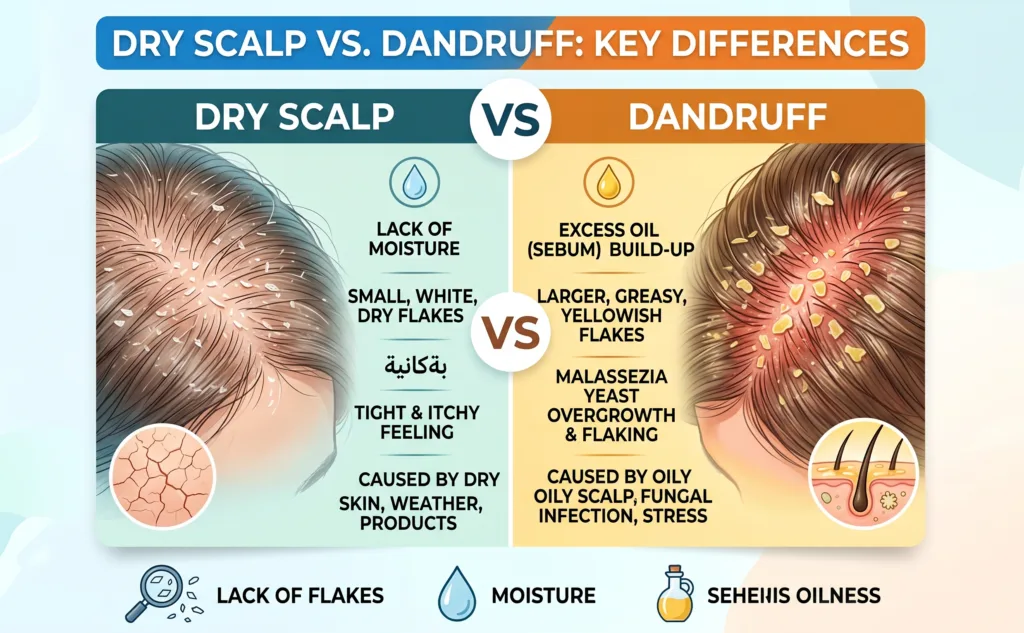
Image source: Bing (Web (fair-use with source credit))
If the flakes are larger, yellowish, and stick to oily patches, you're dealing with seborrheic dermatitis. A yeast called Malassezia globosa causes this. It feeds on your scalp oils.
Cold weather stress often triggers seasonal flare ups.
Here is how you separate the two based on what we see in clinical guidelines from the American Academy of Dermatology.
| Feature | True Dry Scalp | Winter Dandruff |
|---|---|---|
| Flake size | Very small | Medium to large |
| Flake color | White | Yellowish or gray |
| Scalp feel | Tight and dry | Oily or greasy |
| Redness | Rare | Common |
| Itch type | Sharp and dry | Deep and persistent |
This distinction matters more than anything else. If you have true dry scalp, you need humectants and emollients to rebuild the barrier. Ingredients like glycerin or squalane work perfectly here.
If you have winter triggered dandruff, adding heavy oils is a mistake. Malassezia yeast literally eats those oils. Slathering coconut oil on a fungal flare up will feed the problem.
You need targeted antifungal washes instead.
Look closely at your shoulders and your part line before buying any products. The color and texture of the flakes tell you exactly which path to take next. Getting this right saves you weeks of frustration.
The Winter Scalp Workflow: How to Fix the Right Problem
Once you know what you're dealing with, follow the right steps. We've broken this down into a simple workflow. Start with your environment before touching your hair care routine.
Step 1: Audit your indoor air
Buy a cheap hygrometer if you don't have one. If your bedroom sits below 30% humidity, run a humidifier while you sleep.
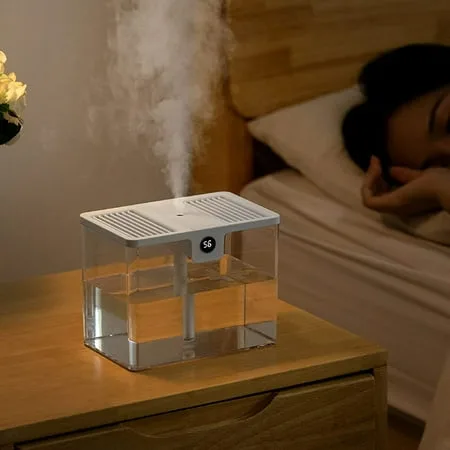
Image source: Bing (Web (fair-use with source credit))
Per EPA testing standards, keeping indoor humidity around 40% drastically reduces skin dehydration overnight. Don't point heating vents directly at your bed either. Forced hot air strips moisture from your scalp while you rest.
Step 2: Lower your shower temperature
Hot water feels great in December. It destroys your lipid barrier. Scalding water melts away the ceramides holding your skin cells together.
Turn the dial down to warm.
Wash your hair less frequently too. Two times a week is usually plenty during deep winter. Over washing strips away whatever natural sebum your scalp manages to produce.
Step 3: Choose your treatment path
If you confirmed true dry scalp, switch to a sulfate free cleanser. Sodium lauryl sulfate is far too harsh for winter skin. Look for gentle formulas with added urea or hyaluronic acid.
Apply a lightweight emollient like jojoba oil directly to the scalp after washing. Jojoba mimics human sebum closely. It absorbs without leaving a heavy greasy film behind.
If you identified winter dandruff, use a medicated shampoo containing zinc pyrithione or ketoconazole. Lather it in and leave it on the scalp for three to five minutes. The active ingredients need contact time to slow down the yeast growth.
Rinse thoroughly. Follow up with a light conditioner on the ends of your hair only. Keep heavy creams away from the roots so the yeast has nothing to feed on.
Step 4: Protect your scalp outdoors
Wear a hat when the wind chill drops. But choose the right material. Rough wool creates friction against a compromised stratum corneum.
Line your winter hats with silk or satin to reduce mechanical irritation.
Common Mistakes That Make a Flaky Winter Scalp Worse
People panic when they see flakes on their dark coats. That panic leads to bad habits. Scrubbing your scalp harder with harsh brushes is the first mistake.
Micro fissures open up in dry skin easily. Scratching introduces bacteria and turns a mild annoyance into an infection risk.
Using clarifying shampoos in January is another trap. Those formulas contain high levels of strong surfactants designed to strip product buildup. In winter, they strip your Natural Moisturizing Factors right along with the dirt.
Stick to gentle daily cleansers until spring.
Applying undiluted essential oils causes serious problems too. Tea tree oil and peppermint oil are known contact sensitizers. Putting them straight onto a cracked winter scalp burns terribly.
They can trigger allergic contact dermatitis on top of your existing dryness.
Ignoring hard water is a hidden issue. If you live in an area with heavy mineral deposits, calcium builds up on your scalp. It blocks moisture from absorbing properly.
A simple showerhead filter helps if your local water supply is highly mineralized.
Finally, don't skip patch testing new serums. Put a drop behind your ear for 24 hours before rubbing it all over your head. Winter skin reacts unpredictably to new ingredients.
Aggregate user reviews show many people skip this step and end up with chemical burns.
Long Term Maintenance: Keeping Your Scalp Barrier Intact Until Spring
Fixing a dry scalp once isn't enough. You have to maintain the repair as long as the heater runs. Think of your scalp care like skincare.
Consistency beats intensity every single time.
Keep your wash schedule predictable. Wash on the same days each week. Your sebaceous glands adapt to routines.
Erratic washing confuses your oil production cycle.
Reapply your chosen lightweight moisturizer after every wash. Don't wait until the itch returns. Prevention keeps the desquamation rate normal.
That means your skin sheds invisibly instead of falling off in visible clumps.
Monitor your indoor humidity weekly as of 2026 smart home sensors make this effortless. Many modern thermostats track relative humidity automatically. Set alerts if your home drops below 35%.
Eat foods rich in omega fatty acids to support lipid production from the inside out. Hydration matters too, but drinking water alone won't fix a broken external barrier. You still need topical support.
When March arrives, transition slowly. Don't jump back into summer clarifying routines immediately. Give your scalp a few weeks to adjust to the rising outdoor humidity.
Your skin barrier needs time to recalibrate its own moisture retention.
Frequently Asked Questions
Why does my scalp itch more at night in winter?
Your body temperature rises slightly during sleep. This triggers histamine release in already dry skin. Forced air heating also runs constantly overnight.
Your bedroom humidity plummets while you rest. That combination makes the itch feel unbearable right before bed.
Can wearing a beanie cause a dry scalp?
Yes, if the material is rough or traps sweat. Wool creates friction against a weakened stratum corneum. Sweat trapped under tight hats feeds Malassezia yeast too.
Choose hats lined with silk or satin instead. They protect your scalp from cold wind without causing irritation.
How often should I wash my hair in winter?
Washing twice a week works for most people in cold weather. Daily washing strips away natural sebum faster than your scalp can replace it. If you exercise heavily, rinse with plain water on off days.
Save the sulfate free cleanser for your actual wash days.
Does drinking more water fix a dry winter scalp?
Hydration helps your overall health, but it won't fix a broken lipid barrier directly. Water you drink rarely reaches the outermost dead skin cells. You need topical humectants and occlusives to trap moisture locally.
Think of drinking water as support, not the main solution.
When should I see a doctor about winter scalp flakes?
See a board certified dermatologist if your scalp bleeds, weeps fluid, or crusts over. Hair loss accompanying severe flaking is another major warning sign. Over the counter moisturizers cannot treat secondary bacterial infections.
The National Eczema Association recommends professional evaluation when home care fails after two weeks.
Is dandruff shampoo bad for a truly dry scalp?
Medicated dandruff shampoos contain active antifungal ingredients like zinc pyrithione. These compounds target yeast, not simple moisture loss. Using them on true xerosis cutis can dry your skin out further.
Only use medicated washes if you confirmed yellowish flakes and oiliness first.