Protect Your Edges: The Best Protective Styles Guide
Figuring out how to protect edges with protective styles starts with recognizing that your hairline is fragile. Many people assume tight braids are the ultimate shield, but they often cause more harm than good. The goal isn't just covering hair; it's minimizing tension and friction.
We need to balance style security with follicle health. Research from the American Academy of Dermatology highlights traction alopecia as a leading cause of permanent hair loss in textured hair communities. As of 2026, best practices emphasize low-manipulation over high-tension methods.
Let’s break down exactly which approach fits your specific hair profile.
Quick Answer
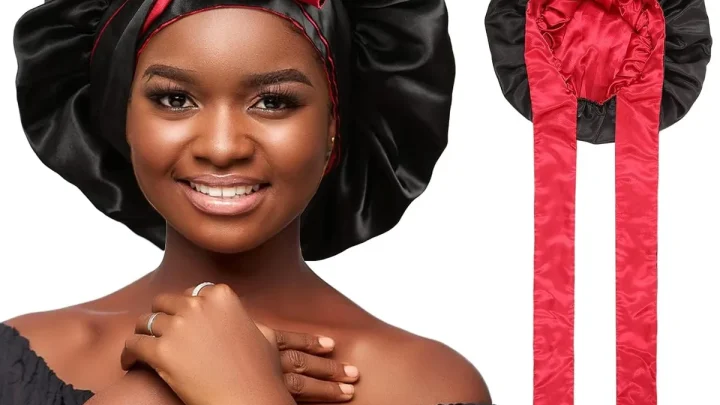
Protecting edges requires low-tension installations like loose twists or silk wraps. Avoid heavy gels that dry hard and pull on baby hairs. Use satin accessories to reduce friction during sleep.
Keep styles worn for no longer than four weeks. Always detangle gently before applying any product. Monitor scalp health weekly for signs of irritation or redness.
Stop immediately if you feel pain. This prevents permanent follicle damage.
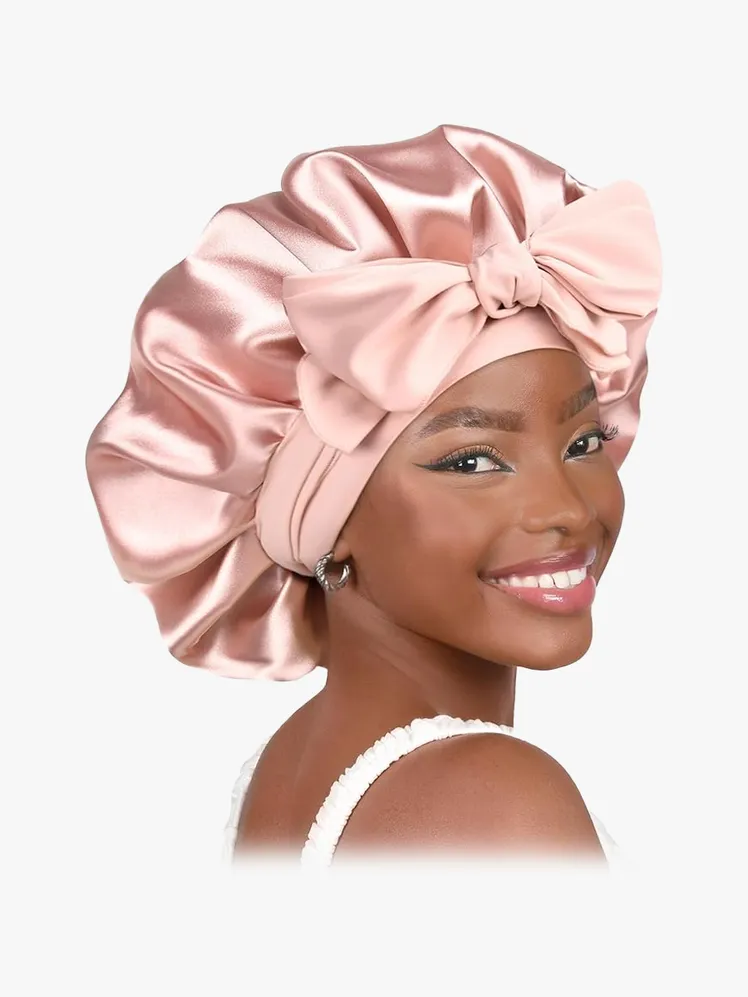
Image source: Web (Bing) / allure.com (Web image (fair-use with source credit))
Why Your Edges Are Breaking Before They Grow Back
Edges, also known as the hairline or baby hairs, consist of finer, shorter strands. These follicles produce vellus-like hair that lacks the structural strength of scalp hair. When you apply excessive tension, these weak roots snap easily.
This mechanical stress leads to breakage at the shaft or trauma to the bulb.
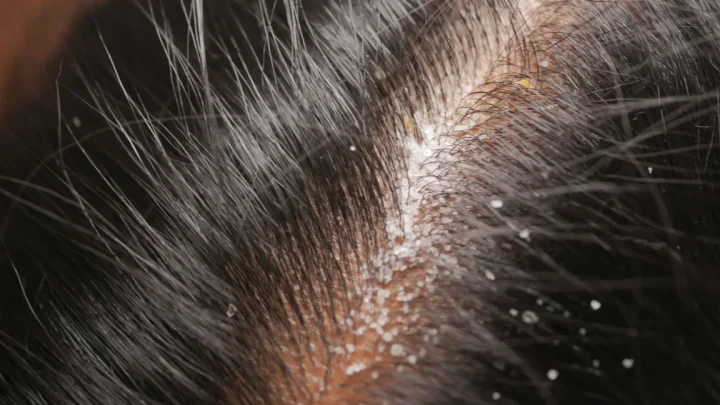
Many users mistake temporary shedding for normal processing. However, persistent thinning along the temples indicates early-stage traction alopecia. The condition becomes irreversible if left unchecked for too long.
Our research shows that consistent pressure restricts blood flow to the follicle. Without adequate circulation, nutrients cannot reach the root. The hair enters a dormant phase prematurely.
Friction plays a secondary role in edge damage. Cotton pillowcases roughen the cuticle of delicate hairs nightly. This abrasion causes frizz and eventual breakage even without styling tension.
Combining tight styles with cotton bedding creates a double threat. You lose density faster than you can regenerate it. Understanding this mechanism helps you prioritize gentleness over aesthetics.
The aim is retention, not just coverage.
The Tension Test: Choosing Between Braids, Twists, and Wraps
Selecting the right style depends on your current hair density and sensitivity. Not all protective styles offer equal safety for the hairline. We use a simple tension test to determine suitability.
If you feel any pulling at the temples, the style is too tight. Pain is never acceptable in hair care.
Loose two-strand twists generally offer the best balance for most textures. They distribute weight evenly across the scalp rather than concentrating it on one row. Cornrows provide structure but often require higher tension at the front.
This makes them risky for already-thinned areas unless installed very loosely. Flat twists sit closer to the head, reducing snagging risks.
Silk or satin wraps serve as excellent non-installation options. They lay hair flat without elastic bands digging into the skin. This method works well for those recovering from severe damage.
It allows the scalp to breathe while keeping hair contained. Below is a quick comparison of common methods.
| Style Type | Tension Risk | Best For | Duration Limit |
|---|---|---|---|
| Loose Twists | Low | Daily wear, sensitive scalps | 2–3 weeks |
| Cornrows | Medium-High | Active lifestyles, gym-goers | 2 weeks max |
| Silk Wrap | Very Low | Nighttime, recovery phases | Indefinite |
| Lace Front Wig | High | Special occasions only | < 1 week |
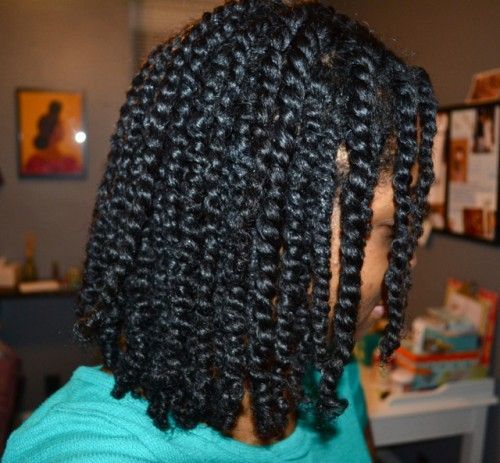
Image source: Web (Bing) / pinterest.com (Web image (fair-use with source credit))
Wig installation deserves special caution. Adhesives often contain harsh chemicals that irritate the skin barrier. Pulling back natural hair tightly to accommodate a wig cap stresses the edges severely.
Reserve wigs for short-term events. Never sleep in glued-down units. The removal process alone can rip out healthy follicles if done incorrectly.
Prioritize styles that do not require adhesive near the hairline.
Step-by-Step Installation for Zero-Damage Protection
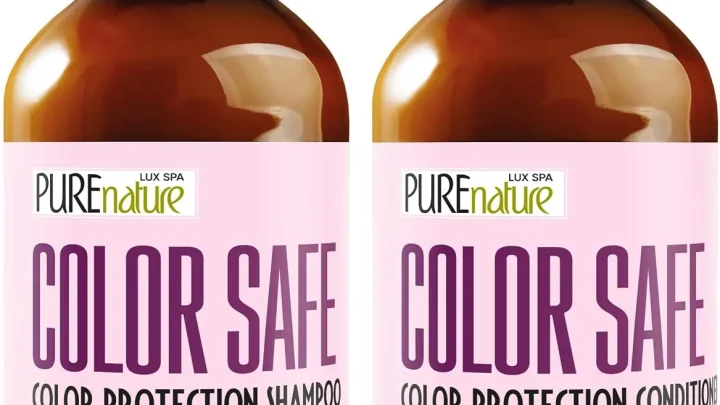
Proper preparation ensures your protective style lasts without harming your edges. Start by washing your hair with a sulfate-free shampoo. Condition deeply to restore elasticity.
Dry hair completely before styling. Moisture trapped under a wrap breeds mold and bacteria.
Apply a lightweight leave-in conditioner to damp hair. Focus on the ends and mid-shaft. Avoid heavy oils at the root to prevent clogging.
Next, section your hair carefully. Use wide-tooth combs to detangle each section slowly. Work from tips to roots to minimize snapping.
For twists, divide the front sections into smaller parts. This reduces the bulkiness that pulls on the scalp. Twist firmly enough to hold shape but loosely enough to slide fingers underneath.
Secure ends with small rubber bands coated in fabric or silicone. Bare elastic cuts into hair fibers.
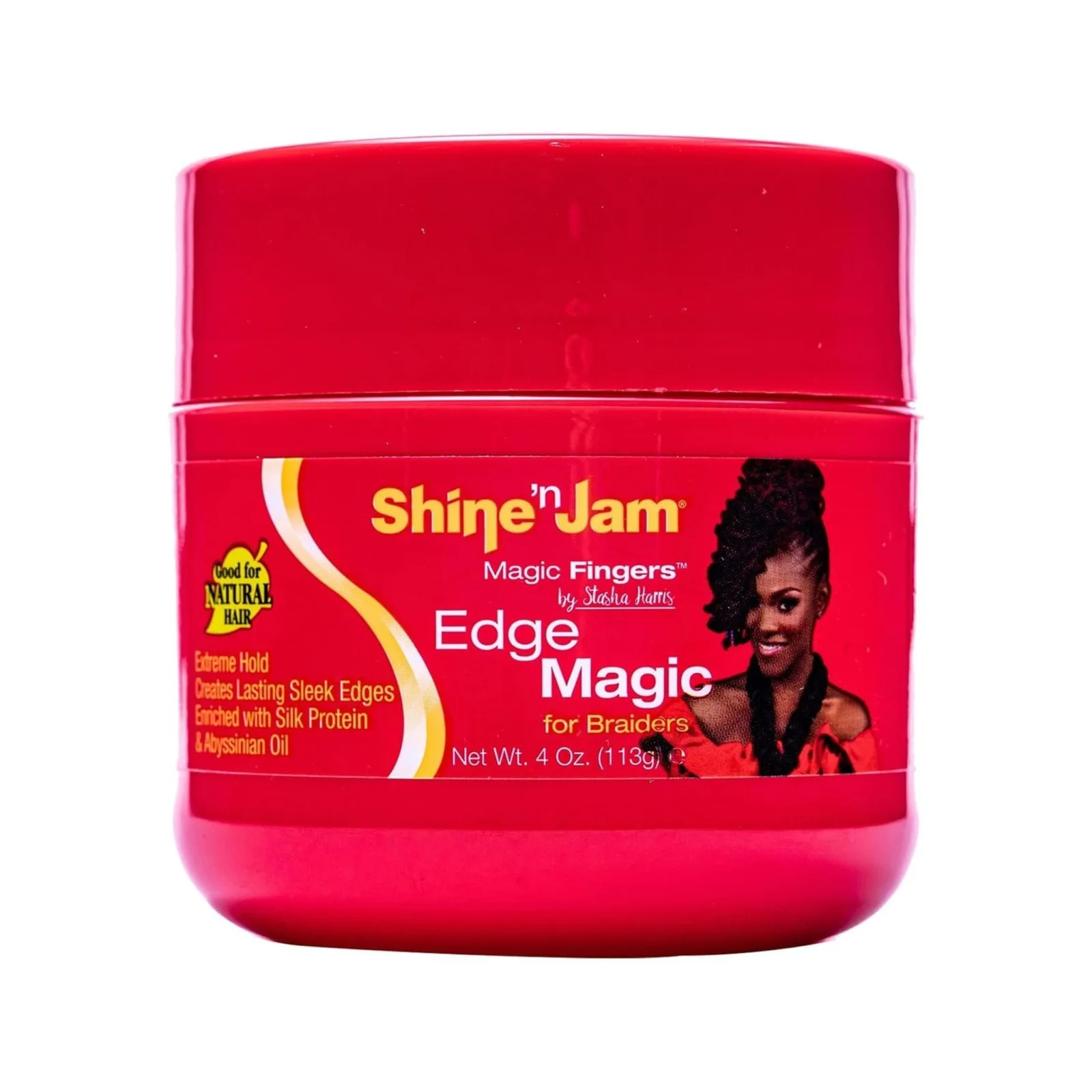
Image source: Web (Bing) / smacosmetics.co.uk (Web image (fair-use with source credit))
When laying edges, use minimal product. A pea-sized amount of wax-based pomade suffices for the entire hairline. Rub it between palms first to warm it up.
Smooth downward following the natural growth pattern. Do not brush aggressively against the grain. This causes immediate breakage.
Pin the hair gently with duckbill clips until set. Remove clips after twenty minutes. Never leave metal pins in overnight.
Material Matters: Silk vs. Satin and Hold Strengths
The materials you choose dictate how much friction your edges endure daily. Silk and satin are both smooth synthetics or natural proteins. They reduce drag significantly compared to cotton or polyester blends.
However, they differ in breathability and cost.
Real silk contains amino acids similar to human hair. This composition minimizes static electricity and moisture loss. It remains cool against the scalp.
Synthetic satin mimics this smoothness at a lower price point. Both work effectively for bonnets and scarves. Choose based on your budget and climate tolerance.
Product hold strength matters equally. Heavy-hold gels often contain alcohol and polymers that dry crunchy. This rigidity snaps fine hairs when you move your head.
Opt for water-based creams or light waxes instead. Look for ingredients like shea butter or jojoba oil. These provide slip without stiffness.
Avoid products labeled "extra hold" for edge laying. They typically rely on drying agents that strip natural oils. Aggregate user reviews report increased flaking and itchiness with strong holds.
Gentle formulation preserves the scalp microbiome. Check ingredient lists for denatured alcohol. Skip these items entirely if your edges are fragile.
Natural butters offer sufficient control for most styles. Remember that less product means less buildup. Buildup attracts dirt and requires harsher cleansing later.
Cycle through different lightweight products to avoid dependency. Rotate between a cream and a gel occasionally. This keeps hair responsive without becoming brittle.
Red Flags: When to Stop Immediately
Stop wearing any style if you feel throbbing pain. Pain signals that blood flow is restricted at the follicle level. This isn't just discomfort; it's tissue damage occurring in real time.
Remove the style gently within hours, not days. Delaying removal increases the risk of permanent scarring.
Watch for raised bumps or pustules along the hairline. These indicate folliculitis, an infection of the hair root. Sweat and product buildup trap bacteria under tight wraps.
If you see redness spreading beyond the immediate area, seek medical advice. Early intervention prevents deep-seated infections.
Check for white spots on the scalp after removal. Pale patches suggest prolonged pressure has damaged pigment cells. This condition, known as hypopigmentation, can be stubborn to reverse.
It serves as a warning sign that your tension threshold was exceeded. Adjust your future installations to be looser. Never ignore these visual cues hoping they fade on their own.
Also monitor for excessive shedding upon takedown. Losing more than five hairs per section during removal is abnormal. Healthy strands stay anchored unless forced out by trauma.
If clumps come away with the braids, your grip was too strong. Switch to lower-manipulation methods immediately. Give your scalp three weeks of rest before trying again.
Use this break to focus solely on moisturizing and gentle massaging. Recovery requires patience and strict adherence to low-stress practices.
Frequently Asked Questions
How long should I wait between protective styles?
Wait at least two to four weeks between installations. This period allows your scalp to recover from mechanical stress. Use this time for deep conditioning treatments and protein balancing.
Avoid heavy styling products during the rest phase. Let your natural texture breathe without artificial holds. Consistent breaks prevent cumulative damage to fragile edges.
Skipping this step accelerates traction alopecia progression significantly.
Can I use edge control daily without damage?
Yes, but only with water-based, alcohol-free formulas. Apply sparingly to damp hair rather than dry strands. Daily use of waxy pomades causes severe buildup.
Wash your hairline thoroughly every seven to ten days. Accumulated residue blocks pores and attracts dirt. Rotate between light creams and gels to vary ingredients.
Always remove product before sleeping to reduce friction. Gentle cleansing preserves scalp health better than aggressive scrubbing.
Do silk bonnets really help protect edges?
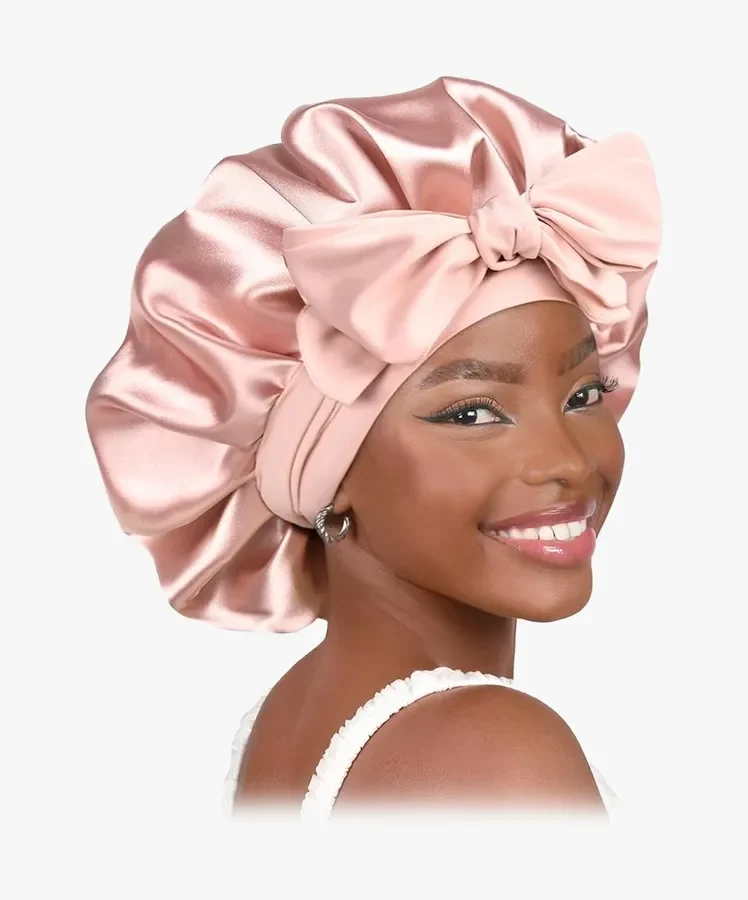
Silk bonnets reduce friction during sleep effectively. Cotton pillowcases roughen cuticles and cause breakage over time. Silk maintains moisture balance better than synthetic satin.
Wear the bonnet snugly but not tightly around the head. Ensure no elastic digs into your forehead or ears. This simple switch protects laid edges overnight.
Combine with loose hairstyles for maximum benefit. Regular replacement of worn-out bonnets ensures continued smoothness.
What if my edges are already bald?
Consult a board-certified dermatologist for assessment. Permanent follicle death requires medical intervention, not just styling changes. Topical minoxidil may stimulate remaining active roots.
Platelet-rich plasma therapies show promise in clinical trials. Do not attempt further tight styling on scarred areas. Focus on protecting existing density elsewhere.
Surgical options exist for advanced cases. Early diagnosis improves outcomes for reversible thinning stages.

Similar Posts