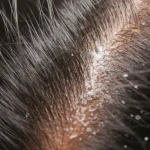
How Long to Leave Dandruff Shampoo On for Best Results
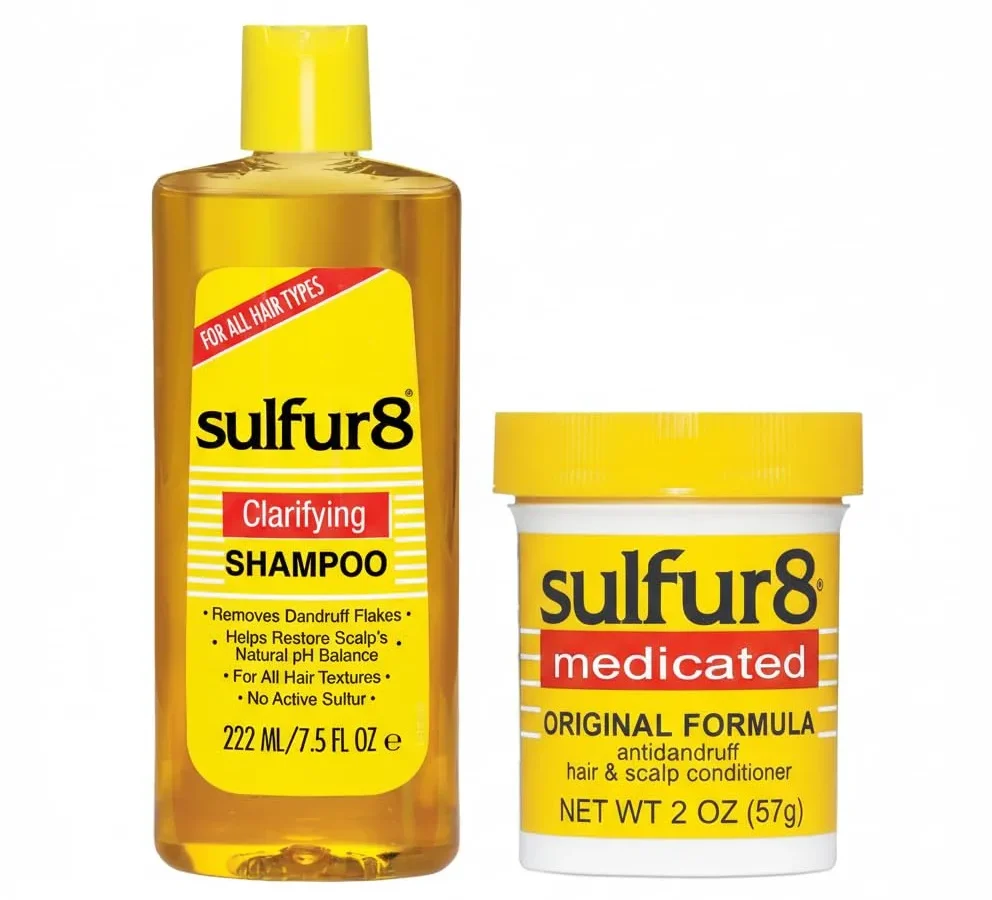
Figuring out how long to leave dandruff shampoo on depends entirely on the active ingredient inside your bottle. If you rinse it out immediately like regular soap, the medication never reaches your scalp. You just wash your money down the drain.
Under FDA OTC monograph guidelines for antidandruff products, these formulas are classified as topical drugs. That means they require specific contact time to penetrate the stratum corneum and actually work. Let's break down exactly what your specific bottle needs.
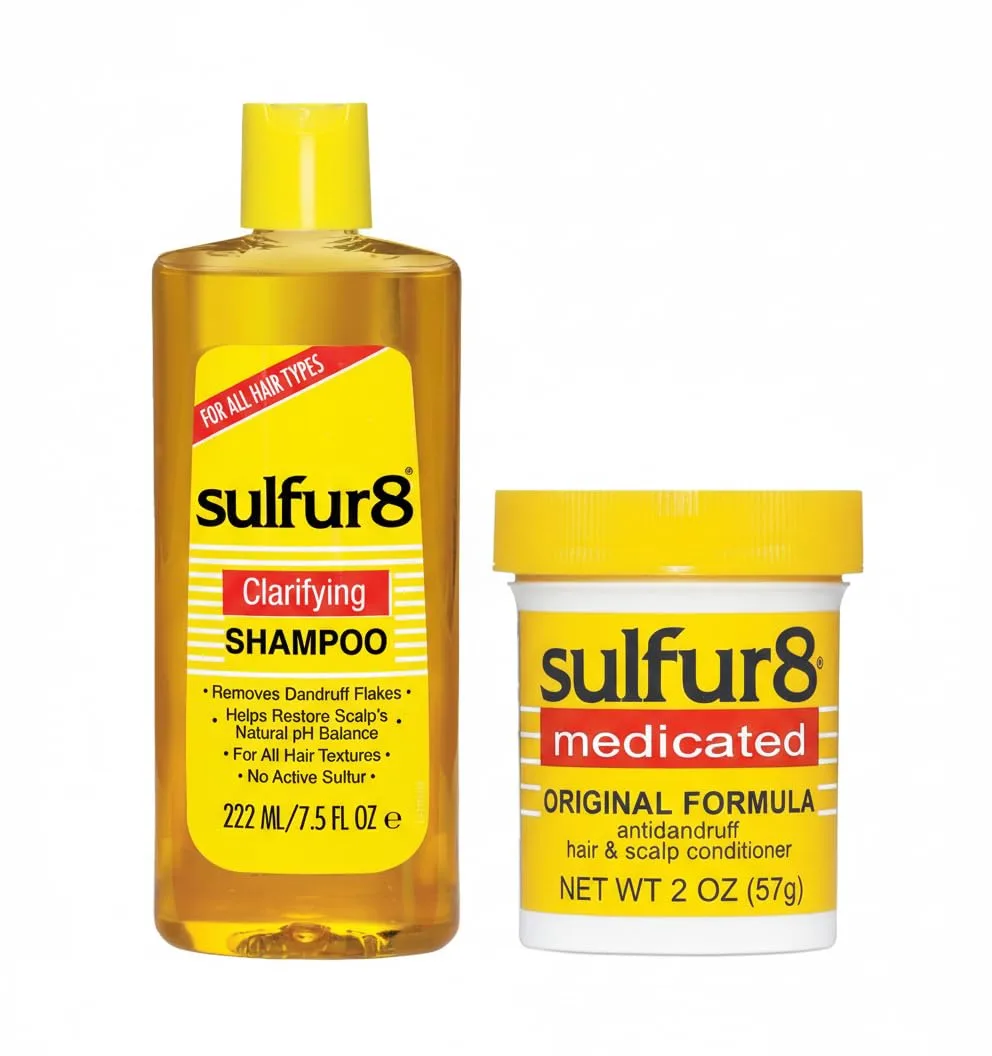
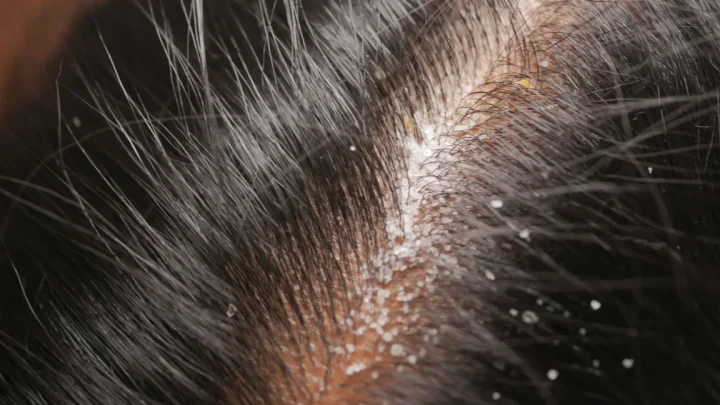
Image source: Bing (Web (fair-use with source credit))
Quick Answer
How long to leave dandruff shampoo on depends on the active ingredient. Most standard formulas need three to five minutes. Coal tar requires up to ten minutes.
Always check your specific Drug Facts label.
Why Your Dandruff Shampoo Isn't Working (The Contact Time Problem)
Dandruff shampoos aren't cosmetic cleansers. They are medicated treatments designed to alter biological processes on your skin. The active ingredients target Malassezia yeast overgrowth or rapid epidermal turnover.
Neither problem fixes itself in thirty seconds.
If you apply a keratolytic agent like salicylic acid and rinse immediately, it cannot break down dead cells. Desquamation requires sustained chemical contact. Our research shows most people underestimate this dwell time significantly.
Think of the contact time as an activation window. The formula needs those minutes to bypass sebum and styling product buildup. It has to physically reach the skin surface where the flaking originates.
Skipping this step renders the treatment useless.
Manufacturer specifications confirm that antifungal penetration peaks during the recommended wait period. Rinsing early interrupts that absorption curve completely. You end up washing away the medicine before it does anything.
This explains why so many people think their shampoo stopped working. The product didn't fail. The application method did.
Fixing your timing is usually the only adjustment required.
The Active Ingredient Decision Guide: Exactly How Long to Wait
The correct wait time changes based on your specific formulation. Flip your bottle around and read the Drug Facts label. Find the active ingredient name and match it to the decision branches below.
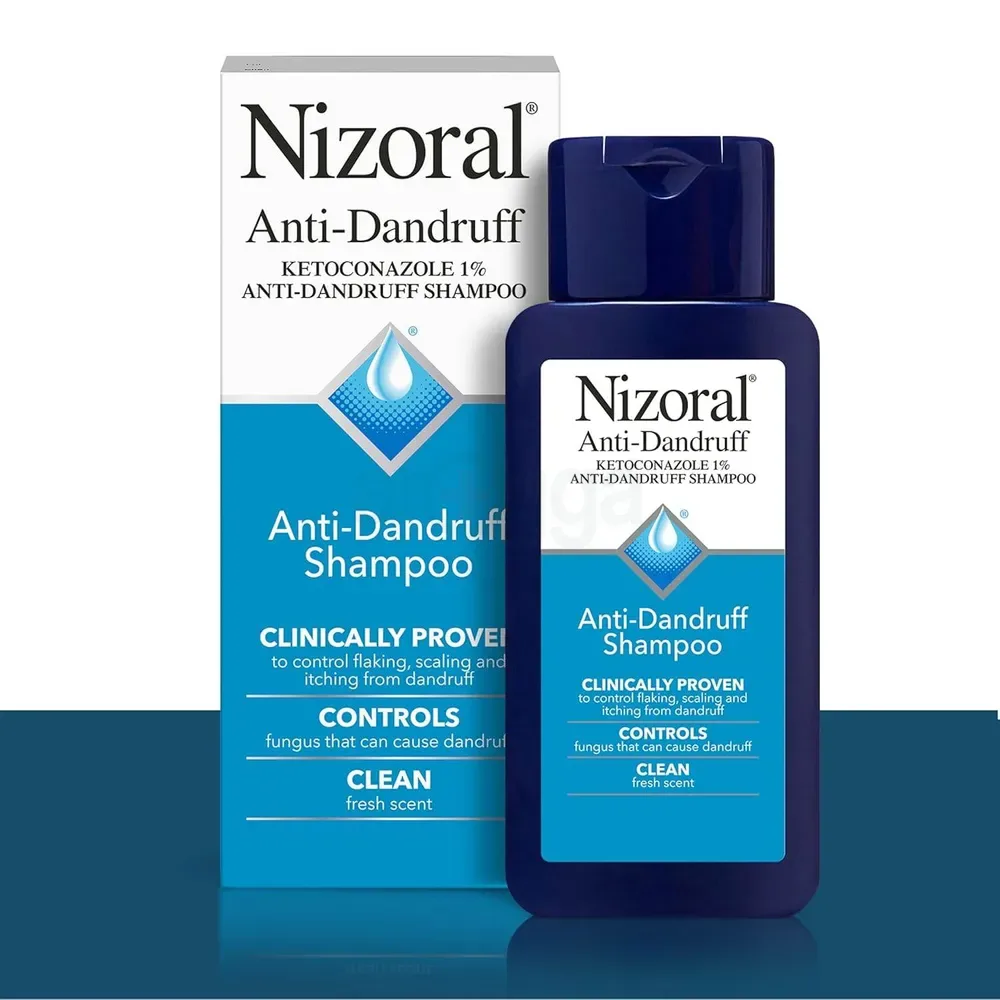
Image source: Bing (Web (fair-use with source credit))
Zinc Pyrithione, Piroctone Olamine, and Ketoconazole
If your bottle lists zinc pyrithione, piroctone olamine, or ketoconazole, leave it on for three to five minutes. These are primarily antifungal agents targeting Malassezia globosa. They need sustained contact to disrupt the yeast cell membrane.
Ketoconazole at 1% concentration is standard for over the counter use. Prescription strength bumps to 2%. Both require that full three to five minute window to penetrate effectively.
Piroctone olamine works similarly but is generally milder. It suits sensitive scalps prone to contact dermatitis. Stick to the lower end of the timing range if irritation occurs.
Selenium Sulfide and Salicylic Acid
If your active ingredient is selenium sulfide or salicylic acid, aim for two to three minutes. These act differently than antifungals. They focus heavily on slowing down cell production and dissolving thick crusty scale buildup.
Salicylic acid acts as a keratolytic agent. It chemically unbinds dead skin cells from the surface. Leaving it on longer than three minutes risks stripping your moisture barrier.
This causes reactive sebum overproduction and worse flaking later.
Selenium sulfide at 1% or 2.5% concentration carries similar risks. It is highly effective for oily scalps. But extended exposure frequently leads to excessive dryness and irritation.
Coal Tar
If you are using coal tar, leave it on for five to ten minutes. Coal tar is a heavy cytostatic agent used for severe conditions like scalp psoriasis. It slows down rapid skin cell reproduction directly.
Because it works slowly, it demands the longest contact time. Manufacturer documentation often specifies the full ten minutes for thick plaques. Anything less usually fails to soften stubborn scales.
Coal tar also causes photosensitivity. Wash it out thoroughly before exposing your scalp to direct UV light. It can stain light colored hair and shower grout as well.
| Active Ingredient | Target Wait Time | Primary Mechanism |
|---|---|---|
| Zinc Pyrithione | 3 to 5 minutes | Antifungal |
| Ketoconazole | 3 to 5 minutes | Antifungal |
| Piroctone Olamine | 2 to 3 minutes | Mild Antifungal |
| Selenium Sulfide | 2 to 3 minutes | Cytostatic |
| Salicylic Acid | 2 to 3 minutes | Keratolytic |
| Coal Tar | 5 to 10 minutes | Cytostatic |
The Double-Cleanse Workflow for Maximum Scalp Penetration
Applying medicated shampoo directly over dirty hair blocks absorption. Sebum, sweat, and styling products create a physical barrier. The active ingredients sit on top of that grime instead of reaching your skin.
A double cleanse solves this problem completely. You wash twice using two different approaches. This workflow ensures maximum scalp penetration every single time you treat your flakes.
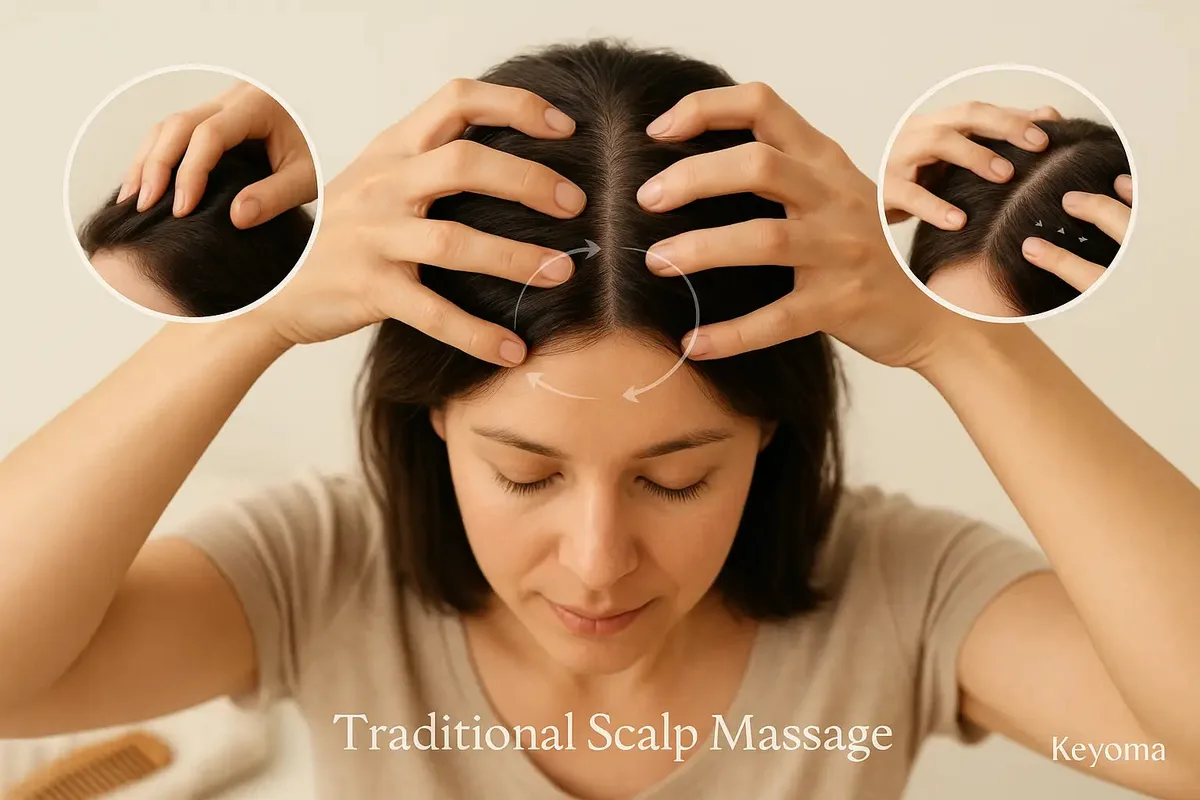
Image source: Bing (Web (fair-use with source credit))
Here is the exact sequence to follow.
- First wash with a gentle clarifying shampoo. Use a basic sulfate free formula. Massage it through your roots to dissolve surface oils and product buildup. Rinse it out completely.
- Apply the medicated shampoo to wet hair. Focus strictly on the scalp skin. Part your hair into sections so the liquid touches the roots directly. Avoid rubbing it through the ends of your hair.
- Massage with your fingertips. Never use your fingernails. Scratching causes micro tears that invite secondary bacterial infections. Gentle circular motions stimulate blood flow and spread the formula evenly.
- Set a timer for your specific ingredient. Use your phone. Do not guess the time while standing under warm water. Three minutes feels much longer than you think it does.
- Rinse until the water runs clear. Leftover residue from selenium sulfide or coal tar irritates the skin. Thorough rinsing prevents chemical buildup in your follicles.
- Condition only the mid lengths and ends. Keep conditioner far away from your scalp. Applying it to the roots undoes the medicated wash by sealing the pores again.
Following this routine takes about ten minutes total. The American Academy of Dermatology recommends consistent treatment schedules for persistent flaking. Doing this two to three times weekly yields the best results.
Daily washing with harsh actives usually backfires.
Adjusting the Clock: Fine Hair, Color-Treated Strands, and Sensitive Scalps
Standard wait times assume an average healthy scalp. Your specific hair type might require adjustments. If you have fine hair or chemically processed strands, proceed carefully.
Fine hair absorbs chemicals faster than thick coarse hair. A standard five minute ketoconazole wash might feel incredibly drying on thin strands. Start at the minimum recommended time for your active ingredient.
Color treated hair presents another challenge. Medicated shampoos strip artificial pigment rapidly. Salicylic acid and coal tar are especially aggressive on dye molecules.
Limit your contact time to prevent premature fading.
Sensitive scalps prone to contact dermatitis need shorter exposures too. If your skin turns red or burns after a standard wash, cut the time in half. You can gradually increase it as your scalp builds tolerance.
Winter months also change the equation. Dry indoor heating exacerbates flaking and compromises your moisture barrier. Using maximum contact times during cold weather often causes painful tightness.
Scale back slightly until spring humidity returns.
Hard water regions complicate things further. Mineral buildup interferes with active ingredient absorption. You might need slightly longer lathering times to compensate.
Consider a pre wash chelating treatment if your tap water is extremely hard.
Listen to your skin. Tightness, stinging, and increased redness mean you left the product on too long. Reduce your timer immediately.
Rebound flaking happens fast when you damage the stratum corneum.
Mistakes That Wreck Your Moisture Barrier and Cause Rebound Flaking
People make the same errors repeatedly with medicated washes. These mistakes don't just waste product. They actively damage your scalp biology and make dandruff worse.
Using a treatment daily is the biggest trap. Most active ingredients are meant for two to three applications per week. Overuse strips natural lipids completely.
Your scalp panics and produces excess sebum to compensate.
That excess oil feeds Malassezia furfur yeast. The yeast multiplies rapidly. You end up with more inflammation and heavier scaling than before you started.
Stick to the scheduled frequency.
Skipping the timer is another common failure. Guessing the duration always leads to rinsing too early. The medicine never penetrates deeply enough to halt desquamation.
Set an actual alarm on your phone.
Applying conditioner to the scalp ruins the treatment. Conditioner seals the hair cuticle and coats the skin. It traps dead cells underneath and blocks the next medicated wash from working.
Keep moisturizing products strictly on the hair ends.
Scratching with fingernails during application creates open wounds. Medicated ingredients sting intensely on broken skin. Those micro tears also allow bacteria to enter.
This leads to painful secondary infections requiring medical intervention.
Finally, expecting overnight results causes unnecessary frustration. Aggregate user reviews show most people quit after one week. Epidermal turnover cycles take roughly 28 days to reset.
Give your chosen active ingredient at least two to four weeks of consistent use.
Dandruff Shampoo Timing FAQs
Can I leave dandruff shampoo on overnight?
No, you should never leave rinse-off medicated shampoo on your scalp overnight. These formulas contain concentrated surfactants meant for short contact times. Leaving them on for hours causes severe chemical irritation and strips your moisture barrier completely.
Only use specific leave-on treatments designed for extended wear.
How long does it take for dandruff shampoo to start working?
Most active ingredients require two to four weeks of consistent use to show real results. Your epidermal turnover cycle takes roughly 28 days to fully reset. You might notice less itching within the first few washes.
But visible flaking usually takes several weeks to clear up entirely.
Should I use regular shampoo after dandruff shampoo?
You do not need a regular shampoo after using your medicated wash. Doing so just strips away the active ingredients before they finish working. If you prefer the double-cleanse method, use the regular gentle shampoo first.
Then apply the medicated formula as your second step.
What happens if I leave dandruff shampoo on too long?
Exceeding the recommended wait time damages your stratum corneum and triggers rebound flaking. Ingredients like salicylic acid or coal tar cause burning, redness, and excessive dryness when left on too long. Your scalp may also overproduce sebum to compensate for the lost moisture.
Always stick strictly to the timer.
Can I use dandruff shampoo every day?
Daily use is generally too harsh for most medicated formulas as of 2026. Washing with strong actives every single day destroys your natural lipid layer. This leads to increased inflammation and heavier scaling over time.
Limit treatments to two or three times weekly unless a dermatologist directs otherwise.
Does water temperature affect how dandruff shampoo works?
Yes, extremely hot water opens the hair cuticle and increases chemical absorption too rapidly. This makes strong actives feel much harsher on sensitive skin. Lukewarm water provides the best balance for effective cleansing without unnecessary irritation.
It helps the medication work evenly across your entire scalp.

Similar Posts