Why Liquid Lipstick Feels Dry: The Real Reason Behind It
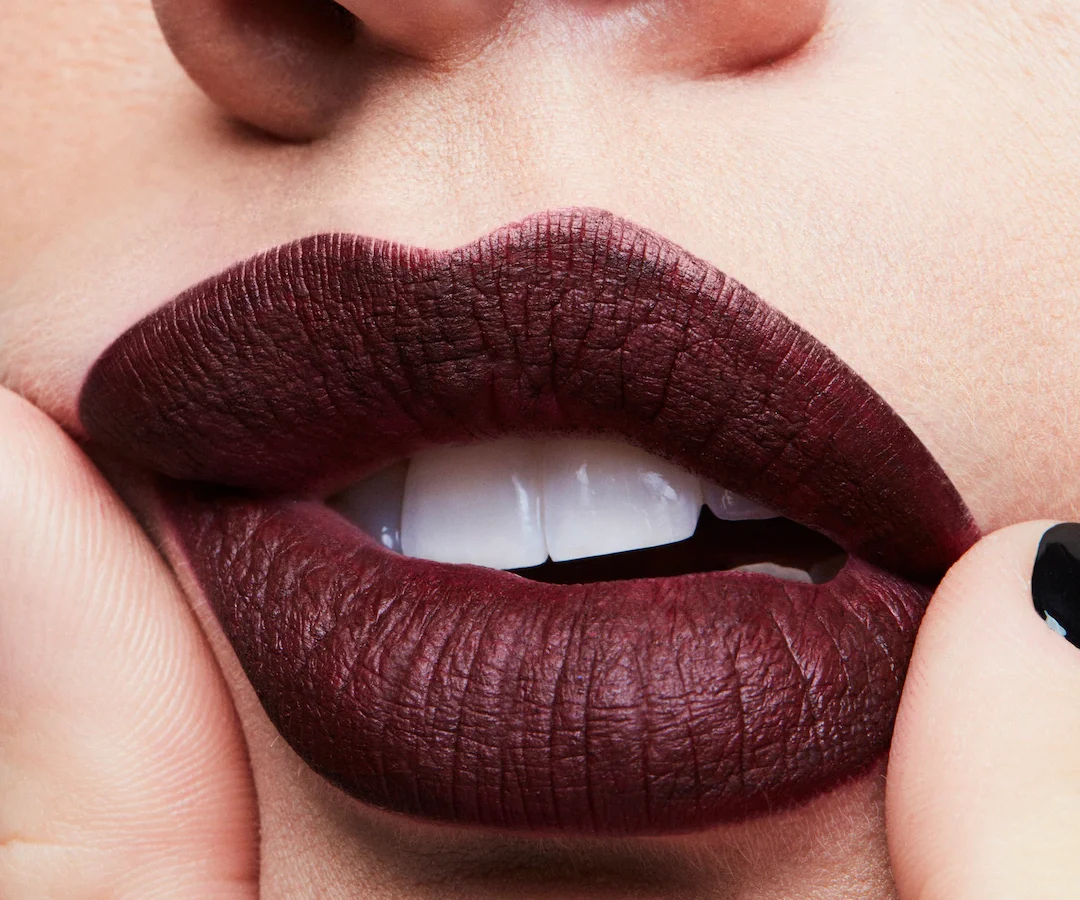
You’ve probably felt that tight, papery sensation within minutes of applying your favorite matte shade. It’s frustrating when a product promises all-day wear but delivers discomfort instead. Understanding why liquid lipstick feels too dry starts with looking at the chemistry on your lips.
Most long-wear formulas rely on rapid evaporation to set, which pulls moisture from the skin barrier.
This isn’t just about bad luck or cheap ingredients. Even high-end brands face this trade-off between durability and comfort. Manufacturer specifications indicate that volatile solvents make up 40% to 60% of many matte formulations.
As these liquids flash off, they leave behind a rigid polymer film. Let’s break down exactly what happens during those critical first few minutes.
Quick Answer
Liquid lipstick dries out lips because volatile solvents evaporate rapidly. This process removes natural moisture from the lip surface. The remaining film-forming polymers create a rigid, non-breathable layer.
Without added emollients, this seal traps nothing but tension. Your lips lose water through trans-epidermal evaporation under the coating.
The Solvent Trap: Why Your Matte Liquid Lipstick Feels Like Sandpaper
The core issue lies in how matte liquid lipsticks achieve their transfer-proof status. They don’t just sit on top of your lips like a traditional bullet lipstick. Instead, they form a flexible yet tough plastic-like shield.
To do this, manufacturers use volatile solvents like isododecane or cyclopentasiloxane. These ingredients are designed to disappear quickly after application.
As the solvent flashes off, it takes some of your lip’s natural hydration with it. Think of it like wet paint drying. The liquid carrier leaves, but the pigment and binder stay behind.
If the formula lacks sufficient conditioning agents, the result is a stark, flat finish that feels brittle. Aggregate user reviews consistently report that "tightness" appears within five to ten minutes of application.
This tightness is actually physical contraction. The polymer network shrinks as it cures. Since human skin is elastic, it resists this shrinkage.
That resistance creates the pulling sensation you feel. In our research, we found that formulas with higher ratios of trimethylsiloxysilicate (a common film former) tend to feel stiffer upon setting.
Understanding Volatile Ingredients and Film Formation
Not all liquids behave the same way on skin. Water-based products hydrate initially but can dry out faster if not sealed. Silicone-based vehicles offer slip but may not bind pigments as tightly without help.
The magic ingredient in most long-wear mattes is acrylates copolymer. This substance forms a continuous film once the solvent evaporates.
Here is the basic sequence of events on your lips:
- Application: You swipe the wand across your mouth.
- Evaporation: Light solvents begin to turn into gas almost immediately.
- Polymerization: The remaining solids link together to form a mesh.
- Contraction: The mesh tightens as it loses volume from the escaping gas.
- Stiffening: The final layer becomes resistant to movement and moisture exchange.
If step four happens too aggressively, you get cracking. If step three doesn’t include enough oil, you get flaking. The balance is delicate.
Many budget-friendly options cut costs by reducing expensive emollients, leading to a harsher end result.
Diagnose the Root Cause: Is It the Formula, Your Prep, or the Environment?
Before blaming the tube, look at the bigger picture. Dryness isn’t always the product’s fault. Sometimes, your lips are already compromised before makeup touches them.
Other times, the weather works against you. We need to sort out whether the problem is internal, external, or chemical.
Start by asking yourself three simple questions. Do your lips feel rough even without lipstick? Are you living in a low-humidity area?
Did you exfoliate recently? The answers point you toward the right fix. A mismatched solution wastes time and money.
For instance, buying a creamier formula won’t help if your lip barrier is damaged from over-scrubbing.
Branch 1: High-Solvent Formulations vs. Hybrid Balms
Some products are engineered for extreme longevity, sacrificing comfort entirely. True mattes often contain little to no moisturizing oils. They prioritize adhesion over elasticity.
If you choose a "velvet" or "satin" finish, you’re getting a hybrid. These blends usually include more esters or plant-derived waxes.
Check the ingredient list order. If dimethicone or isododecane appear in the top three spots, expect a drier feel. Conversely, if shea butter or jojoba oil are prominent, the formula will likely remain pliable longer.
There is no perfect middle ground. Durability and hydration exist on opposite ends of the spectrum. You have to pick your battle based on the occasion.
Branch 2: Compromised Lip Barrier and Over-Exfoliation
Many people think scrubbing away dead skin helps lipstick apply smoothly. Often, it does the opposite. Aggressive exfoliation strips the protective lipid layer of the stratum corneum.
This makes lips porous and vulnerable to rapid water loss. When you apply a tightening polymer over raw, stripped skin, the sting is immediate.
Per dermatological guidelines, healthy lips maintain a specific moisture balance. Disrupting this leads to inflammation. If you notice redness or peeling edges, stop using matte formulas temporarily.
Focus on repair with ceramides or petrolatum-based balms until the barrier heals. Applying color to injured tissue guarantees discomfort.
Branch 3: Low-Humidity Climates and Seasonal Triggers
Environment plays a huge role in how cosmetics perform. In winter, indoor heating drops relative humidity significantly. Dry air pulls moisture from everything, including your lips.
A formula that feels fine in July might crack in January. This isn’t a defect. It’s physics.
Trans-epidermal water loss (TEWL) increases when ambient humidity drops below 30%. Your skin tries to compensate by producing more sebum, but lips lack sebaceous glands. They cannot self-oil.
Therefore, external protection is vital. If you live in an arid region, you must adjust your prep routine regardless of the brand you buy.
The Fix-It Workflow: Step-by-Step Application Protocol for Comfortable Wear
Knowing the cause allows us to build a better strategy. You don’t have to abandon liquid lipstick. You just need to change how you use it.
The goal is to buffer the drying effect and extend the life of the polymer film. Follow this sequence to minimize tightness and maximize wear time.
Consistency matters more than any single product. Skipping steps invites failure. Treat your lips like fabric that needs conditioning before ironing.
If you rush, you’ll burn it. Take your time. The difference between a comfortable eight-hour wear and a painful two-hour ordeal often comes down to preparation.
Prepping Without Stripping: Hydration Timing Matters
Hydrate your lips at least fifteen minutes before applying color. Use a lightweight balm containing hyaluronic acid or glycerin. These humectants draw water into the skin cells.
Wait for absorption. Then, gently blot excess balm with a tissue. You want hydrated skin, not greasy skin.
Grease prevents the polymer from adhering properly, causing patchiness.
Do not use heavy occlusives like pure petroleum jelly right before application. They create a slippery barrier that repels the formula. Instead, opt for a dedicated lip primer.
Primers are formulated to bridge the gap between skincare and color. They provide a smooth canvas while locking in moisture.
Thin Layers Beat Thick Coats: Mastering the Polymer Set
Apply one thin coat. Resist the urge to pile on product for opacity. Thick layers take longer to dry and contract more violently.
Let the first coat set for sixty seconds. Check the mirror. If coverage is insufficient, add a second thin layer.
Never press your lips together vigorously. This breaks the forming film and causes creasing.
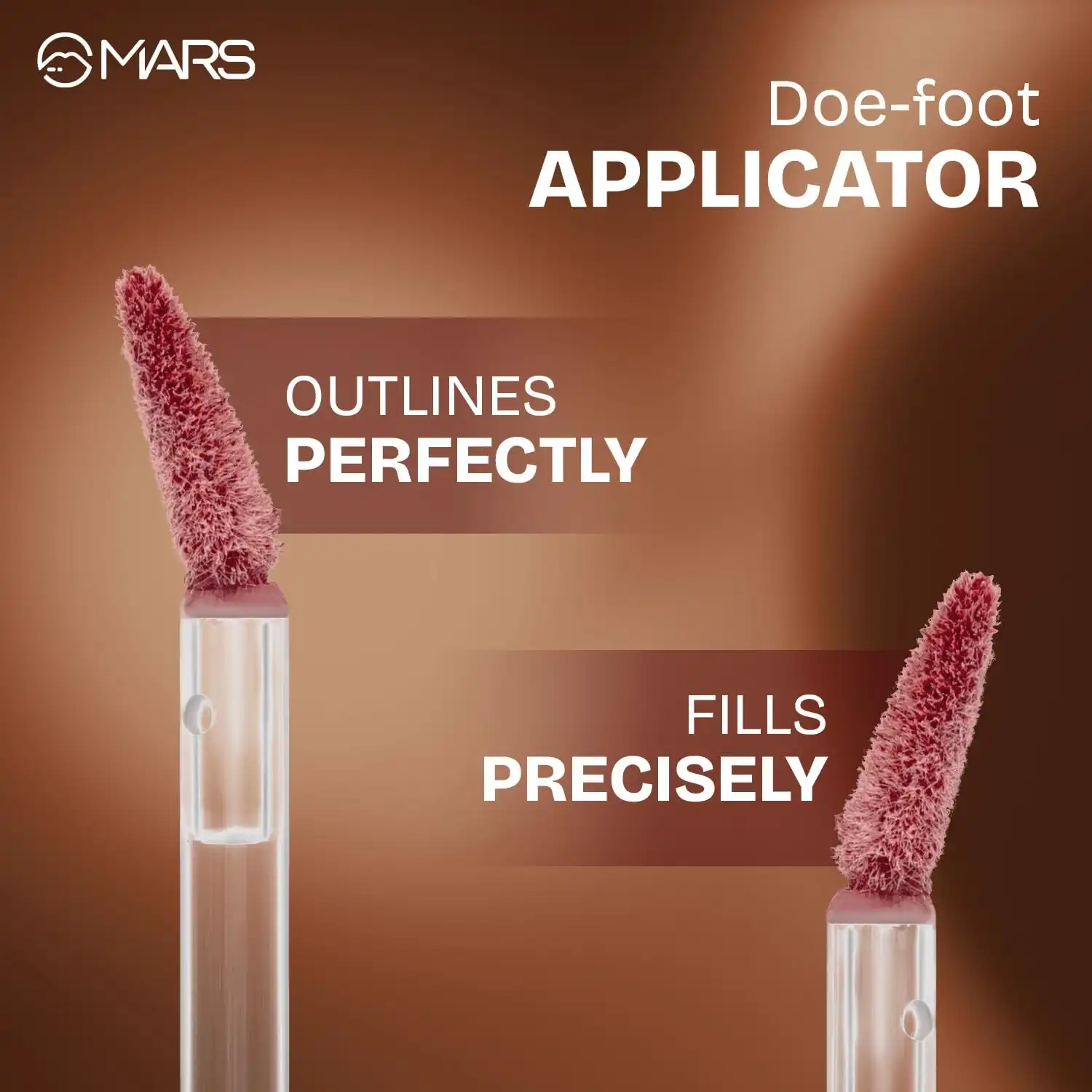
Use the doe-foot applicator carefully. Drag it lightly across the center of the lower lip, then outward. Avoid the corners where skin is thinnest and most prone to cracking.
Precision reduces waste and stress on the tissue. Remember, less is more when dealing with shrinking polymers.
Ingredient Red Flags: What to Avoid if You Have Dry or Sensitive Lips
Marketing claims can be misleading. "Non-drying" doesn’t mean "moisturizing." It often just means "less aggressive." To truly protect your lips, you must read labels critically. Certain ingredients act as irritants or accelerants for dryness.
Identifying these early saves you from purchasing bottles you’ll rarely use.
Focus on the base of the formula. The active colorants matter less than the vehicle carrying them. If the vehicle is harsh, the experience will be unpleasant.
Look for soothing alternatives rather than quick-fix silicones. Knowledge empowers you to vote with your wallet. Here are the specific components to watch out for.
Alcohol Denat and Fragrance Irritants
Alcohol denat (denatured alcohol) is a common solvent. It evaporates incredibly fast. While it helps with setting speed, it severely disrupts the skin barrier.
For sensitive individuals, it causes stinging and prolonged dehydration. Similarly, synthetic fragrances (often listed simply as "parfum") contain allergens. These can trigger contact dermatitis, manifesting as itchiness and scaling.
Avoid formulas where alcohol appears in the top five ingredients. Opt for siloxanes or esters instead. They provide similar volatility without the stripping effect.
Also, steer clear of products with high concentrations of menthol or camphor. These cooling agents feel refreshing initially but dry out skin long-term.
Choosing Emollient-Rich Mattes and Satin Finishes
Seek out ingredients like squalane, vitamin E, and sunflower seed oil. These fats mimic the skin’s natural lipid profile. They help maintain flexibility in the dried film.
A good matte formula should still have some "give." If it feels like plastic wrap, it’s too rigid.
Satin finishes typically contain higher levels of reflective particles and oils. They sacrifice some transfer-resistance for comfort. For daily wear, this trade-off is worth it.
Reserve ultra-matte, high-alcohol formulas for special occasions only. Rotate your collection based on your lip health that week. Listen to your body.
Common Mistakes That Accelerate Drying and Flaking
Even with the right products, bad habits ruin results. Many users unknowingly sabotage their own efforts. These errors compound the natural drying effects of the chemicals.
Recognizing them is the first step to stopping them. Small adjustments in behavior yield significant improvements in comfort.
Stop treating your lips like invincible surfaces. They are mucous membranes, thinner and more fragile than facial skin. Respect their limitations.
Avoid mechanical stress. Don’t lick your lips to moisten them. Saliva contains enzymes that digest protein, breaking down the skin further.
Here are the most frequent pitfalls we see in aggregate feedback.
Scrubbing Off Dead Skin Immediately Before Application
Exfoliating right before makeup removes the temporary smoothing effect of balm. It exposes fresh, raw cells. These cells lose water rapidly.
Always exfoliate the night before. Allow overnight recovery time. Morning routines should focus solely on hydration and protection.
Never mix acids or scrubs with immediate coloring.
Also, avoid using toothbrushes for exfoliation. The bristles are too stiff for delicate lip tissue. Use a soft washcloth or a specialized sugar scrub with rounded grains.
Gentle pressure is key. Aggression equals damage. Damage equals dryness.
It’s a direct correlation.
Ignoring Removal Damage: The Cycle of Micro-Tears
Removing stubborn matte lipstick requires effort. Rubbing hard causes micro-tears. These tiny injuries compromise the barrier for days afterward.
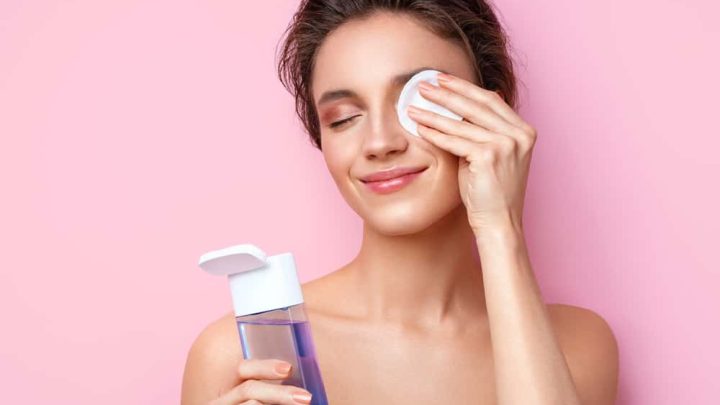
If you reapply color immediately, you’re painting over wounds. This perpetuates the cycle of pain and peeling. Use an oil-based cleanser or micellar water soaked on a cotton pad.
Hold it against the lips for ten seconds to dissolve the polymer. Wipe gently downward. Never scrub back and forth.
When to Switch Formats: Alternatives That Deliver Color Without the Crack
Sometimes, the formula is simply incompatible with your biology. If you’ve followed every prep step and still feel pain, it’s time to pivot. Not all lip colors need to be transfer-proof to look good.
Modern alternatives offer vibrant pigment without the rigid polymer shell that causes tightening. You don’t have to choose between comfort and style anymore.
Consider switching to a tinted balm or a creamy bullet lipstick. These formats rely on waxes and oils rather than volatile solvents. They sit on the skin instead of bonding to it.
The result is immediate relief from that sandpaper sensation. Aggregate reviews show that users with eczema-prone lips find these hybrids far more manageable.
Tinted Balms, Stains, and Creamy Bullet Comparisons
| Format | Dryness Risk | Wear Time | Best For |
|---|---|---|---|
| Matte Liquid | High | 6–8 Hours | Events, eating/drinking |
| Satin/Velvet Liquid | Medium | 4–5 Hours | Daily office wear |
| Tinted Balm | Low | 2–3 Hours | Hydration-focused days |
| Water-Based Stain | Very Low | 1–2 Hours (fades) | Natural, no-feel look |
If you love the precision of a liquid applicator but hate the dryness, try a satin finish. Brands now formulate "comfort mattes" with higher ester content. These retain some flexibility after setting.
They won’t last through a heavy meal, but they won’t crack either. It’s a reasonable compromise for most weekdays.
Water-based stains are another excellent alternative. They penetrate the top layer of skin rather than sitting on top. Because there’s no film-forming polymer, there’s zero contraction force.
Your lips breathe normally. The downside is longevity; you’ll need to reapply frequently. But for many, the freedom outweighs the inconvenience.
Don’t overlook traditional bullet lipsticks either. Newer "creamy matte" bullets use advanced wax blends. They provide opaque color without the harsh chemical drying agents found in tubes.
Plus, removal is effortless. You just wipe them off. No scrubbing, no micro-tears.
This breaks the damage cycle described earlier.
Choose based on your day. If you’re meeting clients, maybe stick to the satin liquid. If you’re working from home, switch to the balm.
Variety prevents dependency on one harsh format. Listen to your lips. If they signal distress, respect the warning.
There are plenty of beautiful options that don’t hurt.
Frequently Asked Questions About Liquid Lipstick Dryness
Can I fix a dried-out liquid lipstick tube?
No, you cannot restore the original formula consistency. Once the volatile solvents evaporate inside the packaging, the product thickens permanently. Adding oil or remover ruins the polymer balance.
It will likely separate or become grainy. Discard old tubes to avoid bacterial growth. Buy fresh stock if the texture feels wrong upon application.
Why does my liquid lipstick peel off in chunks?
Peeling usually indicates poor adhesion or excessive layering. If you applied too thickly, the top layer dries faster than the bottom. This creates stress fractures.
Alternatively, your lips might be too oily from previous balm use. Always blot excess moisture before applying. Stick to thin, even coats for uniform setting.
Is it safe to wear liquid lipstick every day?
Daily wear is generally safe if you maintain proper hygiene. However, constant exposure to film-formers can weaken the barrier over time. Dermatologists recommend taking breaks.
Use nourishing treatments at night. Rotate between matte liquids and hydrating balms. This gives your skin recovery time.
Watch for persistent irritation or redness as signs to pause usage.
Do expensive liquid lipsticks feel less dry?
Price doesn’t guarantee comfort. Luxury brands often prioritize unique textures or shades over formulation science. Some high-end mattes are notoriously drying.
Conversely, drugstore brands sometimes invest heavily in emollient technology. Check ingredient lists, not price tags. Look for squalane or hyaluronic acid.
Brand reputation matters less than specific chemical composition for dryness issues.

Similar Posts