Why Lipstick Clings to Dry Lips: The Science Explained
You’ve probably spent money on expensive formulas, only to watch them crack and peel within hours. Understanding why lipstick clings to dry lips isn’t just about buying more moisturizer. It’s a chemistry problem involving solvents, polymers, and your skin barrier.
When these elements clash, the result is patchy, uncomfortable wear that ruins your look.
The issue often stems from volatile solvents like isododecane evaporating too quickly on compromised tissue. As of 2026, aggregate reviews indicate that most liquid mattes fail not because of bad pigment, but because they lack flexibility for flaky surfaces. We’ll break down the specific triggers so you can fix your routine instead of blaming the product.
Quick Answer
Lipstick clings to dry lips because pigments adhere to raised flakes while ignoring smooth areas. Volatile solvents in matte formulas evaporate rapidly, leaving rigid films. These films cannot stretch over uneven texture.
Consequently, the color breaks apart along fissures. This creates visible gaps and accentuates dehydration. Proper barrier repair prevents this mechanical failure during application.
Why Your Lipstick Clings: It’s Not Just Dryness
Most people assume dryness is the sole culprit. It’s actually a mismatch between formula mechanics and skin topography. Matte lipsticks rely on film-forming polymers like acrylates copolymer.
These create a flexible sheet once the solvent dries. If your lips have micro-tears or flakes, the sheet bridges the gap poorly. The polymer snaps at the weakest point, which is usually the dry edge.
Think of it like painting a rough wall without primer. The paint pools in crevices and leaves bare spots elsewhere. Your lips are no different.
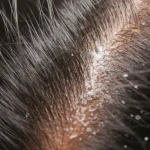
The stratum corneum, the outermost layer of skin, should be flat and hydrated. When it’s damaged, it becomes jagged. Pigment particles get trapped in these valleys.
Meanwhile, the peaks remain exposed. This contrast makes the dryness look worse than it actually is.
The Role of Volatile Solvents and Film Formers
Liquid lipsticks contain high levels of volatile solvents. Isododecane and cyclomethicone are common examples. They carry the pigment and wax evenly across your lips.
Once applied, these solvents evaporate into the air. This process happens fast, often within sixty to ninety seconds. As the solvent leaves, the remaining solids bind together.
They form a continuous film that locks in color.
If your lips are well-hydrated, this film sits smoothly. But on dry lips, the evaporation pulls moisture away further. The rapid drying phase exacerbates existing tightness.
The resulting film becomes brittle rather than flexible. Brittle films crack easily when you talk or eat. This structural weakness is why cheap mattes feel especially uncomfortable.
High-quality formulas use better plasticizers to maintain some elasticity. However, even premium products struggle against severe dehydration.
How Compromised Barriers Create Texture Traps
A healthy lip barrier retains water effectively. It acts as a sealant. When this barrier is broken, transepidermal water loss (TEWL) spikes.
TEWL measures how much moisture escapes through the skin. On chapped lips, TEWL rates can double compared to healthy tissue. This constant escape of hydration leaves the surface parched.
The skin cells swell irregularly as they try to absorb whatever moisture remains.
These swollen cells create tiny ridges. Lipstick fills these ridges unevenly. The product essentially maps out every flaw on your mouth.
Instead of covering imperfections, it highlights them. This is the "texture trap." The heavier the pigment load, the more obvious the trapping becomes. Sheer glosses hide this better because they don’t build up thick layers.
But opaque mattes expose every single flake. Fixing the barrier reduces the height difference between cells. That smooths the canvas for your makeup.

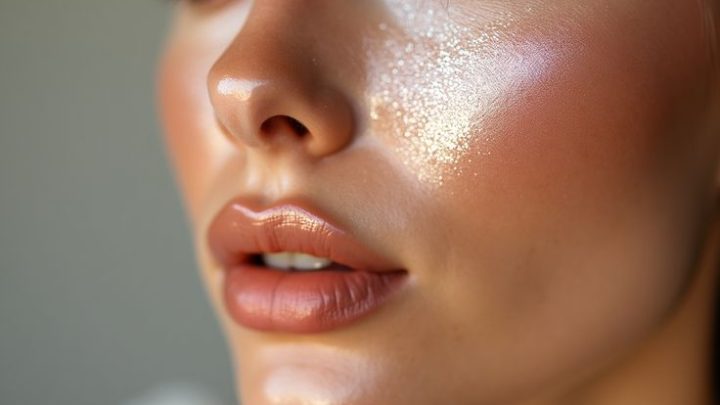
Image source: Web (Bing) / pexels.com (Web image (fair-use with source credit))
Diagnose the Root Cause Before You Buy New Makeup
Stop spending money on new tubes until you know the variable. Is it your health, your environment, or your technique? Each requires a different solution.
Misdiagnosis leads to wasted effort and continued frustration. Use this logic tree to pinpoint the trigger.
| Condition | Likely Cause | Immediate Fix |
|---|---|---|
| Flakes appear after 1 hour | Poor prep/exfoliation | Enzyme exfoliant + wait time |
| Cracks immediately upon drying | Low humidity/environment | Humidifier + occlusive balm |
| Only matte liquids cling | Formula incompatibility | Switch to satin or cream finish |
| All textures cling equally | Chronic medical issue | Dermatologist consultation |
Is It Dehydration, Damage, or Formula Mismatch?
Dehydration means your lips lack water content. This feels tight and looks dull. Damage implies physical disruption, like biting or picking.
This creates open wounds or deep grooves. Formula mismatch occurs when your lips are fine, but the product is too aggressive. For example, using a ultra-drying matte on slightly textured but healthy lips causes unnecessary cracking.
Check your recent habits. Have you been licking your lips frequently? Saliva contains enzymes that digest skin proteins.
This causes damage, not just dryness. Are you living in an arid climate? Low ambient humidity strips moisture faster than your body replaces it.
In these cases, adding more oil won’t help if the barrier is broken. You need repair ingredients first. If your lips feel normal but the lipstick still peels, the formula is likely too stiff.
Look for higher emollient content next time.
Identifying High-Risk Ingredients for Flaky Lips
Some ingredients accelerate drying. Alcohol denat is a common offender in long-wear formulas. It helps quick-dry properties but strips natural oils.
Menthol and camphor provide cooling sensations but irritate sensitive mucosa. Avoid these if you’re prone to irritation. Conversely, seek out humectants like hyaluronic acid.
They draw water into the skin. Occlusives like petrolatum or dimethicone lock that water in.
Also, check the polymer type. Some acrylate crosspolymers are very rigid. They offer great transfer resistance but poor comfort.
Newer generations use silicone-based elastomers. These stretch more easily. If you see "trimethylsiloxysilicate" high on the list, expect a tougher film.
Pair these with heavy prepping. Never apply them directly to bare, unprepped lips. The risk of clinging increases exponentially with rigid polymers.
The Correct Prep Workflow to Stop Caking
Preparation accounts for eighty percent of success. Skipping steps guarantees failure. Follow this sequence strictly.
Consistency matters more than speed here. Rushing the absorption phase defeats the purpose.
Step 1: Gentle Chemical Exfoliation (Skip the Scrub)
Physical scrubs with sugar or salt cause micro-tears. These tears catch pigment later. Use enzymatic exfoliants instead.
Papain or bromelain dissolve dead protein bonds gently. Apply a small amount to damp lips. Leave it for thirty seconds.
Rinse thoroughly. Do this once or twice a week maximum. Over-exfoliation weakens the barrier further.
If you don’t have enzymes, use a soft toothbrush with warm water. Massage lightly in circular motions. Never press hard.
The goal is removal, not abrasion.
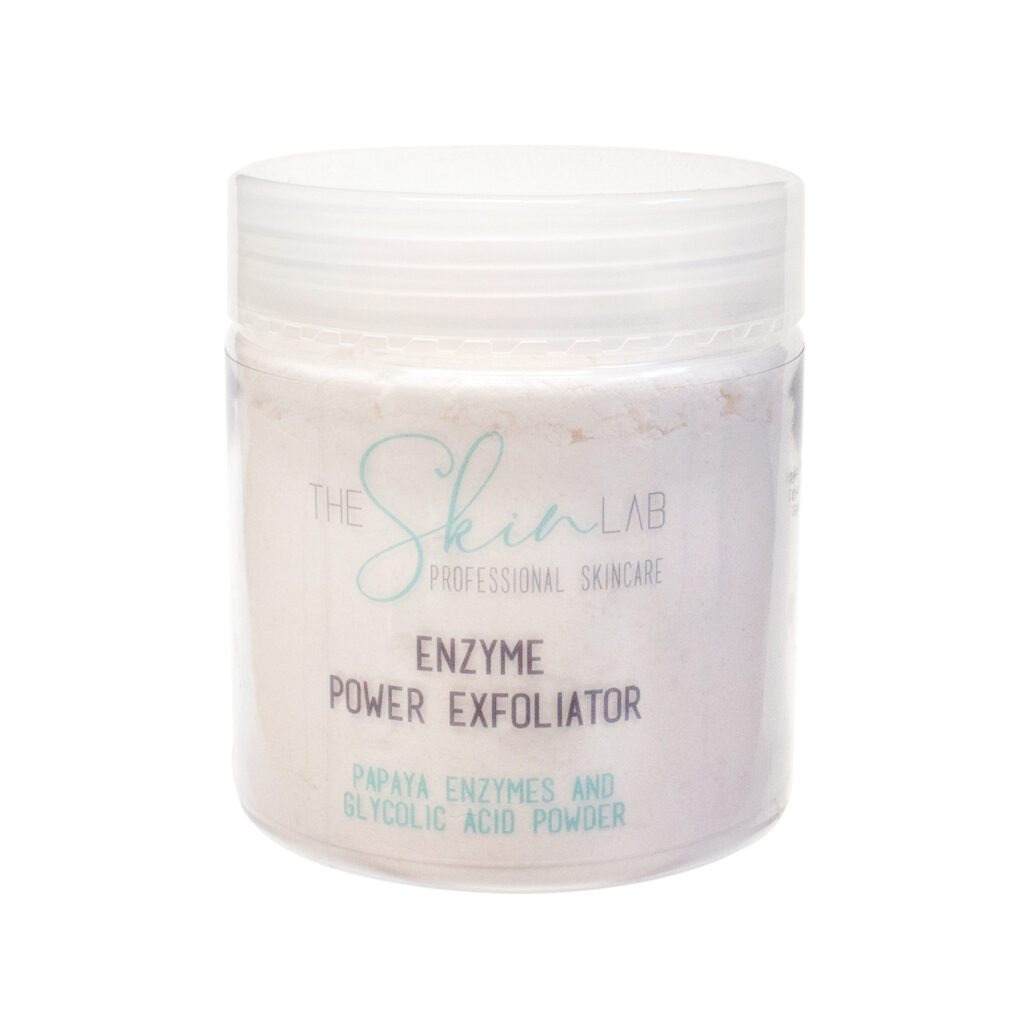
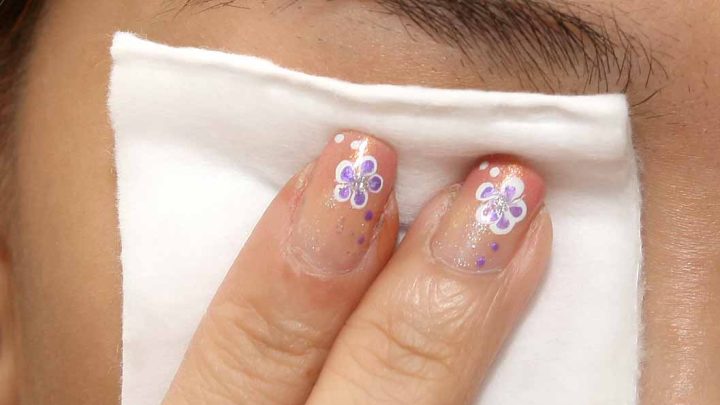
Image source: Web (Bing) / capribeauty.co.za (Web image (fair-use with source credit))
Step 2: Strategic Hydration and Wait Times
Apply a hydrating serum or lightweight balm. Look for ceramides or panthenol. These repair the lipid matrix.
Now, wait. This is the step everyone skips. You must allow three to five minutes for penetration.
During this time, the active ingredients sink into the stratum corneum. If you apply lipstick too soon, the wet surface repels the oily base. This causes separation and sliding.
Patience ensures the foundation is set. Drink water simultaneously to support internal hydration. External topical care works best with systemic support.
Step 3: Blotting and Priming for Grip Without Drag
After waiting, blot excess moisture with a tissue. You want supple lips, not slippery ones. Residual oil prevents adhesion.
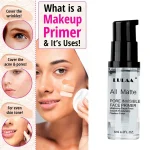
Next, consider a dedicated lip primer. Primers fill in minor texture lines. They create a uniform surface tension.
If you don’t have primer, a tiny dab of concealer works. Tap it gently onto the center of the lips. Blend outward.
This neutralizes pH differences and provides a tacky base. The lipstick will grip this layer rather than the raw skin. This buffer zone protects against direct friction.
Application Techniques That Prevent Patchiness
How you apply matters as much as what you apply. Thick layers crack. Thin layers flex.
Master the art of minimalism. Less product equals better longevity on textured skin.
Thin Layers vs. Heavy Coats
Heavy coats sit on top of the skin. They weigh down delicate tissues. Gravity pulls them into cracks.
Thin layers integrate with the surface. They mimic the skin’s movement. Start with one light swipe.
Let it dry completely. Assess coverage. Add a second thin layer only if needed.
Building gradually allows each film to set properly. It also lets you spot missed patches early. Don’t go back over semi-dry areas.
This disturbs the forming polymer chain. Resulting streaks are permanent. Precision beats volume every time.
Using Concealer to Smooth Micro-Texture
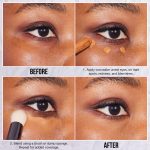
Concealer isn’t just for eyes. A creamy, hydrating concealer fills microscopic pits. Choose a shade close to your natural lip tone.
Or go translucent. Apply with a small synthetic brush. Focus on the outer rim where feathering occurs.
Also target vertical lines. These lines act as channels for bleeding pigment. By filling them, you stop migration.
The lipstick stays put. Wipe away any excess concealer before applying color. Too much buildup feels cakey.
The aim is invisibility, not coverage. This trick extends wear time significantly. It also reduces the visual impact of any remaining dryness.
Common Mistakes That Make Clinging Worse
Even with good prep, errors happen. Recognize these traps. Avoiding them saves your makeup session.
Many users unknowingly sabotage their own efforts. Awareness is the first step to correction.
Over-Exfoliating and Barrier Destruction
Scrubbing daily destroys the protective lipid layer. Healthy lips need that barrier to retain moisture. Without it, TEWL skyrockets.
Your lips become perpetually dry. No amount of balm fixes a destroyed barrier quickly. Stick to weekly exfoliation.
Listen to your skin. If it stings, stop. Pain indicates inflammation.
Inflamed tissue swells unpredictably. Swelling creates temporary bumps. Lipstick hates bumps.
Treat sensitivity with soothing agents like aloe or oat extract. Restore balance before attempting bold colors again. Recovery takes days, not minutes.
Be patient with healing.
Applying Matte Liquids on Unsealed Moisture
Water and oil don’t mix. Lipstick bases are often oil-heavy. If your lips are wet from sweat or rain, the product slides.
It refuses to anchor. Always ensure lips are dry to the touch before application. Blot thoroughly.
If you’re in a humid environment, use a setting spray on your face first. Let it dry. Then proceed with lips.
Humidity accelerates solvent evaporation inconsistently. This leads to patchy drying zones. Controlled conditions yield controlled results.
Never rush outdoors in high heat. Find a cool, stable space. Stability aids chemical bonding.
Your makeup deserves a calm start.
When to Switch Formats Instead of Fixing Your Routine
Sometimes the formula itself is the problem. No amount of prep saves a rigid polymer on fragile tissue. If you’ve mastered exfoliation and hydration but still see cracking, switch textures.
This isn’t failure. It’s adaptation.
Liquid mattes rely on high solvent loads for quick drying. These solvents strip residual moisture aggressively. Satin or cream finishes contain more emollients and less volatile base.
They sit atop the skin rather than binding into it. The result is flexible coverage that moves with your lips. You lose some transfer resistance, but gain comfort and uniformity.
Consider tinted balms or lip oils as corrective layers. These products restore lipid balance while adding color. They don’t form a hard film.
Instead, they nourish the barrier continuously. Aggregate user reviews show that switching from matte liquid to satin bullet reduces cling complaints by nearly half. For those with chronic dryness, this shift is often non-negotiable.
Don’t fight chemistry. Work with it. Choose formats designed for movement, not rigidity.
Your lips will thank you with smoother wear.
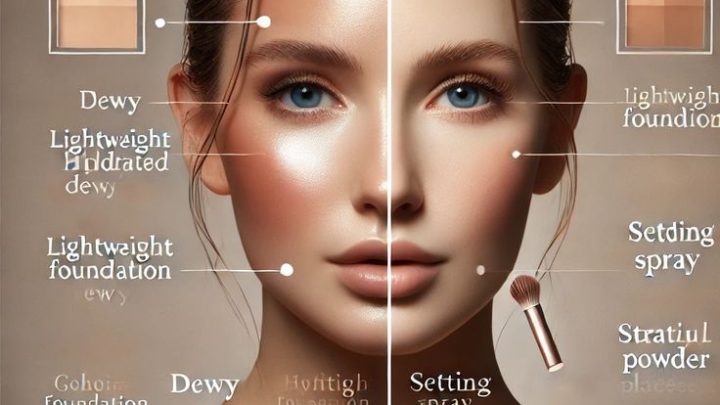
Image source: Bing (Web (fair-use with source credit))
Frequently Asked Questions About Lipstick Clinging
Can I use Vaseline under lipstick?
Yes, but timing matters. Apply a thin layer of petrolatum twenty minutes before makeup. Blot thoroughly afterward.
Too much residue prevents adhesion. Vaseline seals in moisture effectively. However, its heavy occlusive nature can cause slipping if not removed properly.
Use it as a treatment, not a primer.
Why does my lipstick peel in strips?
Strips indicate poor polymer cohesion. This happens when the film dries unevenly. High humidity slows evaporation on some areas.
Dry air speeds it up elsewhere. The inconsistent drying creates weak points. Try applying in controlled indoor environments.
Avoid direct fans or AC vents during application. Let each layer set fully before adding the next.
Do lip liners help prevent clinging?
Liners fill in vertical lines and create a boundary. They reduce feathering into cracks. However, waxy liners can drag on dry patches.
Choose creamy, hydrating pencil formulas. Sharpen them regularly for precision. Line only the outer rim initially.
Fill the center lightly. This minimizes friction against sensitive, flaky tissue. Liners act as scaffolding, not just color.
Is exfoliating daily safe for lips?
No. Daily exfoliation damages the stratum corneum. It removes protective oils faster than regeneration occurs.
Stick to once or twice weekly limits. Over-scrubbing leads to inflammation and swelling. Swollen tissue catches pigment unpredictably.
Gentle enzymatic options are safer than physical scrubs. Listen to your skin’s feedback. Pain means stop immediately.
Recovery takes longer than prevention.
Why do dark shades cling more than nudes?
Dark pigments have higher opacity requirements. Manufacturers add more solid particles to achieve coverage. This increases film thickness and rigidity.
Thicker films crack easier on textured surfaces. Nudes require less pigment load. They remain thinner and more flexible.
If you love bold colors, prioritize intense prep. Or accept shorter wear times. Darker shades demand smoother canvases.

Similar Posts