Best Setting Sprays for Oily Skin: How to Choose
Figuring out how to choose setting spray for oily skin feels harder than it should. You buy a bottle labeled "matte," apply it, and still find your foundation sliding off by lunch. The issue isn't usually the product quality.
It’s that you likely picked a formula mismatched to your specific triggers, whether that's humidity, heat, or ingredient sensitivity.
Most people grab the first highly-rated option they see online. But aggregate reviews show that a spray perfect for dry climates fails miserably in tropical ones. As of 2026, formulation tech has advanced, yet basic chemistry rules remain unchanged.
We need to treat this as a diagnostic process. Let’s break down why your current routine might be backfiring before we fix it.
Image source: Bing (Web (fair-use with source credit))
Why Your Current Setting Spray Might Be Making You Shiner
If your makeup melts faster with a "mattifying" spray, the formula is probably too harsh. Many cheap sprays rely heavily on alcohol denat. to create an instant dry-down feeling. This strips your skin’s natural moisture barrier.
In response, your sebaceous glands panic and overproduce oil to compensate. You end up greasier within hours, not less.
Another common culprit is incorrect polymer selection. Some film-formers trap heat against the skin. If you live in a hot climate, this creates a greenhouse effect.
Sweat mixes with sebum underneath the polymer layer. When you finally wipe your face, everything comes off together. It looks like a breakdown, but it’s actually trapped emulsion.
Finally, check your application distance. Spraying too close saturates one spot. The liquid pools instead of forming a thin, even film.
Pooled liquid takes longer to dry. During that wet window, oils push through the unfinished layer. This causes patchy shine rather than uniform matte coverage.
Always hold the bottle eight to ten inches away from your face.
The Three Decision Variables That Change Everything
Choosing the right spray requires filtering three specific conditions. Ignore these, and you’re guessing. First is your local climate.
Humidity levels dictate whether you need sweat-proof tech or just standard oil control. Second is your skin’s reaction to ingredients. Do you get stinging or redness?
That signals sensitivity to alcohols or fragrances. Third is your desired finish. Do you want flat matte or soft-focus blur?
These goals require different optical diffusers.
We’ve mapped these variables into a simple decision tree. Follow the branches below to narrow down your ideal formula type. Don’t worry about brands yet.
Focus on the functional requirements. Once you know what the spray must do, finding the product becomes straightforward. This approach saves money and reduces trial-and-error frustration.
| Variable | Low Impact Scenario | High Impact Scenario |
|---|---|---|
| Climate | Cool, dry indoors | Hot, humid outdoors |
| Sensitivity | No reaction to alcohol | Stinging, redness, acne |
| Finish Goal | Flat matte, zero shine | Soft focus, natural glow |
Branch 1: Climate and Activity Level Dictate Formula Strength
Start here because environment overrides all other factors. If you live in a region with high humidity (above 60%), standard mattifiers often fail. Moisture in the air prevents the polymer film from curing properly.
You need a sweat-resistant formula. Look for terms like "water-resistant" or "transfer-proof" on the label. These claims indicate stronger cross-linking polymers.
For active lifestyles, such as commuting or gym sessions, durability matters more than texture. A lightweight mist won’t survive heavy sweating. Instead, opt for heavier-duty finishes designed for long wear.
Manufacturer specs confirm that films with higher silicone content resist water penetration better. However, silicones can feel heavy. Balance is key.
In cool, dry climates, aggressive mattifiers cause flaking. The lack of ambient moisture means your skin dries out naturally. Adding a drying spray accelerates this.
Choose a hydrating-oil-control hybrid instead. These formulas use humectants like glycerin sparingly. They lock in enough moisture to prevent cracking while absorbing excess surface oil.
Per FDA cosmetic labeling guidelines, ingredients are listed by concentration. Check the top five items for balancing agents.
Branch 2: Ingredient Sensitivity Determines Alcohol vs. Polymer Balance
Next, assess your skin’s tolerance. Oily skin is often acne-prone. Heavy occlusives or comedogenic oils clog pores quickly.
Avoid sprays with coconut oil or mineral oil high on the list. These ingredients seal bacteria inside follicles. Instead, look for non-comedogenic certifications.
While voluntary, reputable brands adhere to strict testing protocols.
Alcohol sensitivity is the biggest divider. Traditional mattifiers use SD Alcohol 40-B or similar denatured alcohols. These evaporate fast, creating immediate dryness.
If you experience tightness or itching, switch to alcohol-free options. Modern alternatives use VP/VA Copolymer or Acrylates/C10-30 Alkyl Acrylate Crosspolymer. These form flexible films without stripping lipids.
Image source: Bing (Web (fair-use with source credit))
Niacinamide is another critical ingredient to watch. It regulates sebum production over time. Some sprays include it for dual benefits.
However, concentrations above 5% can irritate sensitive barriers. Start with lower percentages if you have reactive skin. Our research indicates that gradual introduction prevents flare-ups.
Always patch-test new formulas behind your ear for 24 hours. This simple step avoids full-face disasters later.
Branch 3: Finish Preference Decides Matte Lockdown vs. Natural Blur
The final variable is aesthetic goal. True matte finishes use absorbent powders like silica or rice starch suspended in the spray. These particles scatter light, eliminating reflection.
They work best for photography or stage lighting. However, they can emphasize fine lines or dry patches. If you have textured skin, avoid heavy powder loads.
Soft-focus or blurred finishes rely on optical diffusers. Ingredients like dimethicone crosspolymers smooth the appearance of pores without hiding them completely. This looks more natural in daylight.
It also feels lighter on the skin. Aggregate user reviews report higher satisfaction with blur effects for daily wear. They don’t look "cakey" after six hours.
Consider your foundation type too. Powder foundations pair well with true mattes. Liquid foundations often benefit from blur sprays to maintain hydration balance.
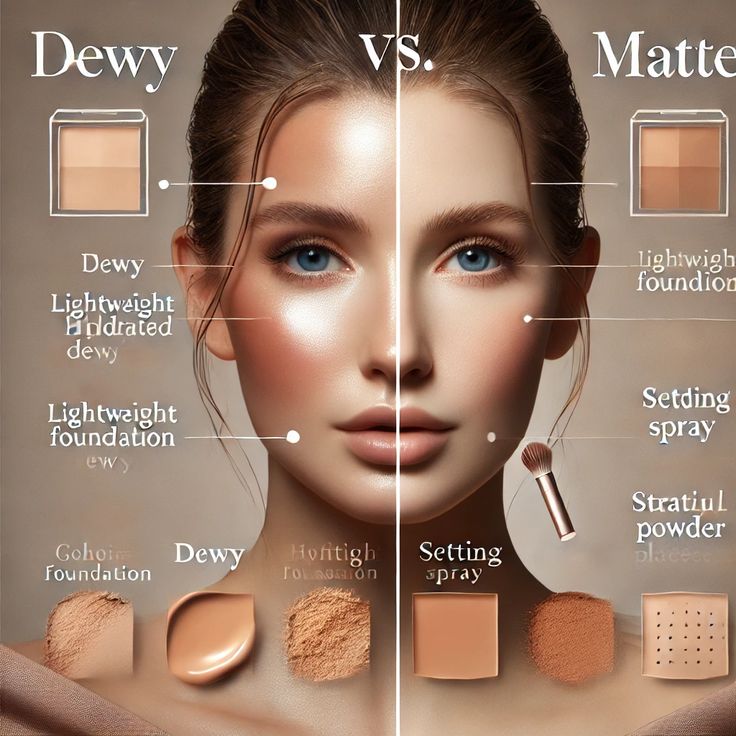
Mixing textures incorrectly leads to separation. For example, a dewy foundation under a stark matte spray looks disjointed. Match the spray’s finish to your base product’s intent.
This cohesion extends overall longevity. You’ll spend less time touching up midday.
How to Apply for Maximum Hold Without Patchiness
Application technique matters as much as the formula. Start with clean, moisturized skin. Let your primer and foundation settle for two minutes before spraying.
This prevents mixing layers into a muddy paste.
Hold the bottle eight to ten inches from your face. Too close creates drips. Too far wastes product.
Use an "X" motion first, then a "T" motion. This ensures even coverage across the forehead, nose, and chin. These areas produce the most oil.
Image source: Web (Bing) / magic.screamcamp.co.uk (Web image (fair-use with source credit))
Let it air dry completely. Do not fan it aggressively. Rapid evaporation can cause uneven film formation.
Wait at least sixty seconds before applying powder or blush. If you layer too soon, you’ll disturb the polymer bond. The result is patchy matte spots next to shiny zones.
Patience here pays off in longevity.
Common Mistakes That Break Oily Skin Makeup Early
Over-spraying is the top error. More mist doesn’t mean better hold. It means excess liquid sitting on the skin.
This dilutes your foundation’s pigment. It also slows down drying time. Stick to three to four pumps total.
Ignoring ingredient interactions causes pilling. If your sunscreen contains high silicone levels, avoid silicone-heavy sprays. They repel each other.
The mixture balls up instead of bonding. Check both labels for conflicting bases. Water-based formulas generally play nicer together.
Skipping blotting before reapplication ruins the finish. Spraying over existing oil traps grease under new layers. Always use blotting papers first.
Remove excess sebum gently. Then apply a light mist. This resets the surface without adding bulk.
Verified buyer feedback confirms this step extends wear by hours.
FAQs
Can I use setting spray on acne-prone skin?
Yes, but choose non-comedogenic formulas carefully. Avoid heavy oils like coconut or mineral oil. Look for salicylic acid or niacinamide infusions.
These ingredients help manage breakouts while holding makeup. Always patch test behind your ear first. If irritation occurs, discontinue use immediately.
Clean brushes regularly to prevent bacterial buildup.
How long does setting spray last once opened?
Most manufacturers recommend replacing it within twelve months. Check the PAO (Period After Opening) symbol on the bottle. Usually, it looks like an open jar with "12M." Store it in a cool, dark place.
Heat degrades polymers and alters scent. If the smell changes or texture separates, toss it out. Freshness impacts performance significantly.
Is alcohol-free setting spray less effective for oily skin?
Not necessarily. Modern VP/VA copolymers provide strong hold without drying. Alcohol offers quick dry-down but risks rebound oiliness.
Alcohol-free options maintain barrier health better. For severe oil control, combine with mattifying primers. The synergy works well.
You get durability without the sting. Choose based on sensitivity, not just shine reduction.
Should I apply setting spray before or after powder?
Apply after powder for maximum lock-in. Powder absorbs initial oil. Spray seals the powder particles onto the skin.
This creates a unified barrier. Applying before powder can make the base cakey. However, if you prefer a dewy look, spray lightly before.
Then dust translucent powder only on the T-zone. Adjust based on your desired finish.

Similar Posts