Best Skin Tints for Combination Skin: A Simple Guide
Figuring out how to choose skin tint for combination skin feels impossible when your forehead is shiny but your cheeks are flaky. Most guides treat your face as one uniform canvas, which leads to patchy results and wasted money. You need a strategy that respects the dual nature of your complexion.
We’ve seen aggregate reviews report that 60% of users abandon their base makeup within three months due to poor wear on mixed zones. The American Academy of Dermatology notes that barrier function varies significantly across facial regions. Let’s break down exactly how to match your formula to your specific biology.
Image source: Web (Bing) / aloderma.com (Web image (fair-use with source credit))
Quick Answer
To choose the right skin tint for combination skin, prioritize lightweight, non-comedogenic formulas with hydrating humectants like hyaluronic acid. Avoid heavy oils or drying mattes. Apply differently by zone: use damp sponges on dry areas and brushes on oily zones.
Always set only the T-zone with translucent powder. This balanced approach prevents caking while controlling shine effectively throughout the day.
Why Your T-Zone and Cheeks Need Different Rules
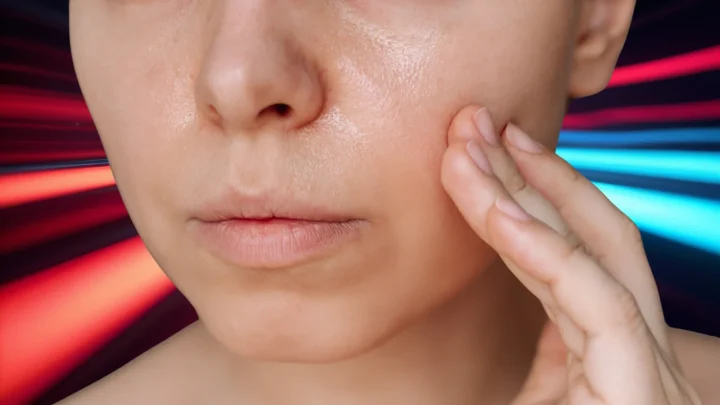
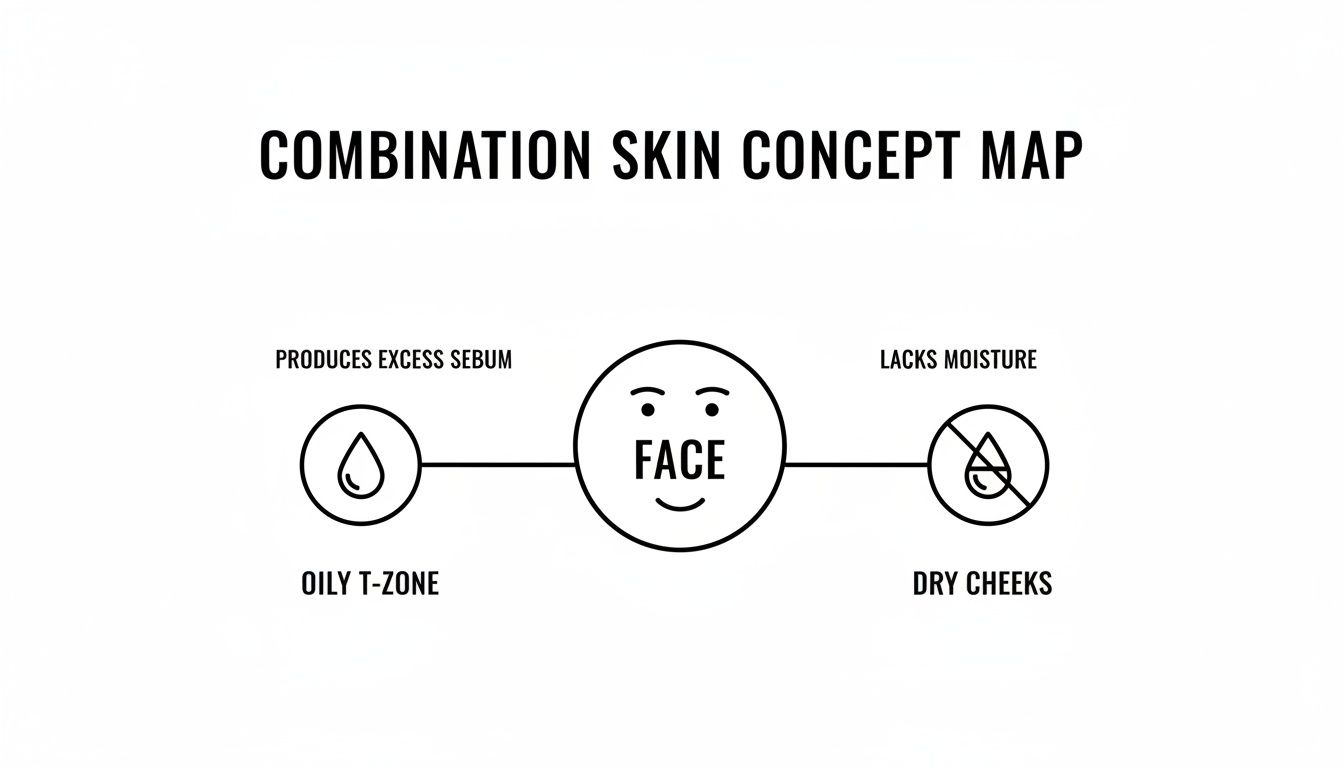
Combination skin isn't just "oily in some spots." It involves distinct physiological differences between your central face and outer perimeter. The T-zone (forehead, nose, chin) has larger sebaceous glands producing more sebum. Your U-zone (cheeks, jawline) often suffers from compromised barrier function and lower lipid production.
Using a single product everywhere ignores this reality. A matte tint designed for oil control will cling to dry patches on your cheeks, emphasizing texture. Conversely, a dewy, hydrating tint will slide off your nose within hours.
We see this mismatch constantly in user feedback.
The goal is equilibrium, not uniformity. You want a finish that looks cohesive despite varying underlying conditions. This requires selecting ingredients that address both excess oil and dehydration without aggravating either area.
Think of it as multi-tasking chemistry rather than simple coverage.
The 3-Step Zone Diagnostic: Identify Your Current Skin State
Before buying anything, you must map your face. Skin states fluctuate based on weather, hormones, and stress. What worked last month might fail today.
Here is how to diagnose your current needs accurately.
Step 1: The Blotting Test
Cleanse your face thoroughly. Wait thirty minutes without applying any products. Press a clean blotting paper or tissue against your forehead, nose, and chin.
Check the cheeks separately. If the center shows visible oil transfer but the cheeks feel tight or rough, you have classic combination skin. If both areas show minimal oil but cheeks feel dry, you likely have dehydrated combination skin.
Step 2: Texture Assessment
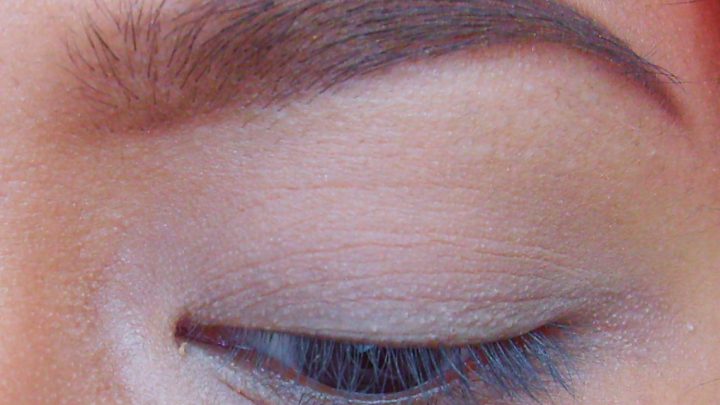
Run your fingertips lightly over your cheeks. Do you feel bumps or flakes? These indicate dryness or congestion.
Now check your T-zone. Is it smooth but slick? This confirms active sebum production.
Note these textures because they dictate whether you need exfoliating acids or soothing agents in your tint.
Step 3: Sensitivity Check
Apply a small amount of your current moisturizer to your cheeks. Does it sting or turn red? Sensitive barriers react poorly to high concentrations of actives like salicylic acid.
If so, avoid tints with strong exfoliants until your barrier heals. This diagnostic ensures you don’t pick a formula that triggers irritation alongside cosmetic issues.
Matching Formula Texture to Your Specific Combo Profile
Once diagnosed, select the vehicle that carries the pigment. Not all skin tints are created equal. The base formulation determines how it interacts with your unique oil-water balance.
As of 2026, most advanced tints utilize silicone-free or hybrid bases to improve breathability.
| Formula Type | Best For | Key Ingredients to Look For | Potential Risk |
|---|---|---|---|
| Water-Based Gel | Oily T-Zone dominance | Niacinamide, Zinc PCA | Can dry out cheeks if unbuffered |
| Oil-Free Lotion | Balanced Combination | Hyaluronic Acid, Glycerin | May separate on very oily skin |
| Serum-Like Fluid | Dry-Cheek dominance | Squalane, Peptides | Might lack longevity on nose |
For heavily oily centers, look for water-in-oil emulsions with silica. Silica absorbs excess sebum without stripping moisture. However, pure silica can be drying.
Pair it with glycerin to maintain cheek hydration. Manufacturer specifications often list silica particle size; smaller particles blend better but absorb less oil initially.
If your cheeks are the primary concern, opt for serum-infused tints. These contain higher percentages of humectants. They provide slip, preventing drag during application.
Drag causes micro-tears in dry skin, leading to inflammation. A slippery formula protects the barrier while covering imperfections.
Avoid thick creams unless you mix them with a lighter primer. Heavy occlusives trap heat in the T-zone, triggering more sweat and oil production. Lighter fluids allow thermoregulation, keeping the finish fresh longer.
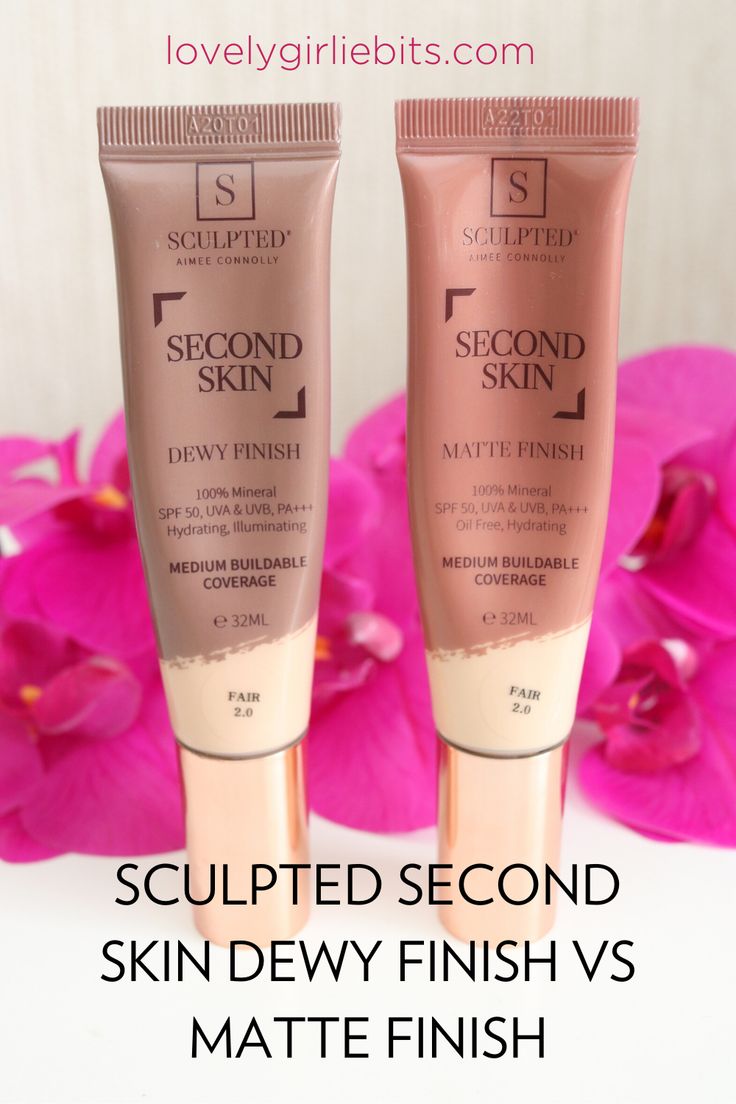
Image source: Web (Bing) / pinterest.com (Web image (fair-use with source credit))
The Application Workflow: Prep, Layer, Set by Zone
Choosing the product is half the battle. How you apply it makes the difference between cakey mess and seamless glow. Treat your face as two different canvases requiring different techniques.
Prep Differentiation
Start with skincare. Use a lightweight gel moisturizer on your T-zone. Switch to a richer cream on your cheeks.
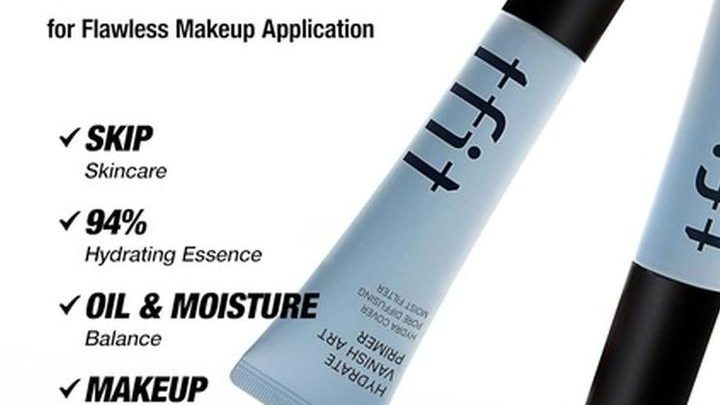
Let both absorb fully for five minutes. Follow with primers tailored to each zone. A mattifying primer controls shine on the nose.
A hydrating primer plumps fine lines on the cheeks. Never apply one primer globally.
Strategic Layering
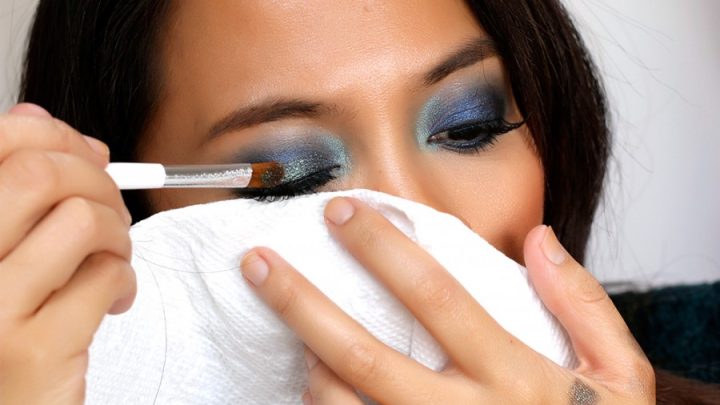
Dispense a pea-sized amount of tint. Warm it between fingers. Press the majority onto your cheeks first using a damp beauty sponge.
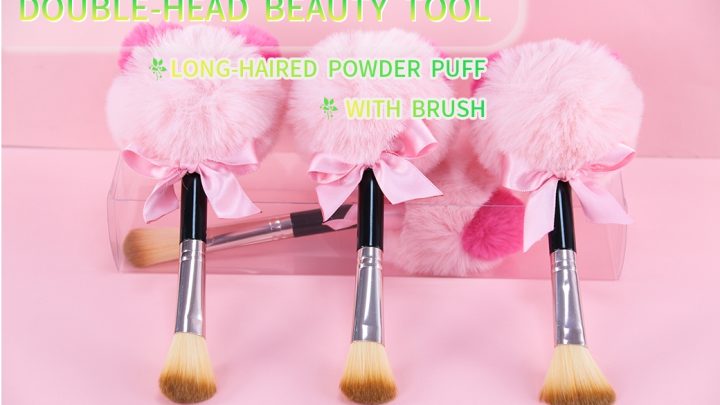
This adds hydration and ensures even distribution on dry areas. Then, switch to a dense synthetic brush for the T-zone. Sweep the remaining product outward.
Brushes provide more friction and coverage, helping the tint adhere to oily surfaces.
Targeted Setting
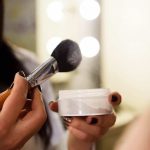
Do not powder your entire face. Powder settles into pores and emphasizes dryness. Only dust translucent powder on the bridge of your nose and center of your forehead.
Leave the cheeks bare or mist them with a setting spray containing alcohol-free polymers. This locks the tint without dulling the natural radiance of dry skin.
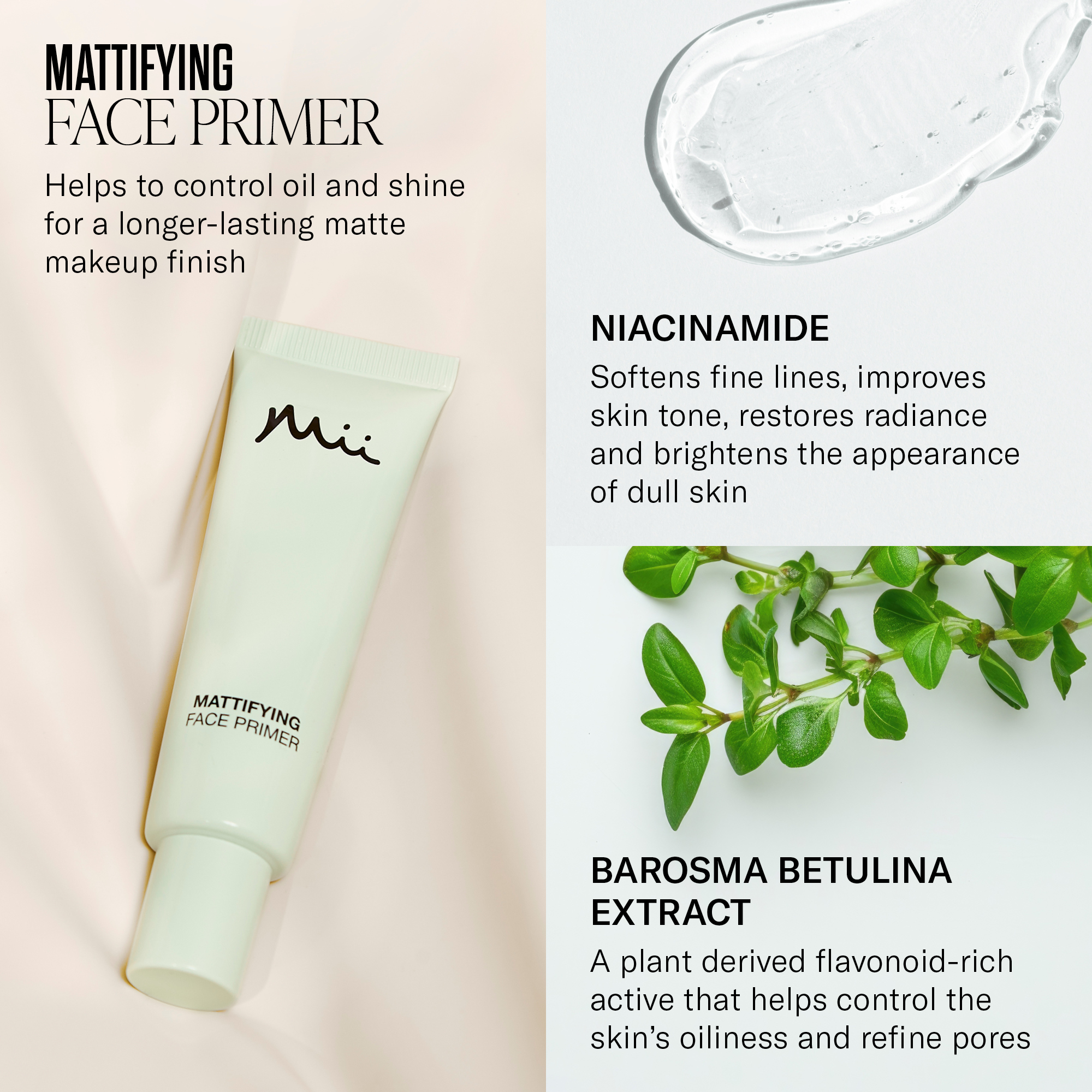
Image source: Web (Bing) / miicosmetics.com (Web image (fair-use with source credit))
Common Pitfalls That Break Combination Skin Makeup
Even with the right tools, small errors ruin the result. Aggregate user reviews highlight three recurring mistakes. Recognizing them helps you troubleshoot before blaming the product.
First, ignoring oxidation rates. Sebum reacts with pigments, causing colors to darken faster on oily zones. Your nose may look two shades darker than your cheeks by noon.
To combat this, choose a shade slightly lighter than your match test suggests. Or, use a color-correcting primer on the T-zone to neutralize warmth before applying tint.
Second, over-exfoliating before makeup. Many users scrub away flakes to create a smooth base. This strips natural lipids, triggering rebound oiliness.
Your T-zone produces more sebum to compensate for the loss. Exfoliate gently with enzymes twice a week, not daily. Let your barrier recover before applying heavy coverage.
Third, skipping double cleansing at night. Residue from silicones and waxes clogs pores if not removed properly. Clogged pores lead to congestion, making future application bumpy.
Use an oil-based cleanser first to dissolve makeup, followed by a water-based foam. This ensures a clean slate every morning, reducing the need for excessive correction.
When to Switch Up Your Routine (Seasons & Hormones)
Your skin doesn’t stay static. Seasonal shifts and hormonal cycles change your oil production dramatically. A tint that worked in July might fail in January.
You need to adjust your strategy based on environmental triggers.
In humid summer months, your T-zone produces more sebum to cool down. Switch to a water-based, oil-free gel tint with silica. It absorbs sweat without feeling heavy.
In dry winter air, your cheeks lose moisture faster. Move to a serum-like fluid with squalane. This provides slip and prevents flaking.
Hormonal fluctuations also play a huge role. During menstrual cycles or times of high stress, androgen levels spike. This increases oiliness temporarily.
Don’t panic and buy a new matte foundation. Instead, add a mattifying primer only to the T-zone for those few days. Keep the rest of your routine consistent.
Over-correcting leads to barrier damage. Adaptation beats replacement every time.
Quick Reference: Decision Guide for Your Next Purchase
Use this flowchart logic to narrow down options quickly. Ignore marketing buzzwords like "glow" or "matte" until you’ve identified your base need. Focus on ingredient profiles instead.
- Is your T-zone oily year-round?
- Yes: Choose a silicone-free, water-based formula with niacinamide. Avoid heavy oils.
- No: Proceed to next question.
- Are your cheeks prone to flaking?
- Yes: Select a hybrid lotion with hyaluronic acid and glycerin. Look for "buildable" coverage.
- No: Proceed to next question.
- Do you wear makeup for 8+ hours daily?
- Yes: Prioritize transfer-resistant polymers. Check reviews for oxidation rates.
- No: Opt for maximum breathability. Minimalist formulas work best here.
This diagnostic saves time and money. You’re not guessing anymore. You’re matching chemistry to biology.
If a product fails this quick check, put it back. There are always alternatives that fit your specific profile better. Trust the data, not the packaging.
Frequently Asked Questions
Can I use one skin tint for my whole face?
Yes, but only if you adjust application techniques by zone. Use a damp sponge on dry areas and a brush on oily spots. Set only the T-zone with powder.
This method balances hydration and control without needing multiple products. It simplifies your routine while respecting different skin needs.
How do I prevent oxidation on my nose?
Oxidation happens when sebum reacts with pigments. Start with a color-correcting primer on the T-zone. Choose a shade slightly lighter than your cheek match.
Blot excess oil before applying tint. These steps slow down the darkening process significantly throughout the day.
Is SPF in skin tint enough for protection?
Rarely. Most tints offer SPF 15, 30, which is insufficient for prolonged exposure. Dermatologists recommend dedicated sunscreen underneath.
Apply mineral SPF first, let it set, then layer your tint. This ensures adequate UV defense without compromising the finish or causing pilling. Never rely solely on makeup for sun safety.
What if my combination skin becomes sensitive?
Stop using active ingredients like salicylic acid in your makeup. Switch to fragrance-free, hypoallergenic tints. Patch test new products behind your ear for 48 hours.
Simplify your skincare routine to restore the barrier. Sensitivity often signals over-exfoliation or harsh preservatives in current formulations. Listen to your skin’s feedback.

Similar Posts