Best Primers for Oily Skin: How to Choose the Right One
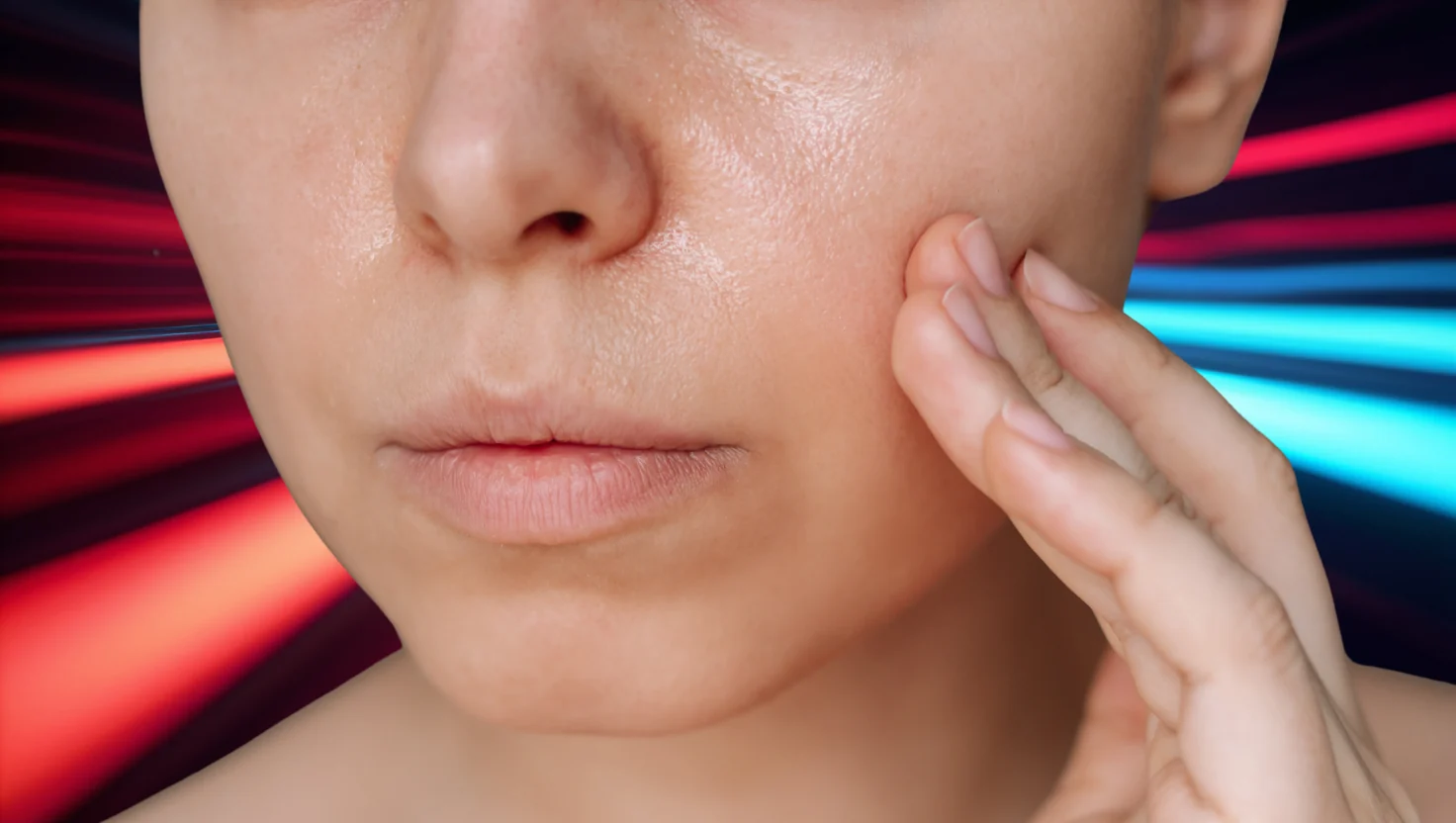
Figuring out how to choose primer for oily skin often feels like guesswork. You buy a "mattifying" formula, apply it, and two hours later your T-zone is shining again. Or worse, your foundation slides off entirely.
The problem isn't usually the product quality. It’s that you’re treating all oily skin the same way.
Sebum production varies wildly based on hydration levels and climate. A primer that works in dry Arizona might fail miserably in humid Miami. We’ve seen countless users blame their foundation when the real culprit was an incompatible base layer.
Getting this right saves money and prevents breakouts. Let’s look at why one-size-fits-all advice fails here.
Quick Answer
To choose the right primer for oily skin, first identify if your skin is truly oily or dehydrated-oily. Use silicone-based primers with dimethicone for large pores and smooth texture. Choose water-based gel primers with niacinamide for active acne or sensitive skin.
Avoid heavy oils and high-alcohol formulas that trigger rebound sebum production. Always patch-test new products before full-face application.
Image source: Web (Bing) / lumaflex.com.au (Web image (fair-use with source credit))
Start Here: Diagnose Your Oil Type Before You Buy
Most people assume shiny equals oily. That’s a dangerous oversimplification. You need to distinguish between true seborrhea and dehydration-induced shine.
True oily skin produces excess sebum globally. Your entire face feels slick within an hour of washing. Dehydrated-oily skin, however, is tight and flaky but still shines in the T-zone.
This happens because your barrier is compromised.
If you have dehydrated-oily skin, stripping it further makes things worse. Your skin panics and produces more oil to compensate. Aggregate user reviews consistently highlight this cycle.
Users report worsening breakouts after using harsh mattifiers. Instead, they need lightweight hydration. Look for humectants like glycerin or hyaluronic acid in your primer.
These ingredients pull water into the skin without adding grease.
For true seborrheic skin, the goal is control and adhesion. You want ingredients that absorb excess oil physically. Silica spheroids or nylon-12 are excellent choices.
They act like microscopic sponges. Check the ingredient list for these specific polymers. If your skin stings after cleansing, lean toward hydrating options.
If it feels greasy immediately, opt for oil-absorbing textures. Misdiagnosing this leads to wasted purchases.
The Difference Between Seborrheic Oily and Dehydrated-Oily Skin
Here’s a quick self-check. Wash your face with a gentle cleanser. Wait 30 minutes without applying anything.
Touch your cheeks. Do they feel tight? Yes?
You likely have dehydrated-oily skin. Feel normal? Check your nose and forehead.
Are they visibly shiny? Yes? You have balanced-to-oily skin.
Shiny everywhere including cheeks? That’s seborrheic oily.
This distinction dictates your primer choice. Dehydrated skin needs moisture retention. Seborrheic skin needs sebum absorption.
One size does not fit all.
The Primer Decision Tree: Match Formula to Function
Once you know your skin type, pick the formula. Silicone-based primers are the gold standard for smoothing texture. They contain dimethicone or cyclopentasiloxane.
These create a breathable film over the skin. They fill in pores and fine lines effectively. However, they can trap heat if applied too thickly.
Use them if pore visibility is your main concern.
Water-based or gel primers suit acne-prone and sensitive skin better. They often feature niacinamide or salicylic acid. Niacinamide regulates sebum production over time.
Salicylic acid keeps pores clear. These formulas feel lighter and don’t slide off easily. They lack the blurring power of silicones though.
Choose them if you struggle with breakouts or redness.
Image source: Web (Bing) / pinterest.com (Web image (fair-use with source credit))
Ingredient Spotlights: Niacinamide, Salicylic Acid, and Silica Spheroids
Let’s decode the labels. Silica spheroids provide immediate matte effects. They diffuse light to hide imperfections.
Niacinamide offers long-term benefits. It strengthens the barrier and reduces oiliness. Per FDA cosmetic guidelines, claims must be substantiated.
Look for concentrations between 2% and 5%. Higher amounts can irritate sensitive skin.
Salicylic acid is a beta-hydroxy acid. It penetrates oil-filled pores. It exfoliates internally to prevent clogs.
Use it cautiously if you have rosacea. Zinc PCA helps regulate sebum production naturally. It’s gentler than acids.
Combine these ingredients strategically. Don’t overload your skin with actives. One or two key ingredients per primer suffice.
Quick Reference Table: Best Primer Types for Specific Skin Conditions
| Skin Condition | Recommended Primer Type | Key Ingredients to Look For | Avoid |
|---|---|---|---|
| Large Pores / Texture | Silicone-Based | Dimethicone, Silica Spheroids | Heavy Oils |
| Active Acne / Redness | Water/Gel-Based | Niacinamide, Salicylic Acid, Zinc | Fragrance, Alcohol Denat. |
| Dehydrated-Oily | Hybrid Gel-Cream | Hyaluronic Acid, Glycerin, Light Silicones | Harsh Mattifiers |
| Extreme Humidity | Long-Wear Matte | Film-Forming Polymers, Kaolin Clay | Dewy Finishes |
Application Workflow: Prep, Prime, and Lock In
How you apply matters as much as what you use. Start with clean, toned skin. Skip heavy moisturizers if your primer contains hydrators.
Layering too many products causes pilling. Apply sunscreen first if you’re going outside. Let it absorb fully for five minutes.
Then apply your primer.
Use a pea-sized amount for the whole face. Dot it on your forehead, cheeks, nose, and chin. Blend gently with fingertips.
Rubbing creates friction and removes dead skin cells unevenly. Patting ensures even distribution. Focus extra product on oily zones like the T-zone.
Avoid dry patches unless necessary.
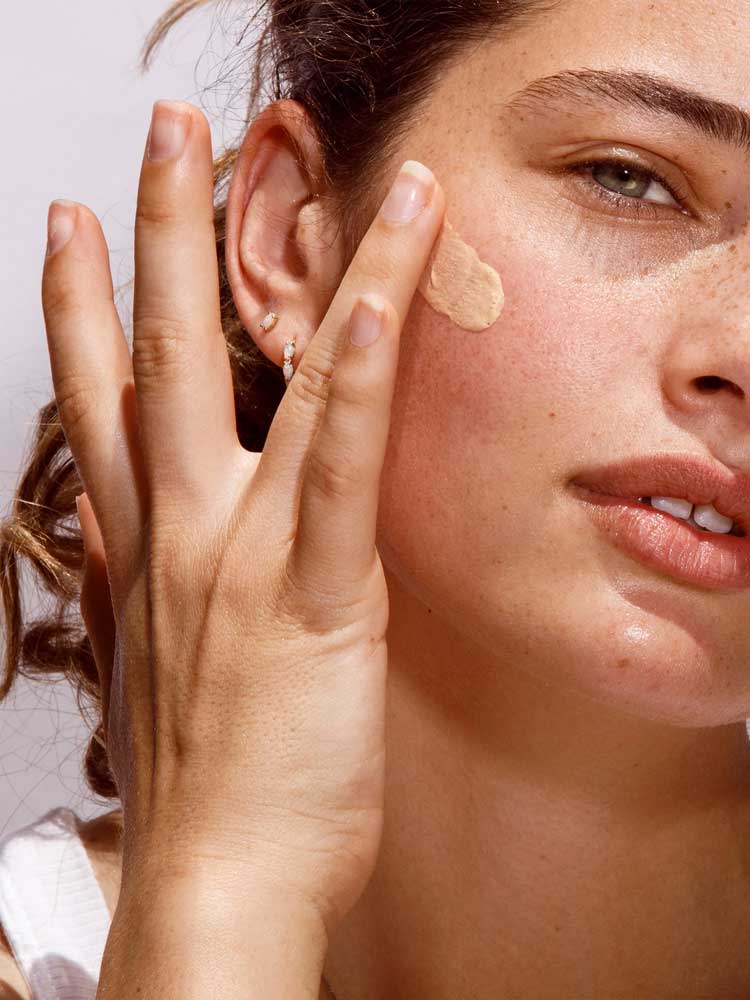
Image source: Web (Bing) / cleannectarine.com.au (Web image (fair-use with source credit))
Step-by-Step Routine for Maximum Longevity Without Clogging Pores
- Cleanse with a pH-balanced wash. Hot water strips natural oils excessively. Use lukewarm water instead.
- Apply toner if needed. Avoid alcohol-heavy toners. They disrupt the barrier.
- Moisturize lightly. Only if your primer lacks hydration.
- Apply SPF. Wait for it to set.
- Apply primer. Thin layers work best. Thick layers slide off.
- Wait 60 seconds. Let the primer bind to the skin.
- Apply foundation. Use a damp sponge for a natural finish.
Layering Logic: Where Primer Fits with SPF and Moisturizer
Order of operations prevents separation. Sunscreen sits closest to the skin. Primer goes on top.
Foundation follows last. Mixing these steps incorrectly leads to balling up. Some modern sunscreens double as primers.
Check the label for "multi-purpose" claims. If so, skip the separate primer step. Less is more with oily skin.
Too many layers suffocate pores.
Technique Matters: Patting vs. Rubbing to Prevent Pilling
Rubbing generates heat. Heat melts silicone films. This causes makeup to slide.
Patting presses the product into the skin. It enhances adhesion. Use circular motions only for blending edges.
Press firmly in the center of the face. This technique extends wear time significantly. Verified buyer feedback reports longer-lasting results with patting methods.
Common Pitfalls That Ruin Oily-Skin Primers
Over-exfoliation is a major mistake. Many users scrub daily to remove oil. This damages the lipid barrier.
Your skin responds by producing more sebum. Stick to chemical exfoliants twice a week. Physical scrubs are too abrasive for reactive skin.
Another error is ignoring seasonal changes. Summer requires heavier oil control. Winter demands more hydration.
Using the same primer year-round fails. Adjust your routine accordingly. As of 2026, dermatologists emphasize adaptive skincare.
Listen to your skin’s signals. Tightness means add moisture. Greasiness means increase absorption.
The Rebound Oil Effect: Over-Stripping and Barrier Damage
Harsh alcohols evaporate quickly. They leave the skin feeling dry initially. But they strip essential lipids.
Within hours, your glands overcompensate. You end up shinier than before. Avoid primers with high concentrations of SD Alcohol 40.
Look for denatured alcohol lower on the ingredient list. Better yet, choose alcohol-free options. Natural clays like kaolin offer gentler absorption.
Pilling and Separation: Incompatible Product Pairings
Silicones repel water-based foundations. If you mix them poorly, balls form. Ensure your foundation matches your primer type.
Silicone primer pairs well with silicone foundation. Water-based primer suits water-based formulas. Check the base of both products.
Mismatched bases cause immediate separation. Test compatibility on your jawline first. Save yourself from mid-day touch-ups.
Ignoring Climate and Seasonal Shifts in Skin Behavior
Humidity affects evaporation rates. In tropical climates, sweat mixes with sebum. Standard primers may dissolve faster.
Look for sweat-resistant formulations. In dry climates, wind strips moisture. Even oily skin needs barrier support.
Rotate your primers seasonally. Keep a matte option for summer. Store a hydrating gel for winter.
Flexibility prevents frustration.
Maintenance and Removal: Protecting Your Barrier Long-Term
Removing silicone-heavy primers requires effort. Soap alone often leaves residue. Clogged pores lead to blackheads.
Double cleansing is non-negotiable. Start with an oil-based cleanser. It breaks down silicones and makeup.
Follow with a water-based foaming cleanser. This removes remaining impurities. Skipping the second step risks infection.
Rotate your active ingredients monthly. Continuous use of salicylic acid can sensitize skin. Take a week off occasionally.
Let your barrier recover. Introduce soothing ingredients like centella asiatica. Monitor your skin’s response closely.
Persistent redness indicates irritation. Switch to gentler formulas immediately. Healthy skin holds makeup better.
Neglecting removal undoes all your prep work.
Frequently Asked Questions About Oily Skin Primers
Can I use a mattifying primer if my skin is dehydrated?
No, you shouldn't. Mattifying primers often contain alcohol or clay that strips moisture. If your skin is dehydrated but oily, this triggers rebound sebum production.
Your glands will overcompensate for the dryness. You’ll end up shinier within hours. Instead, choose a hydrating gel primer with glycerin.
It balances oil without stripping the barrier. Always prioritize hydration before seeking matte finishes on tight skin.
Do silicone-based primers clog pores?
High-quality silicones like dimethicone are non-comedogenic by design. Their molecular structure is too large to penetrate pores. However, poor removal habits cause issues.
Residue builds up and traps bacteria. This leads to breakouts, not the ingredient itself. Double cleansing solves this problem effectively.
Use an oil cleanser first, then a foaming wash. If you still experience congestion, switch to water-based formulas temporarily.
How long should I wait after applying primer before foundation?
Wait at least 60 seconds. This allows the film-forming polymers to set properly. Applying foundation too soon causes pilling and sliding.
The primer needs time to bind to your skin’s texture. In humid conditions, extend this to two minutes. Let it feel tacky but not wet.
This brief pause significantly improves makeup longevity. Rushing this step undermines even the best products.
Is it okay to mix primer with foundation?
Mixing can alter the intended performance of both products. Primers are designed to create a specific base layer. Diluting them reduces their effectiveness in controlling oil or blurring pores.
Aggregate user reviews suggest mixed results here. Some find it easier to blend, while others report patchiness. Stick to separate application for optimal control.
If you must mix, test on a small area first. Ensure the textures remain compatible to avoid separation.
What ingredients should I avoid in oily-skin primers?
Avoid heavy occlusives like mineral oil or petrolatum. These trap heat and sweat, worsening shine. Also, steer clear of high concentrations of denatured alcohol.
They strip the barrier and trigger oil production. Fragrance is another common irritant for acne-prone skin. Look for "fragrance-free" labels instead.
Check the INCI list for comedogenic ratings above zero. Simple, lightweight formulations work best for consistent oil control.

Similar Posts