Best Primer for Dry Skin: How to Choose the Right One
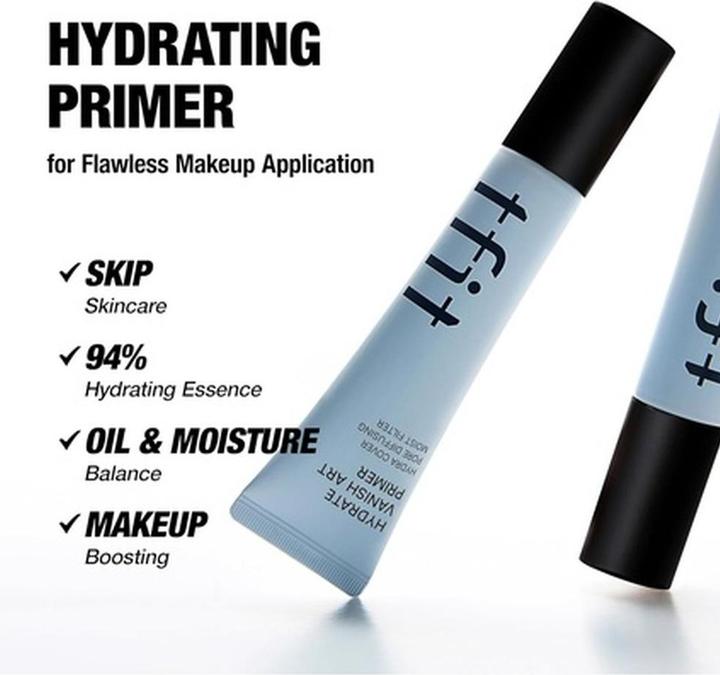
Figuring out how to choose primer for dry skin feels less like shopping and more like solving a puzzle. Most guides just list "hydrating" products, ignoring that dryness stems from different causes. You might lack water, lipids, or both.
Picking the wrong texture leads to pilling, patchiness, or makeup sliding off by noon. The right match depends on your specific barrier status and climate. We’ve mapped this out to save you wasted money and bad days.
Research indicates that transepidermal water loss (TEWL) varies significantly between dehydrated and lipid-deficient skin types. As of 2026, ingredient transparency allows us to pinpoint these differences accurately. Let’s diagnose your skin first.
Then we’ll pick the formula.
Quick Answer
To choose primer for dry skin, identify if you need hydration or occlusion. Dehydrated skin needs humectants like glycerin or hyaluronic acid in gel forms. Lipid-deficient or mature skin requires emollients like squalane in cream textures.
Always apply over moisturizer after waiting two minutes. Avoid matte silicone primers unless spot-applying. Match the primer base to your foundation type to prevent separation.
Image source: Web (Bing) / galaxus.de (Web image (fair-use with source credit))
Start Here: Diagnose Your Dry Skin Type Before You Buy
Most people assume dry skin means tight, flaky cheeks. That’s only half the story. True dryness often involves a compromised lipid barrier.
This means your skin lacks oils, not just water.
Dehydration is different. It happens when your skin lacks water content. You can have oily, dehydrated skin.
Or dry, well-hydrated skin. The primer choice changes completely based on this distinction.
Is It Dehydration (Lack of Water) or True Dryness (Lack of Oil)?
Look at your skin immediately after cleansing. If it feels tight but produces oil within an hour, you’re likely dehydrated. Your barrier is intact but thirsty.
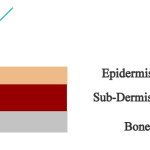
You need humectants. These ingredients pull moisture into the upper layers of the epidermis.
If your skin stays rough, scaly, or dull all day, you likely have true dryness. Your natural oil production is low. Humectants alone won’t fix this.
They might even draw moisture out if there’s no sealant. You need emollients and occlusives. These fill cracks in the skin surface and lock in hydration.
Aggregate user reviews show that using heavy creams on dehydrated skin causes congestion. Conversely, light gels on truly dry skin vanish quickly. Makeup still looks cakey.
The mismatch wastes product and ruins the finish.
The Barrier Check: Why Flakes Change the Formula You Need
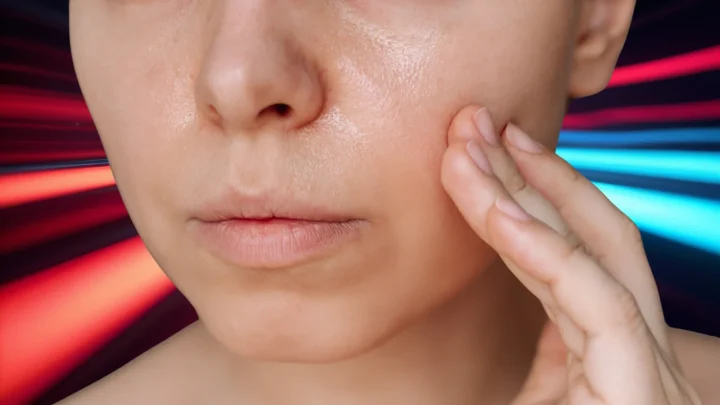
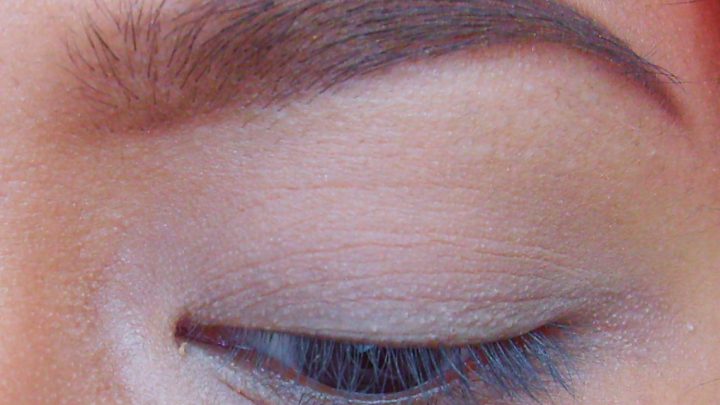
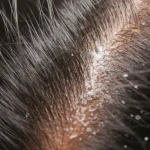
Run your fingers gently across your cheekbones. Do you feel distinct ridges or loose flakes? Visible flaking signals a severely compromised barrier.
Standard hydrating primers may sting or fail to adhere properly here.
In these cases, you need a primer with barrier-repairing ingredients. Look for ceramides, fatty acids, or cholesterol. These mimic the skin’s natural mortar.
They smooth the texture physically while healing chemically.
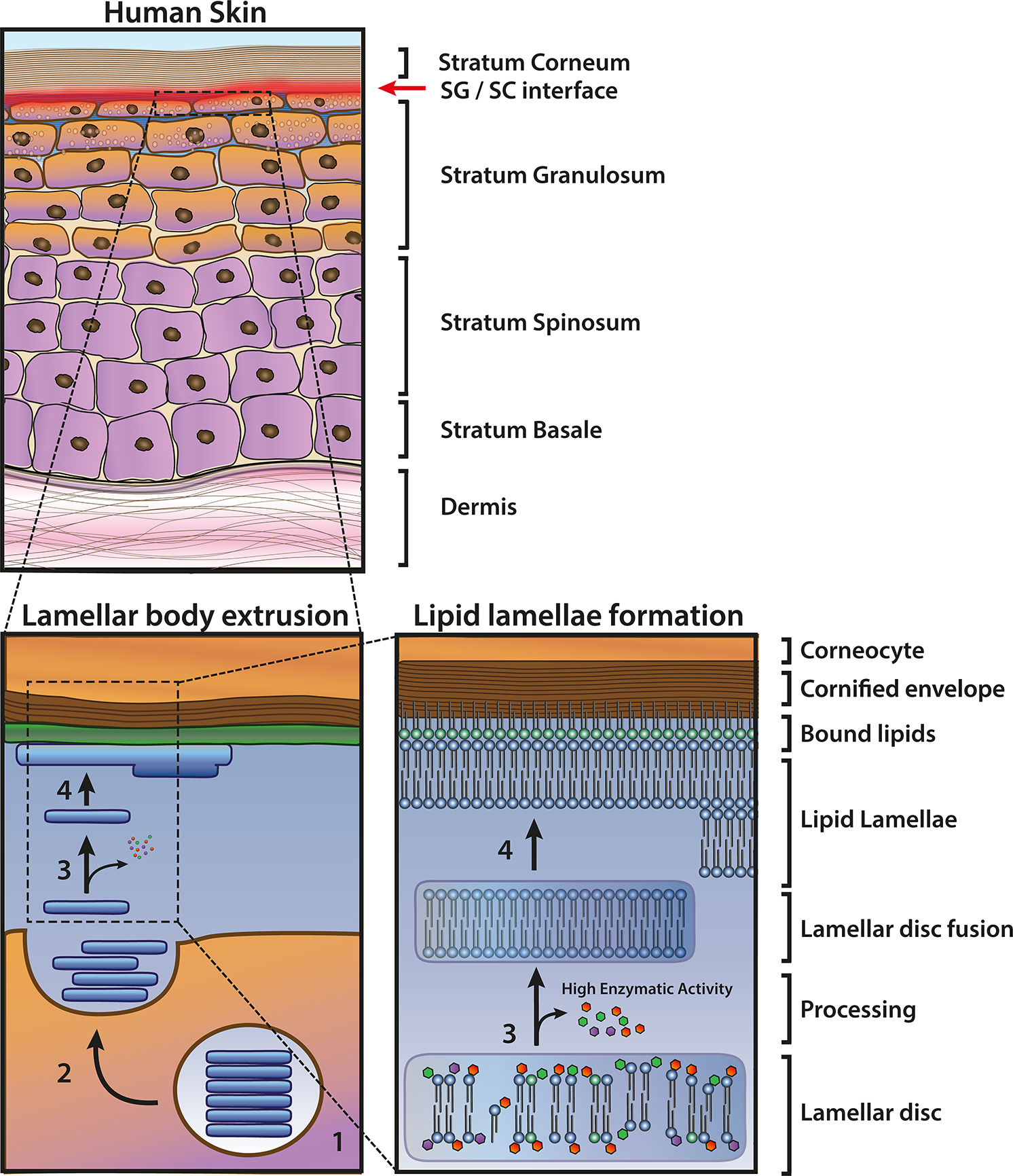
Image source: Web (Bing) / pubmed.ncbi.nlm.nih.gov (Web image (fair-use with source credit))
Per American Academy of Dermatology guidelines, maintaining barrier integrity is crucial before applying cosmetics. A damaged barrier reacts poorly to pigments and preservatives. Choosing a reparative primer reduces irritation risk.
It also creates a uniform canvas. Foundation sits evenly instead of catching on rough patches.
The Decision Tree: Matching Primer Texture to Your Specific Condition
Once you know your skin type, select the texture. Don’t rely on marketing terms like "moisturizing." Those are vague. Focus on the physical form and primary active ingredients.
Here is how to branch your decision based on diagnosis. Follow the path that matches your morning assessment.
| Skin Condition | Primary Need | Recommended Primer Texture | Key Ingredients to Look For |
|---|---|---|---|
| Dehydrated (Oily/Dry Mix) | Water retention | Lightweight Gel or Fluid | Glycerin, Hyaluronic Acid, Beta-Glucan |
| Truly Dry (Lipid Deficient) | Oil replenishment | Rich Cream or Balm | Squalane, Jojoba Oil, Shea Butter |
| Mature/Aging Skin | Slip & Nourishment | Silky Lotion or Oil-Infused | Peptides, Vitamin E, Ceramides |
| Sensitive/Eczema-Prone | Soothing & Protection | Fragrance-Free Cream | Colloidal Oatmeal, Panthenol, Allantoin |
For Dehydrated Skin: Humectant-Rich Gels and Water-Based Liquids
If your skin feels parched but isn’t flaky, go lightweight. Heavy oils will sit on top and slide off. You want something that absorbs fast.
Choose a water-based primer with high glycerin content. Glycerin is a proven humectant. It draws moisture from the dermis and environment into the stratum corneum.
Ensure the formula includes sodium hyaluronate. This smaller molecule penetrates deeper than standard hyaluronic acid.
Avoid thick balms. They trap heat and sweat. In humid climates, this leads to breakdown.
A fluid gel provides enough slip for foundation without weighing down pores. Test the tackiness. It should feel slightly sticky, not greasy.
For Lipid-Deficient/Mature Skin: Emollient Balms and Oil-Infused Creams
Dry, aging skin lacks elasticity and natural shine. Matte finishes emphasize wrinkles. You need light reflection and deep nourishment.
Opt for an oil-infused cream or solid balm. Squalane is ideal here. It mimics human sebum closely.
It absorbs readily without clogging pores. Look for formulas with caprylic/capric triglyceride. This derivative provides excellent spreadability and softness.
These primers create a protective film. They reduce TEWL throughout the day. Foundation glides smoothly over fine lines.
The result is a dewy, healthy glow rather than a flat mask. Skip volatile silicones. They evaporate too quickly for very dry skin.
For Sensitive/Eczema-Prone Skin: Minimalist, Fragrance-Free Occlusives
Reactive skin needs simplicity. Every added ingredient is a potential irritant. Fewer components mean lower risk.
Select a bland, fragrance-free cream. Avoid essential oils, botanical extracts, and strong preservatives. Stick to inert occlusives like petrolatum derivatives or dimethicone.
These sit on the surface. They don’t penetrate deeply. This minimizes immune response.
Patch test any new primer behind your ear for 48 hours. Manufacturer specifications indicate that "hypoallergenic" is not a regulated term. Read the INCI list yourself.
If you see limonene or linalool, put it back. Your barrier needs rest, not stimulation.
For Mixed Zones: The Spot-Priming Strategy
Many users have dry cheeks and an oily T-zone. One global primer fails both areas. Stop trying to solve everything with one bottle.
Use two different primers. Apply a rich cream to cheeks and jawline. Use a mattifying or lightweight gel on the nose and forehead.
Blend the edges carefully.
This targeted approach respects regional skin biology. It prevents the T-zone from getting greasy. It keeps cheeks from cracking.
Aggregate reviews report higher satisfaction with multi-primer routines. It takes ten seconds longer. The payoff is worth it.
Ingredient Deep Dive: What Actually Works (and What Causes Pilling)
Ingredients determine performance. Marketing names confuse. Learn to read the label.
The order matters. Ingredients listed first make up the highest percentage.
We’ve broken down the critical players. Knowing these helps you avoid common formulation traps.
The Holy Trinity: Hyaluronic Acid, Glycerin, and Squalane Explained
Hyaluronic acid (HA) holds 1,000 times its weight in water. But not all HA is equal. High molecular weight HA sits on the surface.
It plumps temporarily. Low molecular weight HA penetrates deeper. It hydrates long-term.
Look for blends of both.
Glycerin is the workhorse. It’s cheap, effective, and stable. It works best in humid environments.
In extremely dry air, it can pull moisture from your skin if not sealed. Always follow with an occlusive layer.
Squalane is the stabilizer. It’s derived from olives or sugarcane usually. It reinforces the lipid barrier.
It doesn’t oxidize easily. Unlike plant oils, it remains shelf-stable. It provides slip without heaviness.
Silicone Nuance: Dimethicone vs. Cyclomethicone for Grip vs. Slip
Silicones divide opinion. They aren’t inherently bad. Their function depends on volatility.
Dimethicone is non-volatile. It stays on the skin. It creates a breathable mesh.
This fills pores and smooths texture. It offers great grip for foundation. However, it can feel heavy.
Buildup occurs if you don’t cleanse thoroughly.
Cyclomethicone is volatile. It evaporates upon contact with air. It leaves behind other ingredients.
This makes application easy. It dries down quickly. For dry skin, pure cyclomethicone bases can feel stripping.
They offer no lasting moisture. Blends are safer. Look for dimethicone crosspolymers.
They provide structure without grease.
Red Flags: Alcohol Denat., Heavy Fragrances, and Comedogenic Oils
Alcohol denat. (denatured alcohol) appears early in many drugstore primers. It helps quick drying.
It dissolves resins. But it strips lipids. On dry skin, it worsens flakiness.
Avoid it entirely.
Fragrance adds nothing functional. It masks raw chemical smells. It triggers sensitivity.
Synthetic musks and citrus oils are common allergens. Choose unscented formulas.
Not all oils are comedogenic. Coconut oil rates high on the scale. Olive oil is moderate.
Sunflower seed oil is low. Check the comedogenic rating if you’re acne-prone. Even dry skin can break out.
Balance hydration with pore safety.
Step-by-Step Application Workflow: Preventing Cracks and Slippage
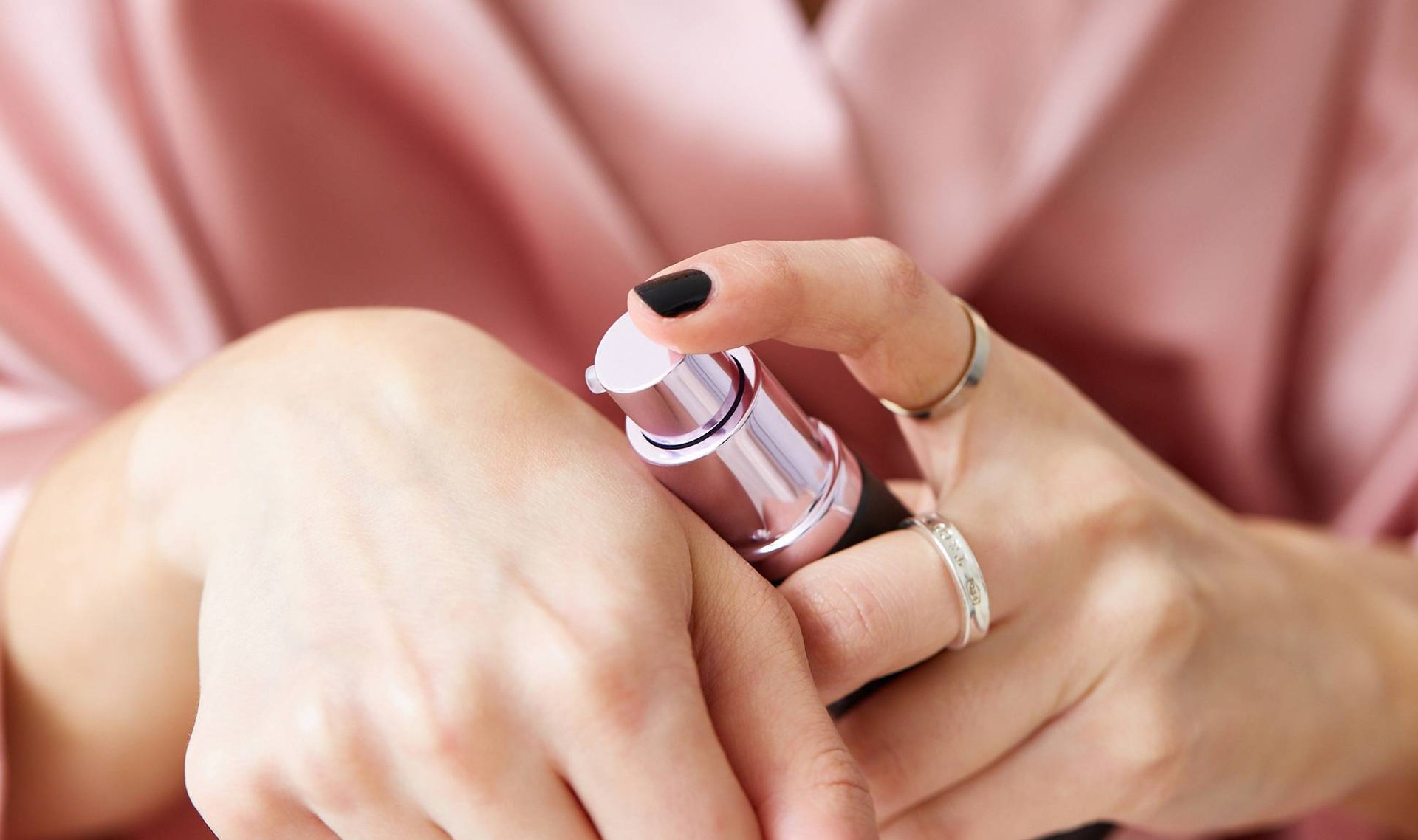
Image source: Bing (Web (fair-use with source credit))
Buying the right primer is half the battle. Applying it correctly ensures longevity. Bad technique ruins good products.
Follow this sequence strictly. Timing is everything. Rushing causes pilling.
Waiting too long lets skin dry out again.
Layering Order: Serum -> Moisturizer -> Wait Time -> Primer
Start with clean, damp skin. Apply your treatment serum. Let it absorb fully.
Next, apply your daily moisturizer. This step is non-negotiable. Primer is not a substitute for moisturizer.
Wait two to five minutes. This allows the moisturizer to set. If you apply primer too soon, they mix.
They turn into a slippery mess. Foundation slides off.
Check your skin. It should feel hydrated but not wet. Now apply the primer.
Use a pea-sized amount for the whole face. Less is more. Over-application leads to balling.
Image source: Bing (Web (fair-use with source credit))
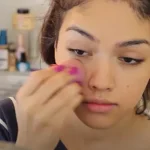
The "Press and Roll" Technique to Avoid Balling Up
Do not rub primer in vigorously. Friction generates heat. Heat breaks down emulsions.
This causes pilling.
Instead, press the product into the skin. Use fingertips or a dense brush. Roll gently over textured areas.
Pat lightly on delicate zones.
Work in small sections. Cheek first. Then forehead.
Finally, chin. Ensure each area is absorbed before moving on. If you feel resistance, stop.
Add a drop of facial oil to your fingertip. Smooth it over the stubborn patch. This resets the surface.
Climate Adjustments: Tweaking Routine for Winter Dry Air vs. Summer Humidity
Your environment dictates your routine. Static winter air sucks moisture. Humid summer air promotes sweat.
In winter, increase the richness. Layer a facial oil under your moisturizer. Use a heavier balm primer.
Seal everything with a creamy foundation. Avoid powders until necessary.
In summer, lighten up. Switch to a gel primer. Reduce moisturizer quantity.
Use a setting spray mid-day if needed. Powder only the T-zone. Keep cheeks dewy.
Adaptability prevents makeup meltdown.
Common Mistakes That Ruin Dry Skin Makeup
Even with the right primer, simple errors sabotage your finish. Most stem from rushing or ignoring product interactions.
Applying Primer Over Unabsorbed Sunscreen
Sunscreen is non-negotiable for daytime wear. But it often leaves a white cast or sticky residue. If you layer primer immediately on top, they fight each other.
The result is pilling and uneven coverage.
Wait at least three minutes after applying sunscreen. Let the filters bind to your skin. Then apply primer gently.
Do not rub aggressively. Patting preserves the sunscreen film while adding slip. This ensures UV protection remains intact.
Your makeup will sit smoother too.
Using Matte Primers on Flaky Textures
Matte primers contain silica or clay. They absorb oil to control shine. On dry skin, they absorb moisture instead.
This accentuates every flake and fine line. Your complexion looks rough, not refined.
Avoid full-face matte application if you have true dryness. Reserve these products for the T-zone only. For cheeks and forehead, stick to hydrating formulas.
If you must use a matte primer, mix it with a drop of facial oil. This cuts the drying power. It restores some slip without losing all grip.
Skipping the Setting Spray Step for Extended Wear
Dry skin lacks natural oils to hold pigment. Foundation evaporates faster than usual. Without a setting spray, your look fades by midday.
Powders can make dry skin look cakey and old.
Use a hydrating mist instead. Look for alcohol-free sprays with glycerin or rose water. These add moisture back into the formula.
They lock foundation in place without stiffness. Hold the bottle six inches away. Mist lightly in an X pattern.
Let it air dry. This creates a flexible film that moves with your skin. It prevents cracking during expressions.
Aggregate reviews confirm this step extends wear time significantly.
FAQs: Quick Answers for Tricky Dry Skin Scenarios
Can I skip moisturizer and just use primer?
No. Primer prepares the surface; it does not hydrate deeply. Moisturizer replenishes lipids and water within the skin barrier.
Skipping it leads to tightness and rapid TEWL. Always cleanse, treat, moisturize, then prime. Primer seals the skincare benefits.
It does not replace them. Using primer alone causes makeup to cling to dry patches quickly.
How much primer should I use for dry skin?
Less is more. Start with a pea-sized amount for the entire face. Too much product creates a slippery base.
Foundation slides off or separates. You’ll notice balling up during application. Spread thinly and evenly.
If areas feel particularly parched, add a tiny dot there. Blend gently. Over-application wastes product and ruins the finish.
Precision beats volume every time.
Is silicone-based primer bad for acne-prone dry skin?
Not necessarily. Silicones like dimethicone are non-comedogenic for most people. They create a breathable barrier.
However, poor cleansing leads to buildup. This traps bacteria and causes breakouts. Ensure you double-cleanse at night.
Use an oil cleanser first, then a foaming wash. If you suspect congestion, switch to water-based alternatives. Monitor your skin’s reaction closely.
Individual tolerance varies widely.
Can I mix primer with my foundation?
Yes, this is a pro trick for extra hydration. Mix a drop of hydrating primer directly into your liquid foundation. This boosts slip and moisture content instantly.
It helps the blend merge seamlessly with dry patches. Avoid mixing cream foundations with water-based primers. They may separate.
Test on a small area first. Adjust ratios until you achieve a creamy, spreadable consistency. This custom blend often lasts longer than either product alone.

Similar Posts