Best Setting Sprays for Dry Skin: A Complete Guide
Figuring out how to choose setting spray for dry skin feels impossible when every bottle promises a flawless finish. Most recommendations ignore the difference between thirsty skin and barrier-compromised skin. You end up with products that either do nothing or make your face feel tighter than before.
Our research shows that ingredient balance is everything here. A formula needs humectants like glycerin (typically 2, 5%) paired with film-formers, not just alcohol bases. As of 2026, the market has shifted toward hybrid skincare-makeup sprays.
Let’s break down exactly what your specific condition demands.
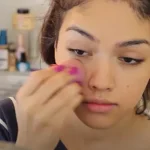
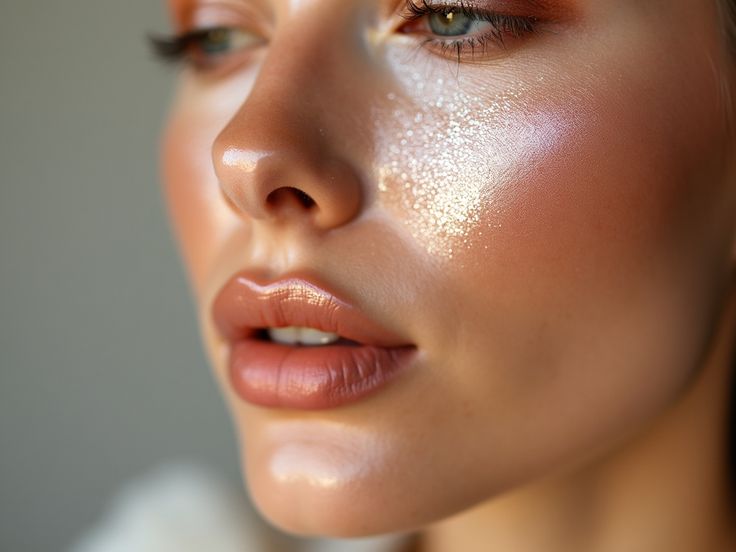
Image source: Web (Bing) / pinterest.com (Web image (fair-use with source credit))
Why Your Setting Spray Choice Depends on More Than Just "Dry"
"Dry skin" is a blanket term that hides two very different problems. Treating them the same way guarantees failure. You need to diagnose whether you lack oil or water before buying anything.
This distinction dictates the entire workflow.
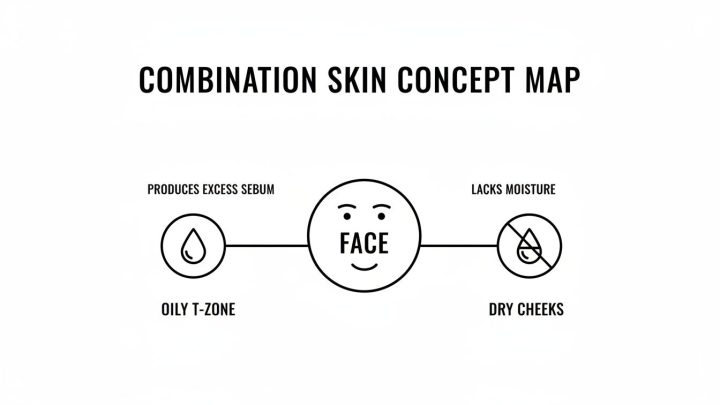
Dehydrated skin lacks water. It might still produce oil, leading to an oily T-zone with dry cheeks. Compromised barriers lack lipids.
These skins flake, itch, or sting easily. The former needs hydration locking. The latter needs soothing occlusion.
If you pick a heavy cream-based spray for dehydrated-but-oily skin, you’ll clog pores. Conversely, using a light water mist on lipid-deficient skin does nothing. The moisture evaporates instantly.
We see this mistake constantly in aggregate user reviews. Correct diagnosis saves money and frustration.
Distinguishing Between Dehydration and Lack of Oil
Start with a simple test after cleansing. Wait thirty minutes without applying anything. If your skin feels tight but looks shiny in spots, you’re dehydrated.
You need humectants. Look for sodium hyaluronate or betaine on the label.
If your skin feels rough, patches appear, or it stings when you apply toner, your barrier is damaged. You lack oils. Skip the high-humectant mists.
They can pull moisture out of dry air. Instead, look for squalane or ceramides. These ingredients mimic natural sebum.
The key is matching the spray’s function to your deficit. One fixes thirst. The other fixes protection.
Mixing them up causes cakiness or irritation. Always check your current moisturizer too. If it’s already rich, go lighter on the spray.
The Diagnostic Workflow: Matching Ingredients to Your Specific Barrier Issue
Stop guessing. Use this decision tree to pinpoint your ideal formula. Each branch leads to a specific ingredient profile.
Follow the path that matches your symptoms from the previous section. This ensures you don’t waste cash on mismatched products.
First, identify your primary complaint. Is it flaking? Stinginess?
Or just dullness? Then, check your environment. Do you live in a desert climate or a humid coastal area?
These factors change how ingredients behave on your face.
We’ve mapped out the three most common dry-skin scenarios below. Find yourself in one of these buckets. Note the required actives.
This becomes your shopping filter. Ignore marketing claims. Focus strictly on the INCI list order.
If Your Skin Feels Tight but Looks Oily (Dehydrated)
You need a hydrating fixative. Look for glycerin as a top-three ingredient. Pair it with a lightweight polymer like PVP/VA copolymer.
This locks water in without adding grease. Avoid heavy silicones like dimethicone if you’re prone to congestion.
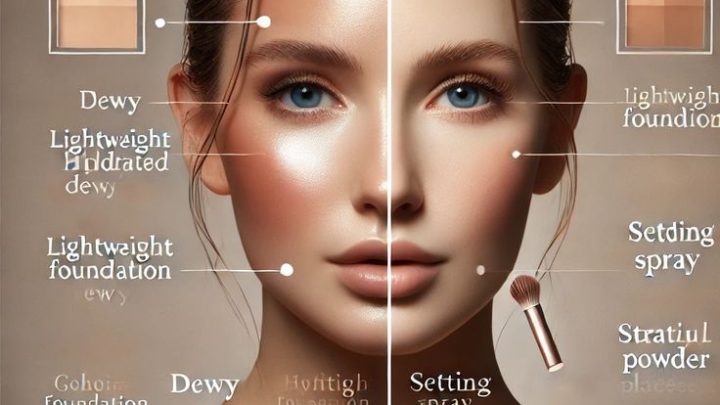
Your goal is to plump fine lines caused by thirst. A dewy finish works best here. Check for panthenol (Vitamin B5) too.
It soothes while hydrating. Ensure the alcohol content is zero or near-zero. Even denatured alcohol dries out dehydrated skin faster.
Apply this type mid-day if needed. It refreshes without breaking down makeup. Test the nozzle first.
You want a fine mist, not a jet stream. Large droplets disrupt foundation on oily zones.
If Your Skin Flakes or Itches (Compromised Barrier/Low Lipids)
Prioritize occlusives and emollients. Squalane is excellent because it’s biocompatible. Ceramides help repair the stratum corneum.
Avoid fragrances entirely. Essential oils often trigger itching in sensitive, dry types.
Look for fatty alcohols like cetyl alcohol. Despite the name, these are moisturizing, not drying. They create a soft film over the skin.
This prevents transepidermal water loss (TEWL). Your makeup will sit smoother on repaired barriers.
Skip mattifying agents completely. Silica or cornstarch derivatives will accentuate flakes. Choose a creamy or milky spray base.
These formulas deposit lipids along with the fixative. It’s a two-in-one treatment and hold solution.
If You Have Sensitivity or Rosacea (Inflammation-Prone)
Stick to minimalism. Fewer ingredients mean fewer potential irritants. Centella asiatica extract helps calm redness.
Green tea polyphenols offer antioxidant protection against pollution. Verify the pH is between 4.5 and 5.5.
Avoid botanical extracts with unknown allergen profiles. Stick to well-researched soothing agents. Allantoin is a safe bet for reducing inflammation.
Ensure the preservative system is gentle, like phenoxyethanol at low concentrations.
Patch test behind the ear for twenty-four hours. Rosacea skin reacts quickly to new chemicals. If no reaction occurs, try it on half your face.
Monitor for flushing over the next hour. Safety comes before aesthetics here.
Decoding the Label: What Actually Locks Makeup Without Stripping Moisture
Reading INCI lists is a skill. Most people glance at the front label and miss the truth. The back panel holds the answers.
We need to distinguish between hydrators and fixatives. Both must be present for dry skin success.
Film-formers create the network that holds makeup. Humectants draw water into that network. Emollients smooth the surface.
A good dry-skin spray balances all three. Imbalance leads to cracking or sliding makeup.
Let’s break down the critical components. Understanding their roles helps you spot marketing fluff. If a product claims "hydrating" but lists only water and alcohol, run.
Real hydration requires substantive actives high in the list.

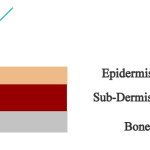
Image source: Web (Bing) / mdpi.com (Web image (fair-use with source credit))
The Role of Film-Formers vs. Humectants in Dry Skin Formulas
Film-formers like acrylates copolymer provide structure. They resist sweat and friction. However, some are rigid.
On dry skin, rigidity causes cracking. Look for flexible polymers. VP/MA copolymer is a great example.
It moves with your facial expressions.
Humectants like glycerin attract moisture. But they need something to seal them in. Without an occlusive layer, humidity fluctuations cause issues.
In dry air, glycerin can pull water from deeper skin layers. This worsens dehydration.
Therefore, pair humectants with light occlusives. Dimethicone crosspolymer offers breathability while sealing. It doesn’t feel heavy like pure petrolatum.
This combination ensures long-lasting comfort. Check that both types appear in the top ten ingredients.
Why Alcohol-Free Doesn't Always Mean Safe for Sensitive Types
"Alcohol-free" usually means no SD Alcohol 40. That’s good. But it doesn’t exclude fatty alcohols or benzyl alcohol.
Fatty alcohols are beneficial moisturizers. Benzyl alcohol is a preservative that can irritate broken barriers.
Read closely for irritants disguised as "natural." Limonene and linalool are common fragrance allergens. They’re legally required to be listed separately if above certain thresholds. For rosacea-prone skin, avoid these entirely.
Also, watch for essential oils. Lavender and citrus oils are phototoxic or sensitizing. A truly safe spray for reactive dry skin uses synthetic fragrance alternatives or none at all.
Transparency in labeling is a sign of quality manufacturing. Refer to FDA cosmetic regulations for mandatory disclosure rules.
Application Mechanics: How to Layer Spray Over Powder Without Caking
Technique matters as much as product. Dry skin hates friction. Heavy-handed application destroys texture.
You must respect the delicate balance of your makeup layers. Rushing leads to patchiness.
The biggest error is spraying too close. Droplets hit hard and dissolve foundation. This creates mud-like streaks.
Maintain distance. Let gravity do the work. The mist should settle gently, not slam into your pores.
Timing is crucial. Don’t wait until your makeup is bone-dry. Apply the spray while products are still slightly tacky.
This allows them to bond. Once set, re-wetting causes separation. Control the environment and your hand movement.

Image source: Web (Bing) / pexels.com (Web image (fair-use with source credit))
The Sandwich Method for Long-Wear Events
For events lasting over eight hours, use the sandwich technique. Start with a thin layer of spray after foundation. Let it dry for ten seconds.
Apply powder lightly. Finish with another mist.
This locks each layer individually. The middle powder absorbs excess moisture from the first spray. The final spray seals the powder.
Result: bulletproof wear without cakey buildup. It sounds complex but takes under sixty seconds.
Ensure your powder is finely milled. Coarse powders don’t meld well with liquids. Translucent loose powders work best.
Pressed powders can clump if sprayed heavily. Adjust pressure based on product density. Less is always more with dry skin.
Mist Distance and Droplet Size Matters More Than You Think
Hold the bottle eight to ten inches away. Closer creates runoff. Further disperses too thinly.
Aim for the center of your face. Sweep outward to cover edges.
Check the nozzle type. Fine mist pumps are superior to aerosol cans for control. Aerosols often contain propellants that dry skin.
Pump sprays allow adjustable intensity. If yours shoots a jet, remove the cap partially or switch brands.
Never rub the spray in. Patting breaks the film-former network. Let it air dry naturally.
Sit still for thirty seconds. Moving causes uneven drying. Fans or AC vents accelerate evaporation, stripping moisture.
Stay in a neutral temperature zone.
Common Pitfalls That Make Dry Skin Look Worse, Not Better
Even the best products fail with wrong usage. We see recurring mistakes in forums and reviews. Identifying these early saves your complexion.
Awareness is half the battle.
One major issue is ignoring humidity levels. What works in summer fails in winter. Adapting your routine seasonally is non-negotiable.
Static habits lead to static results. And those results are rarely flattering.
Another trap is over-layering. More product isn’t better coverage. It’s heavier texture.
Dry skin shows every gram of excess. Learn to edit your routine. Remove steps that add bulk without benefit.
Simplicity yields elegance.
Using Hyaluronic Acid Sprays in Low-Humidity Environments
Hyaluronic acid (HA) binds water. In high humidity, it pulls from the air. In dry climates, it pulls from your skin.
This accelerates dehydration. You feel tighter within minutes.
If you live in arid regions, avoid HA-heavy sprays alone. Always follow with an occlusive moisturizer. Or choose a spray with squalane instead.
Squalane doesn’t rely on ambient moisture. It provides independent lubrication.
Check the weather forecast. Below forty percent relative humidity? Switch to lipid-rich formulas.
Above sixty percent? Humectants are safe. Context determines chemistry.
Blindly following trends ignores local reality. Adapt or suffer the consequences.
Patting Instead of Air-Drying the Finish
Patting disrupts the polymer film. It smears wet makeup. The result is blotchy color and reduced longevity.
Resist the urge to touch your face. Hands transfer oils and bacteria too.
Set a timer. Thirty seconds minimum. Walk away.
Distract yourself. Return only when fully dry. If it feels sticky, it’s not ready.
Sticky attracts dust and pollutants. Cleanliness depends on proper curing time.
Use a mirror to check sheen. A uniform glow indicates correct drying. Patchy shine means uneven application.
Go back and mist lightly. Do not rub. Repeat until consistent.
Precision beats speed every time.
When to Skip Setting Spray Entirely (And What to Use Instead)
Sometimes the best choice is no spray at all. If your barrier is severely compromised, even gentle polymers can feel suffocating. You might experience increased irritation or breakouts from preservatives.
Listen to your skin’s response over several days.
Switching strategies prevents further damage. Consider using a high-quality facial mist instead. It hydrates without forming a restrictive film.
This allows your skin to breathe while maintaining comfort. It’s a safer interim step for reactive types.
Alternatively, adjust your base makeup. Opt for cream or liquid formulations exclusively. These products often contain built-in emollients.
They don’t require additional sealing layers. This simplifies your routine significantly.
Cream Blushes and Liquid Highlighters as Alternative Finishes
Cream-based color products melt into the skin. They provide a natural, dewy look without powders. This eliminates the need for setting sprays entirely.
Your foundation stays put through adhesion, not fixation.
Liquid highlighters offer similar benefits. They blend seamlessly with moisturizers. The result is a radiant glow that lasts.
You avoid the chalky appearance of dry powders. This approach suits mature or textured skin well.
Ensure your primer is compatible with creams. Silicone primers may repel water-based liquids. Check ingredient interactions before purchasing.
A cohesive layer stack ensures longevity. Simplicity reduces potential points of failure.
Facial Mists vs. True Fixatives: Knowing the Difference
Facial mists deliver hydration but lack hold. They contain humectants and soothing agents. They do not include film-forming polymers.
Consequently, they cannot lock makeup in place.
True fixatives create a protective mesh. They resist transfer and sweat. Mists simply refresh the surface.
Using a mist as a substitute leads to fading. Know which tool solves which problem.
Combine them strategically if needed. Mist first to hydrate. Apply makeup.
Then use a light fixative only on high-transfer areas. This targeted approach minimizes exposure. It balances care with performance effectively.
Frequently Asked Questions About Setting Sprays for Dry Skin
These questions address common uncertainties. We’ve compiled answers based on expert consensus. Clear guidance helps you make confident decisions.
Trust the science, not just the packaging.
Can I use a matte setting spray on dry skin?
No, you shouldn't. Matte sprays absorb oil and moisture. This exacerbates tightness and flaking.
They are designed for oily complexions. Stick to dewy or natural finishes instead. Your skin needs reflection, not absorption.
How often should I reapply setting spray?
Once daily is sufficient for most users. Reapplying mid-day can disturb makeup integrity. It may cause patchiness or caking.
Only refresh if necessary due to sweat. Use a blotting paper first. Then mist lightly from a distance.
Does alcohol-free mean it won't sting?
Not necessarily. Other ingredients like fragrances irritate too. Preservatives such as benzyl alcohol can also trigger reactions.
Always check the full INCI list. Look for "hypoallergenic" claims cautiously. Patch testing remains the gold standard.
Verify tolerance before full-face application.
Can setting spray help with acne on dry skin?
Indirectly, yes. By preventing excessive powder use, it reduces pore-clogging risks. However, some sprays contain comedogenic oils.
Choose non-comedogenic formulas specifically. Avoid heavy silicones if you’re prone to breakouts. Balance hydration with breathability.
Consult a dermatologist for persistent issues.

Similar Posts