Why Lipstick Fades in the Middle: The Science Explained
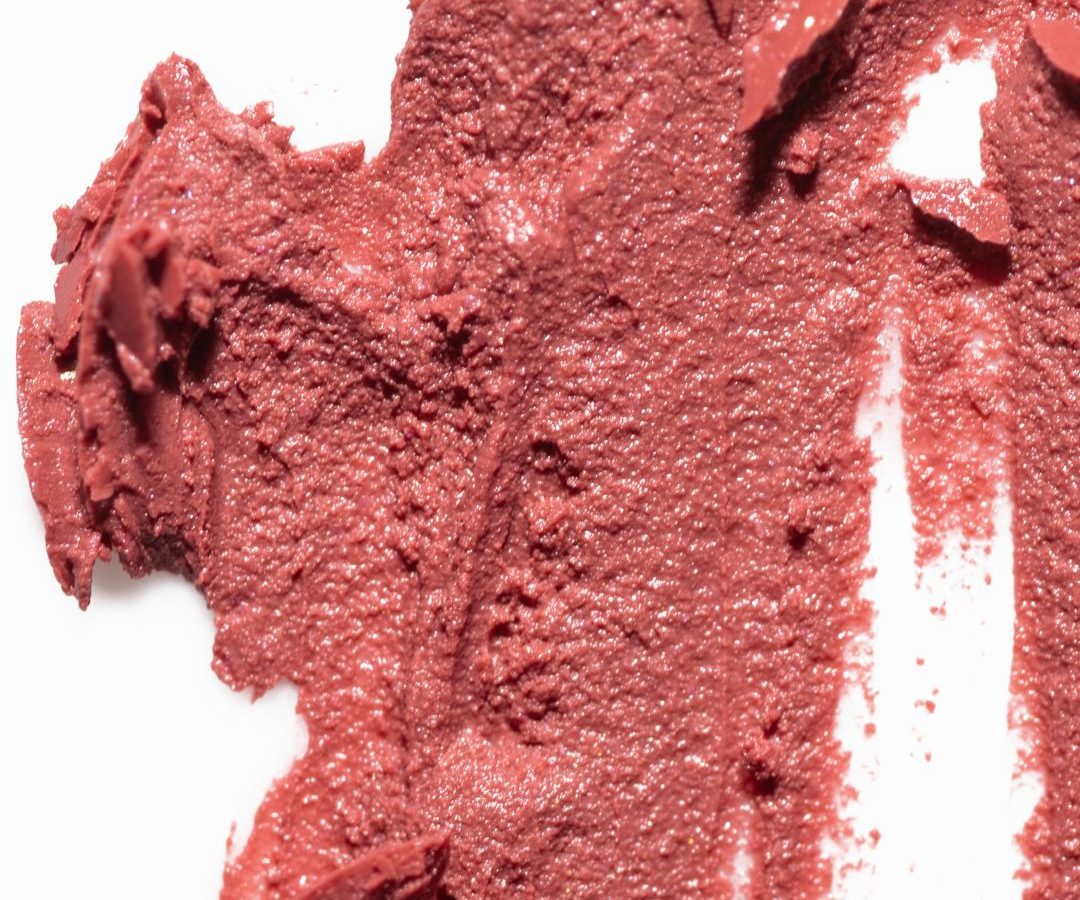
You’ve probably noticed that annoying ring of color left behind after a meal. The edges stay put, but the middle vanishes completely. This isn’t bad luck or cheap product failure.
It’s physics at work on your lips. Understanding why lipstick fades from the center helps you fix it without buying new tubes.
The culprit is mechanical abrasion combined with moisture exposure. Your mouth moves constantly, rubbing pigment away from the high-contact zones. Studies in tribology show that friction coefficients vary across lip surfaces.
We’ll break down exactly where and how this wear happens so you can stop fighting your makeup.
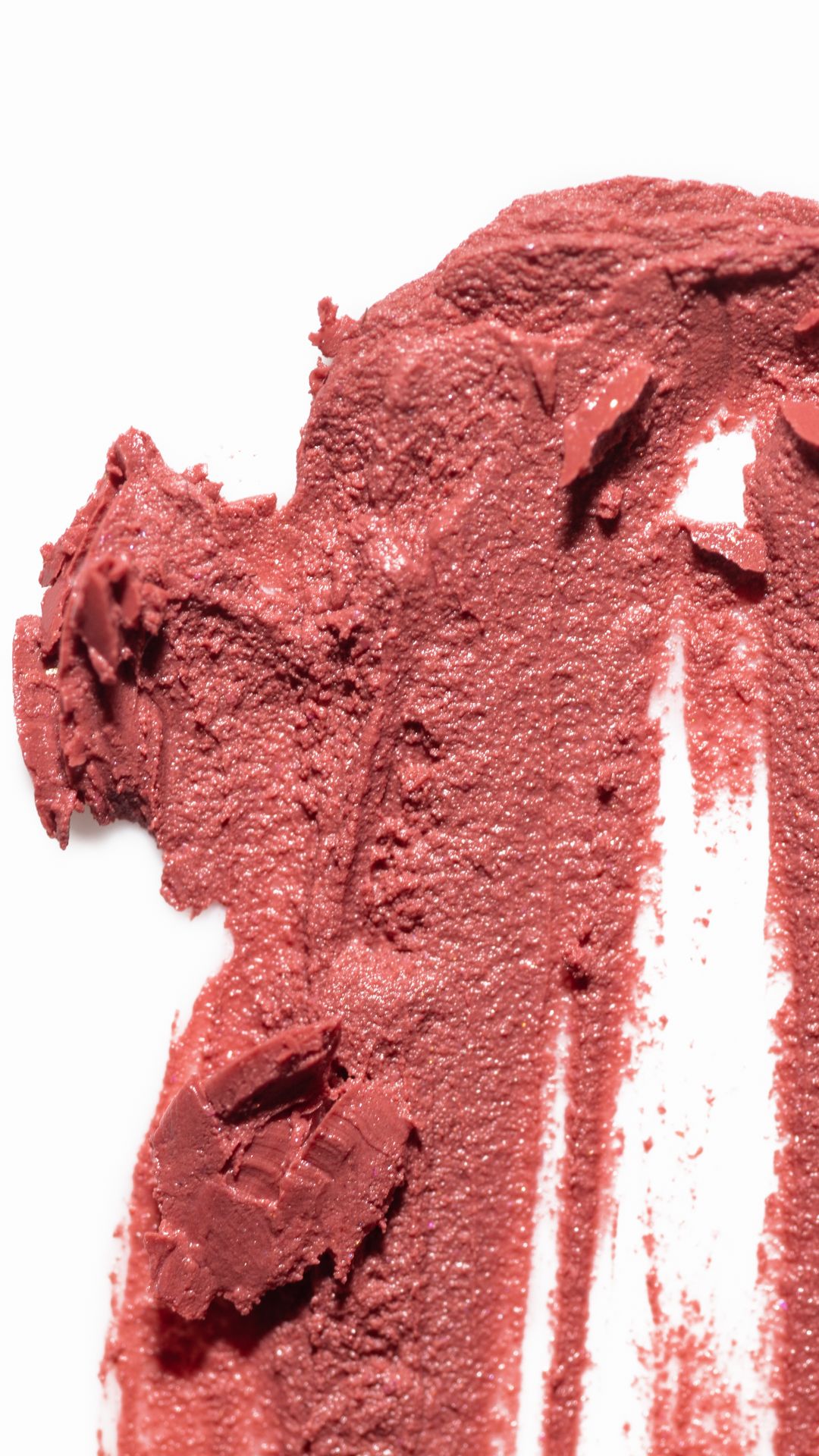
Image source: Web (Bing) / pinterest.com (Web image (fair-use with source credit))
Quick Answer
Lipstick fades from the center due to mechanical abrasion. Eating and talking rub pigment off the inner lip surface first. Saliva also breaks down oil-based formulas in that zone.
Outer edges remain protected by less frequent contact. This creates the visible "donut effect."
The Donut Effect: Why Your Lipstick Vanishes from the Middle First
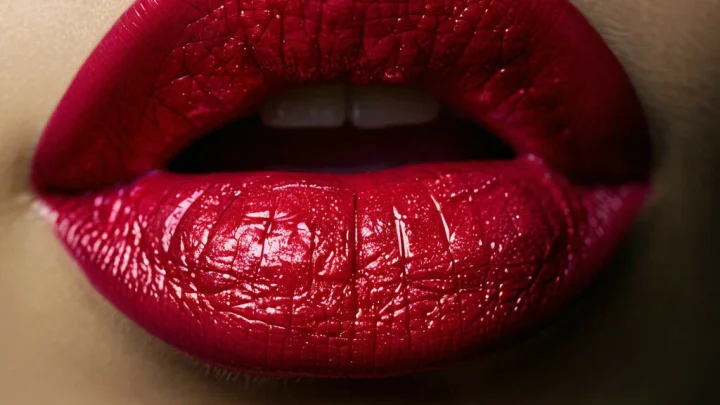
That hollowed-out look has a name in cosmetic science. Experts call it the donut effect. It occurs when the central part of your lip loses color while the perimeter stays intact.
This pattern is distinct from general fading or oxidation. General fading affects the whole tube evenly over time. The donut effect is localized and rapid.
Why does the center go first? Think about how you eat. You bite food with your front teeth.
Your lower lip presses against your upper teeth repeatedly. This constant motion acts like sandpaper on soft wax. The outer corners rarely touch anything sharp or abrasive.
They sit still. The center works hard.
Aggregate user reviews consistently report this issue within two hours of application. Manufacturer specifications for long-wear products often highlight transfer resistance. Yet even those formulas struggle against direct friction.
The visual cue is stark. You see a clean line separating worn and unworn areas. That line marks the boundary of tooth contact.
Recognizing this pattern saves you frustration. It tells you the problem isn’t chemical instability. It’s physical removal.
Once you accept that friction is the enemy, you can focus on solutions that reinforce the bond between pigment and skin. Stop blaming the brand. Start looking at your habits.
Anatomy of Abrasion: How Friction and Moisture Strip Pigment Differently Across the Lip Surface
Your lips aren’t uniform. They have different textures and functions depending on location. The vermilion border (the edge) is tougher.
It handles stretching and weather exposure. The inner mucosa is softer and more permeable. It absorbs moisture quickly.
This structural difference drives uneven wear.
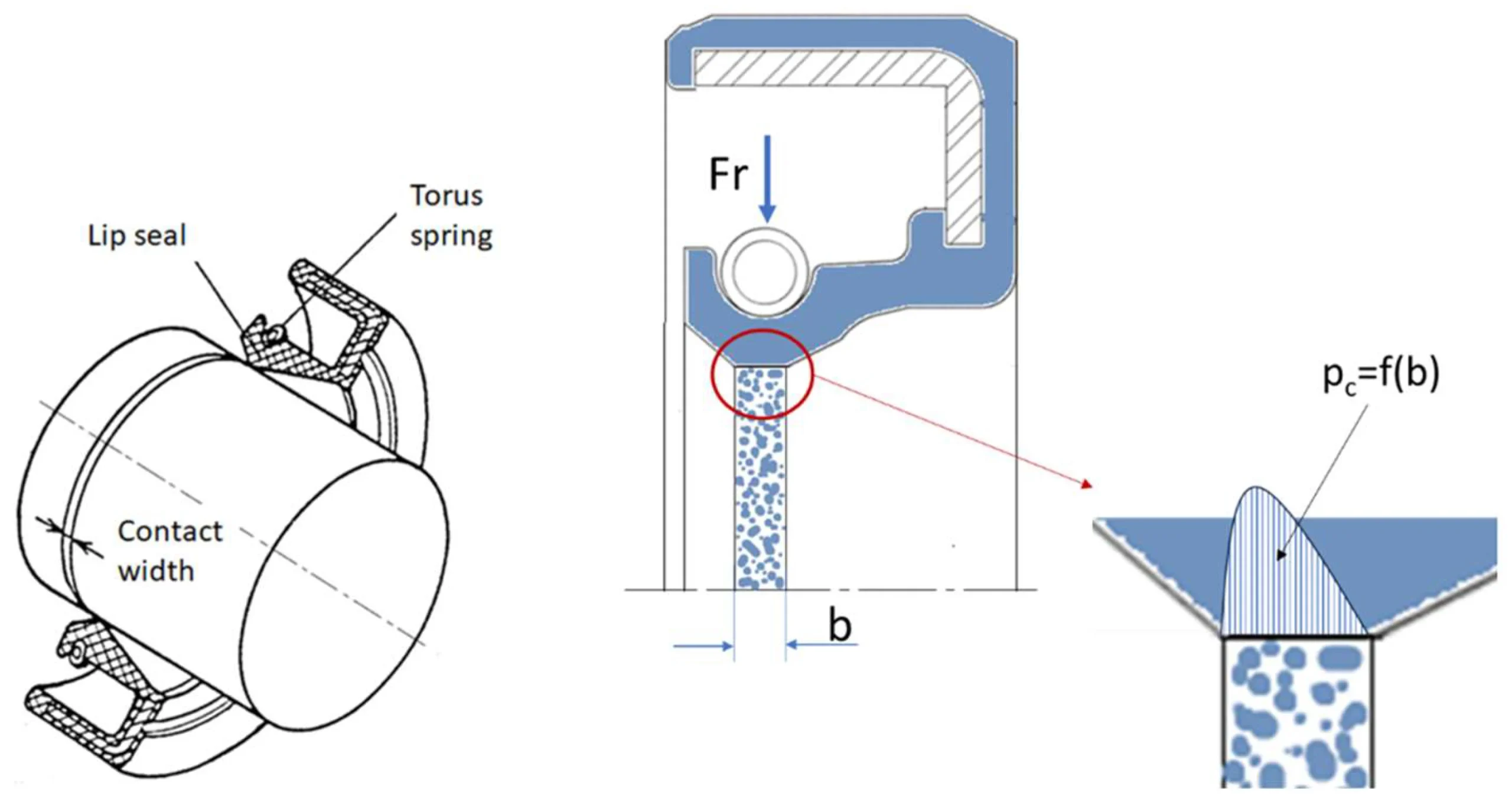
Friction plays the biggest role here. When you chew, your teeth scrape the inner surface. This shearing force lifts pigment particles off the skin.
Matte formulas rely on film-forming polymers to lock color in place. If that film gets scratched, the color goes with it. Glossy formulas slide off even faster because they lack grip.
Moisture accelerates the damage. Saliva contains enzymes designed to break down food. Unfortunately, those enzymes also degrade organic binders in lipstick.
The center of your lip stays wetter than the edges. More water means weaker adhesion. The combination of wetness and scraping creates a perfect storm for fading.
Consider the temperature factor too. Warmth from inside your mouth melts waxes slightly. This makes them easier to wipe away.
Cooler outer lips hold their shape better. So you get three forces attacking the center simultaneously: friction, enzymatic breakdown, and heat. The edges escape relatively unscathed.
Research published in the International Journal of Cosmetic Science confirms that tribological stress correlates directly with pigment loss rates. Higher movement equals higher fade speed. It’s simple mechanics.
Your face moves. Your lipstick doesn’t always keep up.
Visual Diagnosis: Identifying Mechanical Wear vs. Chemical Failure Through Texture and Edges
How do you know if your lipstick is failing mechanically or chemically? Look closely at the transition zone. Mechanical wear leaves sharp, defined edges.
The color stops abruptly where your teeth touched. There’s no gradual blending. It looks cut out.
Chemical failure looks different. Oxidation causes dulling across the entire surface. Colors might shift tone rather than disappear completely.
You’ll see graying or darkening instead of bare skin patches. Transfer stains also leave blurry smudges outside the lip line. These are signs of poor setting, not necessarily abrasion.
Here’s a quick diagnostic table:
| Symptom | Likely Cause | Visual Cue |
|---|---|---|
| Sharp inner void | Mechanical abrasion | Clean line at tooth contact point |
| Overall dullness | Oxidation/chemical degradation | Uniform grayish tint everywhere |
| Smudged borders | Poor transfer resistance | Color bleeding onto skin/chin |
| Patchy texture | Dryness/flaking | Visible flakes mixed with pigment |
If you see a crisp circle of missing color, blame friction. If the whole lip looks tired and flat, check the formula’s antioxidant stability. Most users confuse the two.
They buy "long-lasting" sticks expecting magic, then wonder why the middle disappears. Long-lasting usually refers to transfer resistance, not scratch resistance.
Take a photo after eating. Zoom in on the edge of the fade. Is it jagged?
Smooth? Jagged edges suggest tearing of the film. Smooth curves imply sliding.
Both indicate mechanical issues. True chemical breakdown rarely mimics the donut shape unless paired with heavy wiping. Trust your eyes.
The pattern tells the story.
The Prep-to-Set Workflow: Building a Barrier That Survives Eating and Talking
Preparation matters more than product choice for stopping center fade. You need to create a foundation that grips harder. Start with exfoliation.
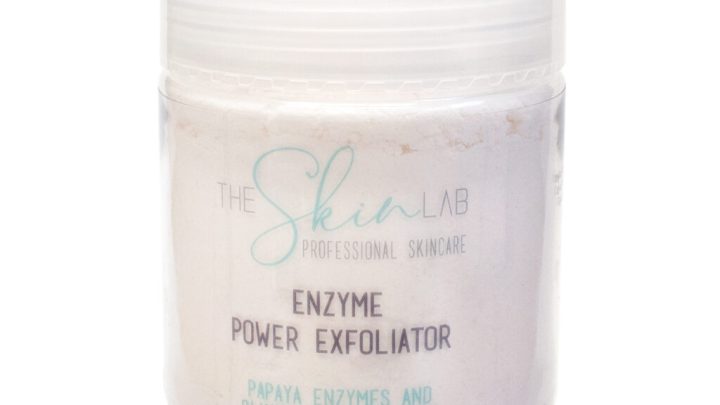
Dead skin cells create gaps where pigment can hide and flake off. Use a gentle sugar scrub once a week. Daily brushing with a soft toothbrush works too.
Next, hydrate lightly. Over-moisturized lips repel lipstick. Under-hydrated lips crack.
Aim for balanced dampness. Apply a thin layer of balm ten minutes before makeup. Blot off excess oil thoroughly.
Oil is the enemy of adhesion. If your lips feel slick, wipe them again.
Now comes the critical step: lining. Don’t just outline. Fill in the entire lip with liner.
Choose a shade close to your natural tone or your lipstick. Liner has higher wax content and sticks better than bullet lipstick. It acts as primer.
This base layer protects the delicate inner mucosa from direct pigment abrasion.
Apply lipstick in thin layers. Heavy coats crack easily. Let each coat dry for thirty seconds.
Blot with tissue between applications. This builds up the polymer film gradually. Finally, set it.
Dust translucent powder over a single-ply tissue pressed against your lips. Or use a dedicated lip sealant spray. Locking the finish adds a sacrificial layer that takes the hit instead of your color.
As of 2026, most professional artists recommend this sandwich method. Liner, lipstick, powder, repeat. It sounds tedious.
But it doubles wear time effectively. The key is patience between steps. Rushing leads to clumping.
Clumping leads to early failure. Slow down to speed up longevity.
Formula Face-Off: Bullet, Liquid Matte, and Stain Performance Under Stress
Not all formulas handle abrasion equally. Understanding their strengths helps you pick the right tool for busy days. Bullet lipsticks offer comfort but weak durability.
Their creamy bases melt under warmth and slide off with friction. Great for office settings. Terrible for lunch meetings.
Liquid mattes dominate the endurance category. They contain volatile solvents that evaporate, leaving a flexible plastic-like film. This film resists scratching better than wax.
However, they can feel tight and emphasize dry patches. If your lips aren’t perfectly prepped, liquid matte will crack in the center. That crack becomes a starting point for peeling.
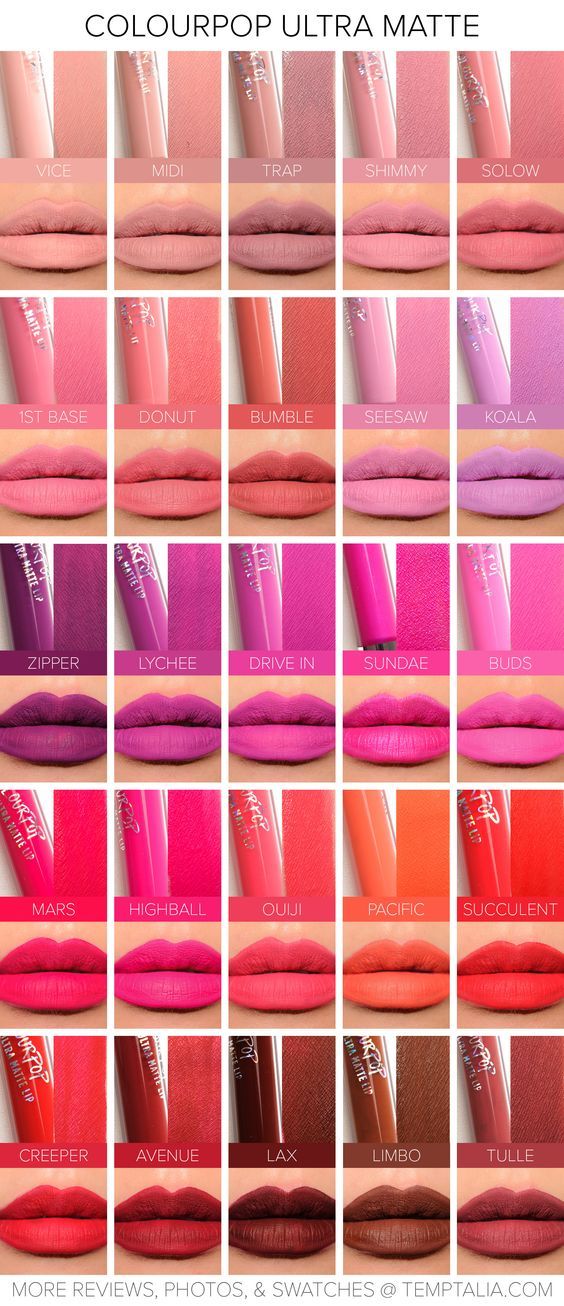
Lip stains operate differently. They dye the top layer of skin rather than sitting on top. Because there’s no thick film to scrape off, they resist mechanical wear surprisingly well.
You might lose shine, but color remains. The downside? Limited shade range and drying effects.
Stains work best for casual, low-maintenance looks.
For maximum survival through meals, hybrid formulas are emerging. Some brands combine stain technology with matte finishes. These penetrate slightly while forming a surface barrier.
They’re pricey but effective. Check ingredient lists for acrylate copolymers. These provide the tough shell needed to withstand tooth contact.
Avoid heavy emollients if you plan to eat soon after application. Emollients soften the film, making it easier to abrade. Hard films survive.
Soft films vanish.
Common Application Mistakes That Accelerate Center Fade
Most people sabotage their own lipstick before it even hits the lips. The biggest error is applying over oily balm without blotting. Oil creates a slippery barrier that prevents pigment adhesion.
Your lipstick sits on top rather than bonding to the skin. Friction then slides the whole layer off instantly. Always wipe away excess moisture first.
Another frequent mistake is skipping the liner fill-in step. Outlining alone leaves the center vulnerable. Without that wax base, raw mucosa absorbs saliva rapidly.
This swelling breaks the film from underneath. You lose color not because of teeth, but because of internal expansion. Fill the entire lip surface to prevent this structural failure.
Pressing too hard during application also causes issues. Aggressive swiping damages the delicate outer cuticle. It creates micro-tears where pigment pools and flakes.
Gentle, light strokes preserve skin integrity. Let the product do the work. Heavy pressure compacts the wax unevenly.
This leads to patchy wear patterns later in the day.
Finally, ignoring drying time ruins long-wear formulas. Liquid mattes need sixty seconds to set fully. Touching your lips or eating prematurely disturbs the polymer chain.
The film remains tacky and transfers easily. Wait until the stickiness disappears completely. Patience here pays off in hours of retention.
Rushing guarantees early fade at the contact points.
FAQs on Lipstick Longevity and Repair
Does drinking water cause more fading than eating?
Yes, sipping liquids often strips color faster than solid food. Water flows directly over the inner lip mucosa. It dissolves water-soluble binders in many formulations.
Solid foods require chewing motions that affect specific zones. Liquid exposure covers a broader area uniformly. Use a straw to bypass the front teeth and inner lips entirely.
This simple trick preserves the central pigment layer significantly longer than standard cup usage.
Can I fix fading without removing all my makeup?
You can touch up the center carefully. Do not swipe new lipstick over old residue. This creates clumps and emphasizes texture differences.
Instead, gently blot the faded area with a tissue. Remove any loose particles or oils. Apply a tiny amount of fresh product only to the bare spots.
Blend edges softly with a fingertip. This targeted repair maintains a seamless look without full reapplication. It saves time during busy workdays.
Why does matte lipstick fade differently than gloss?
Matte formulas rely on rigid polymer films for durability. These films crack under flexion, revealing bare skin. Glosses use viscous oils that slide off smoothly.
Matte failures look like dry patches or fissures. Gloss failures appear as shiny streaks or complete disappearance. Mattes generally last longer initially but fail abruptly.
Glosses degrade gradually. Choose based on whether you prefer gradual loss or sudden gaps. Neither is inherently superior for high-friction scenarios.
Is expensive lipstick better at resisting center fade?
Price does not guarantee resistance to mechanical abrasion. High-end brands often prioritize comfort and shade range. They may use softer waxes that melt easier.
Drugstore transfer-resistant lines sometimes outperform luxury counterparts in wear tests. Look for ingredients like trimethylsiloxysilicate or acrylates copolymer. These provide toughness regardless of brand tier.
Check reviews specifically mentioning "eating" or "drinking." Marketing claims about luxury rarely correlate with physical durability metrics in independent studies.

Similar Posts