Why Lip Gloss Feels Sticky: The Science Behind the Tack
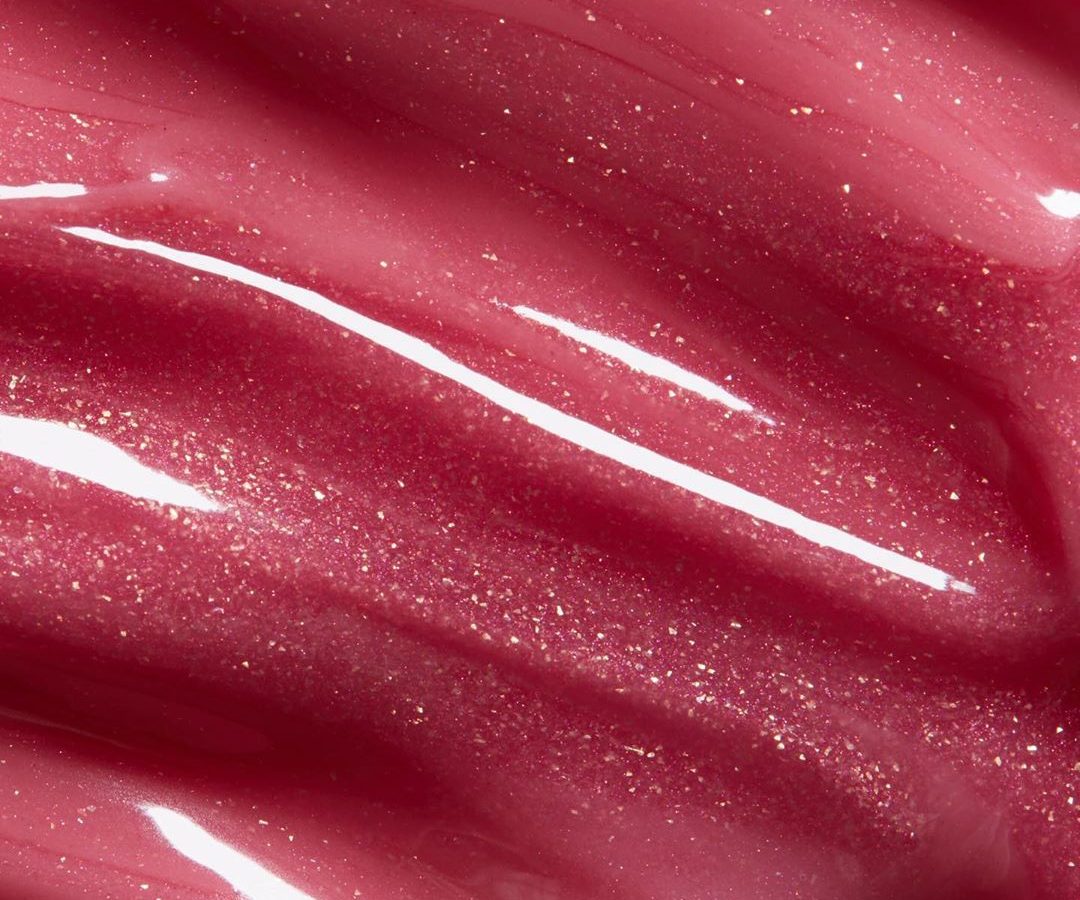
You’ve probably wondered why lip gloss feels sticky, especially when you’re just trying to look polished. It’s rarely bad luck or poor quality alone. Often, it’s a specific chemical reaction happening on your lips.
The tackiness comes from polymers designed to hold pigment and shine in place.
These ingredients create a film that traps moisture but also catches debris. As of 2026, most drugstore formulas still rely on older, cheaper binders. Understanding the science helps you pick better options.
Let’s break down exactly what causes that uncomfortable glue-like sensation so you can fix it.
Quick Answer
Lip gloss feels sticky due to high-molecular-weight polymers like polyisobutylene. These ingredients form a tacky film to lock in shine and color. Humidity and heat amplify this effect by softening the polymer structure.
Over-application worsens the sensation by creating thick, uneven layers. Switching to ester-based formulas reduces stickiness significantly.
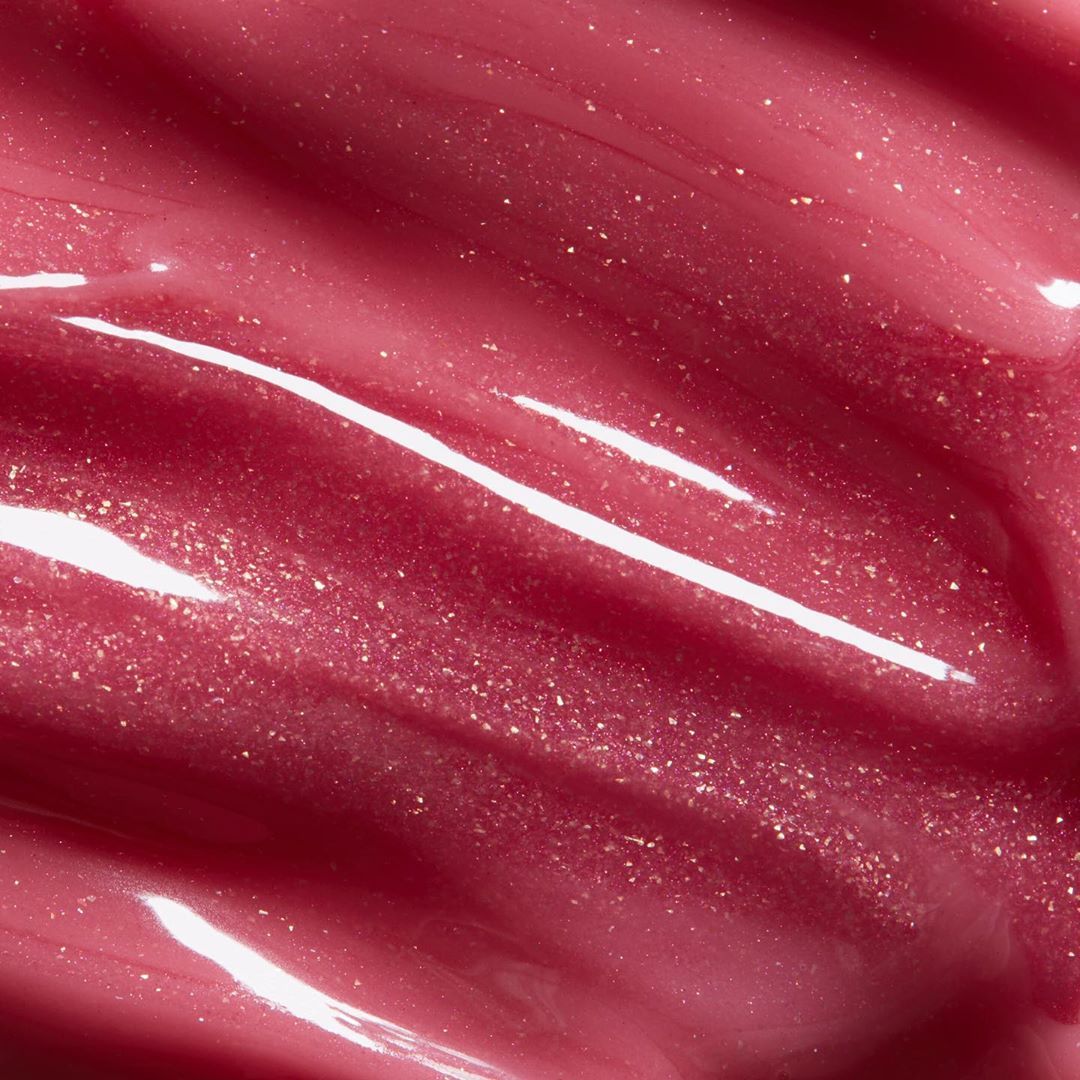
Image source: Bing (Web (fair-use with source credit))
Why Your Lip Gloss Feels Like Glue
The Chemistry Behind the Stickiness
The primary culprit is usually polyisobutylene (PIB). This synthetic rubber provides the glossy finish and longevity we expect. However, PIB has a naturally high tack value.
It grabs onto surfaces to stay put. On your lips, this means it grips skin cells tightly.
Manufacturers use PIB because it doesn’t evaporate quickly. Other solvents dry out and leave a matte patch. PIB stays wet-looking for hours.
But that “wet” look translates to a sticky feel. The polymer chains tangle together, creating resistance when you press your lips.
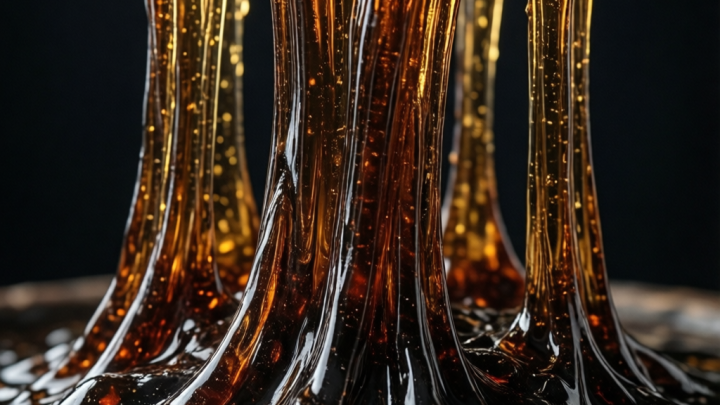
Think of it like honey versus water. Water flows freely. Honey clings.
PIB acts like molecular honey. It holds shape but resists movement. This resistance is what you feel as stickiness.
It’s not necessarily a defect. It’s a feature of traditional gloss chemistry.
Newer formulations try to mimic this shine without the grab. They use lighter esters or volatile silicones. These ingredients spread easily and then vanish.
They leave behind a thin, non-tacky film. But they don’t last as long. That’s the trade-off.
You get comfort at the cost of wear time.
Most users don’t realize this balance exists. They assume all glosses should feel light. In reality, longer-wear glosses almost always have some tack.
Knowing this helps manage expectations. If you want all-day shine, accept a little grip. If you hate the feeling, prioritize comfort over longevity.
Is It the Formula or Your Technique? A Quick Diagnostic
Check These Three Variables First
Before blaming the product, check how you’re applying it. Sometimes the issue isn’t the chemistry. It’s the physics of application.
Too much product creates a thick layer that dries slowly. Slow drying equals prolonged stickiness.
Start with the amount. Are you swiping generously? Most people apply twice the necessary dose.
A thin coat sets faster and feels lighter. Try using less next time. Blot lightly after application.
This removes excess surface oil and polymer.
Next, consider your prep. Dry, flaky lips catch more product. The gloss fills in cracks, creating an uneven texture.
This unevenness feels rough and sticky. Exfoliate gently before applying. Hydrate with a balm first.
Let the balm absorb fully. Then add gloss.
Finally, look at storage. Heat degrades polymers. If your gloss sat in a hot car, the structure may have broken down.
Separated ingredients don’t mix well. This leads to inconsistent texture. Store products in cool, dark places.
Check for separation before use. Shake gently if needed.
If these three factors are optimal, the formula is likely the problem. Move to ingredient analysis. But often, technique tweaks solve 80% of complaints.
Test one variable at a time. Don’t change everything at once. Isolate the cause efficiently.
Decoding the Ingredient List: PIB vs. Esters
How Molecular Weight Changes Texture
Look at the INCI list on your tube. Polyisobutylene appears near the top in sticky formulas. It’s a cheap, effective binder.
High molecular weight PIB is very tacky. Low molecular weight versions are slightly less so. But both contribute to grip.
Esters offer a different experience. Ingredients like di-tridecyl malate or isononyl isononanoate are common alternatives. These molecules are smaller and smoother.
They slide across skin rather than grabbing it. They provide shine without the heavy drag.
Silicones play a role too. Dimethicone creates a slippery barrier. It reduces friction between lips.
This makes the gloss feel gliding, not sticky. However, pure silicone glosses can feel dry over time. They lack the emollient richness of oils.
Here’s a quick comparison of common base ingredients:
| Ingredient Type | Feel Profile | Wear Time | Cost Factor |
|---|---|---|---|
| Polyisobutylene (PIB) | Tacky, Grippy | Long | Low |
| Synthetic Esters | Smooth, Light | Moderate | Medium |
| Volatile Silicones | Slippery, Fast-Dry | Short | High |
| Natural Oils | Soft, Nourishing | Very Short | Variable |
Manufacturer specs confirm that blending these types balances feel and performance. A good formula mixes PIB for hold with esters for slip. Pure PIB formulas are budget-tier.
Mixed formulas sit in mid-range. High-end brands often avoid PIB entirely.
Check for "hydrogenated polyisobutene." This is a modified version. It’s slightly less sticky than standard PIB. Still, it retains significant tack.
If you see this high up, expect some grip. Look for "polybutene" as a softer alternative. It’s less viscous and easier to spread.

Image source: Web (Bing) / fity.club (Web image (fair-use with source credit))
Environmental Triggers That Amplify Tackiness
Humidity, Heat, and Wind Factors
Your environment changes how gloss behaves. High humidity softens polymer films. Moisture in the air penetrates the gloss layer.
This makes the surface tackier. It becomes harder for the film to set completely.
In tropical climates, gloss can feel perpetually wet. It never fully dries down. This attracts dust and hair.
Wind exacerbates this issue. Loose strands stick to the moist surface instantly. It’s frustrating and unhygienic.
Heat also plays a major role. Warm temperatures lower viscosity. The gloss becomes runnier.
It spreads thinner but stays liquid longer. This extends the sticky phase. Cold weather does the opposite.
It thickens the formula. Application becomes difficult, but the final feel is less tacky.
Aggregate user reviews report seasonal variations. Summer complaints spike regarding stickiness. Winter reviews focus on dryness or cracking.
Adjust your routine accordingly. In humid months, choose faster-drying formulas. In cold months, opt for richer, oil-based balms.
Consider indoor environments too. Air conditioning dries out skin. Central heating lowers humidity.
Both affect gloss performance. Dry air pulls moisture from lips. This tightens the polymer film.
It can feel constricting or crackly. Use a hydrating primer underneath. This buffers the lips from extreme conditions.
Per FDA Cosmetic Labeling Guidelines, manufacturers must ensure stability under normal use conditions. However, "normal" varies wildly by region. What works in Arizona fails in Florida.
Know your local climate triggers. Adapt your product choice seasonally. Don’t rely on one tube year-round.

Image source: Web (Bing) / stockcake.com (Web image (fair-use with source credit))
Step-by-Step Workflow to Fix Sticky Lips Today
From Prep to Application to Set
You can mitigate stickiness with proper technique. Follow this workflow for immediate relief. It focuses on reducing surface tack and improving comfort.
Start with clean, exfoliated lips. Remove dead skin flakes that trap product.
Apply a lightweight lip balm. Wait five minutes. Let it absorb fully.
Blot away any excess shine. You want hydrated lips, not oily ones. Oil interferes with gloss adhesion.
It creates a slippery base that feels messy.
Now, apply the gloss sparingly. Use the tip of the applicator. Dot product on the center of your lips.
Spread outward gently. Avoid dragging the wand back and forth. This builds up layers unnecessarily.
One thin coat is enough.
Blot immediately with a tissue. Press lips together softly. Then wipe off the top layer.
This removes the loosest, stickiest polymers. What remains is bonded to the skin. It feels smoother and lasts longer.
Let it set for sixty seconds. Do not talk or eat during this time. Allow the film to stabilize.
Afterward, assess the feel. If still tacky, blot again. Repeat only if necessary.
Over-blotting removes too much color. Find the sweet spot between shine and comfort.
This method works for most PIB-based glosses. It won’t fix poorly formulated products. But it maximizes decent ones.
Practice this routine for a week. You’ll notice a significant reduction in discomfort. Consistency is key here.
When to Swap Formulas: Glosses, Oils, and Balms Compared
Choosing the Right Vehicle for Your Climate
If technique tweaks don’t help, your base formula is likely the issue. You need to switch vehicles entirely. Lip oils are the best alternative for humidity-heavy regions.
They use lightweight plant esters like jojoba or squalane. These mimic natural skin lipids without creating a polymer film.
The result is zero tack. Oils absorb quickly rather than sitting on top. They provide shine through refractive light, not surface gloss.
This means no hair sticking in windy conditions. However, wear time drops significantly. Expect reapplication every two hours instead of four.
Lip balms with tint offer another middle ground. Modern "glossy balms" blend beeswax with fluid oils. The wax provides structure while the oil ensures slip.
This combination feels protective yet non-sticky. It’s ideal for dry climates where PIB cracks.
Here’s how they stack up against traditional glosses:
| Product Type | Stickiness Level | Best Climate | Primary Benefit |
|---|---|---|---|
| Traditional PIB Gloss | High | Cool/Dry Indoor | Longest Wear Time |
| Tinted Lip Oil | None | Hot/Humid Outdoor | Comfort & Breathability |
| Glossy Balm | Low | Variable/Seasonal | Hydration + Shine |
Verified buyer feedback indicates that users switching to oils report immediate relief from glue-like sensations. If you live in Florida or Southeast Asia, ditch the tube gloss. Opt for a dropper bottle oil instead.
The trade-off in longevity is worth the gain in comfort. Your lips will thank you for skipping the synthetic polymers.
Common Mistakes That Ruin Even Good Formulas
Overloading, Wrong Applicators, and Old Product
Even premium ester-based glosses feel sticky if applied incorrectly. The most common error is double-dipping the wand. This introduces bacteria and air bubbles into the tube.
Contaminated product separates faster, altering its viscosity. Always swirl the wand inside the cap before pulling it out.
Another mistake is applying over chapped lips without prep. Cracks act as reservoirs for excess product. The gloss pools in these crevices, creating localized stickiness.
This uneven distribution feels rough to the touch. Exfoliation isn’t optional; it’s essential for smooth application.
Check your expiration date carefully. Most lip glosses last 12 months after opening. Beyond that, preservatives degrade.
The formula may separate or develop an off-smell. Degraded polymers lose their structural integrity. They become gummy instead of glossy.
Discard any product that smells rancid or looks curdled.
Finally, avoid mixing incompatible products. Layering a silicone-heavy primer under a water-based gloss causes pilling. The layers repel each other, creating a textured, sticky mess.
Stick to one system per routine. Either go all-silicone or all-oil. Mixing chemistries often leads to unpredictable textures.
Simplicity prevents frustration.
Frequently Asked Questions About Lip Gloss Texture
Can I make my current gloss less sticky?
Yes, but only slightly. Blotting removes surface polymers effectively. Adding a drop of clear lip oil can dilute the tack.
Mix it on your hand first, then apply. Do not alter the product inside the tube. This risks contamination and instability.
External modification is safer than internal mixing.
Why does my gloss feel sticky only in summer?
Heat lowers the melting point of waxes and polymers. The formula becomes more fluid and slower to set. Humidity adds moisture to the film, increasing adhesion.
In winter, cold stiffens the product, reducing grip. Seasonal storage changes affect performance dramatically. Keep tubes cool during hot months.
Are expensive glosses always less sticky?
Not necessarily. Price doesn’t guarantee texture quality. Some luxury brands still use high-PIB formulas for durability.
Others prioritize comfort with costly esters. Check the INCI list regardless of price tag. Look for "di-tridecyl malate" or "isononyl isononanoate." These indicate a smoother, less tacky experience.
Brand reputation matters less than ingredient selection.
Does matte lipstick cause less stickiness than gloss?
Matte formulas typically contain higher concentrations of pigments and fillers. They lack the continuous polymer film found in glosses. Therefore, they don’t trap hair or dust easily.
However, mattes can feel drying or tight. Glosses hydrate better due to occlusive properties. Choose based on whether you fear debris or dryness.

Similar Posts