How to Choose the Best Shampoo for Color-Treated Hair
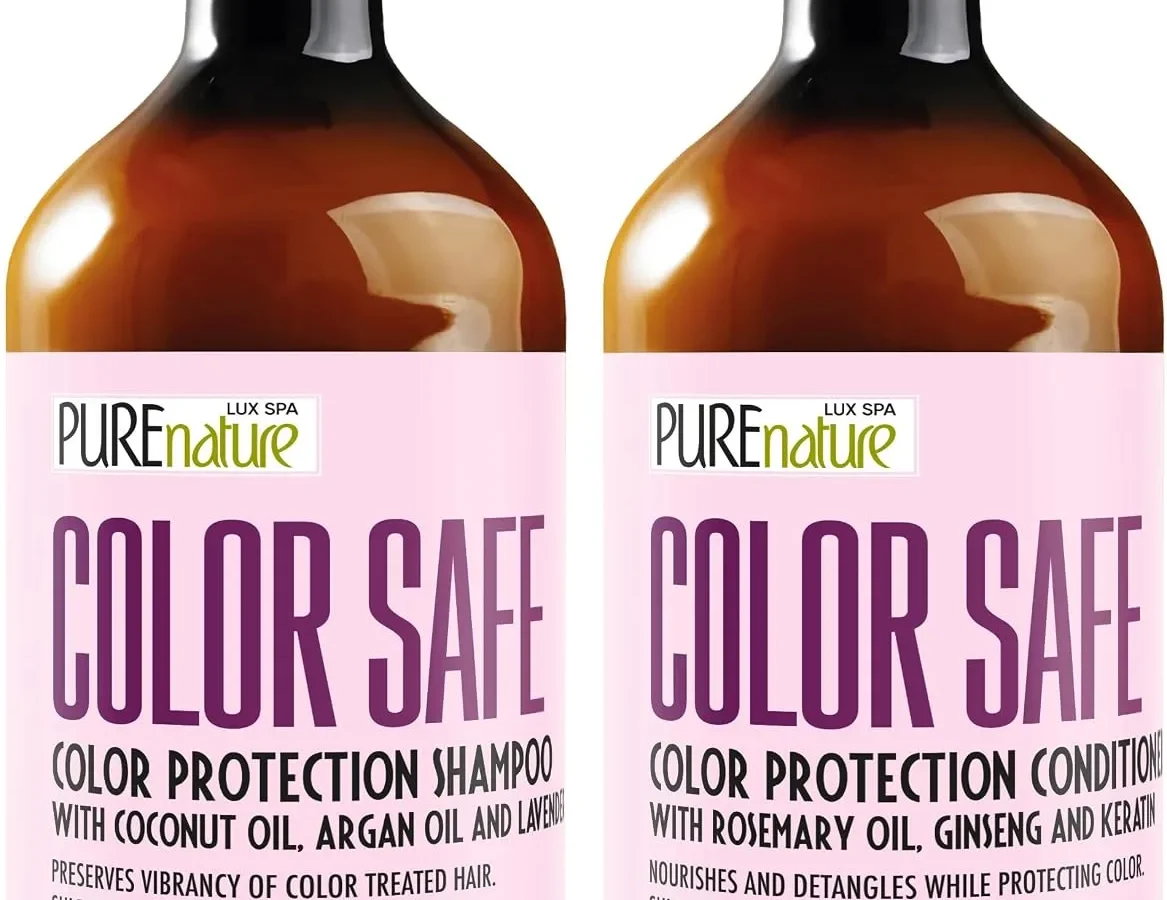
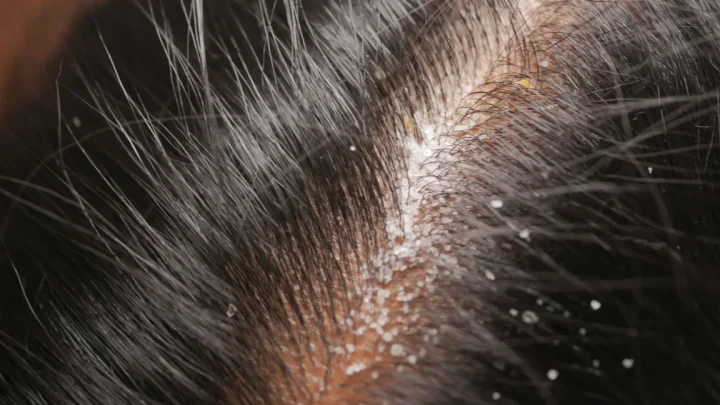
Figuring out how to choose shampoo for color treated hair usually starts after you watch your expensive dye job fade in the shower. The wrong formula strips pigment fast. The right one keeps your cuticle sealed and your color locked in.
We've broken down exactly what to look for based on your specific hair type.
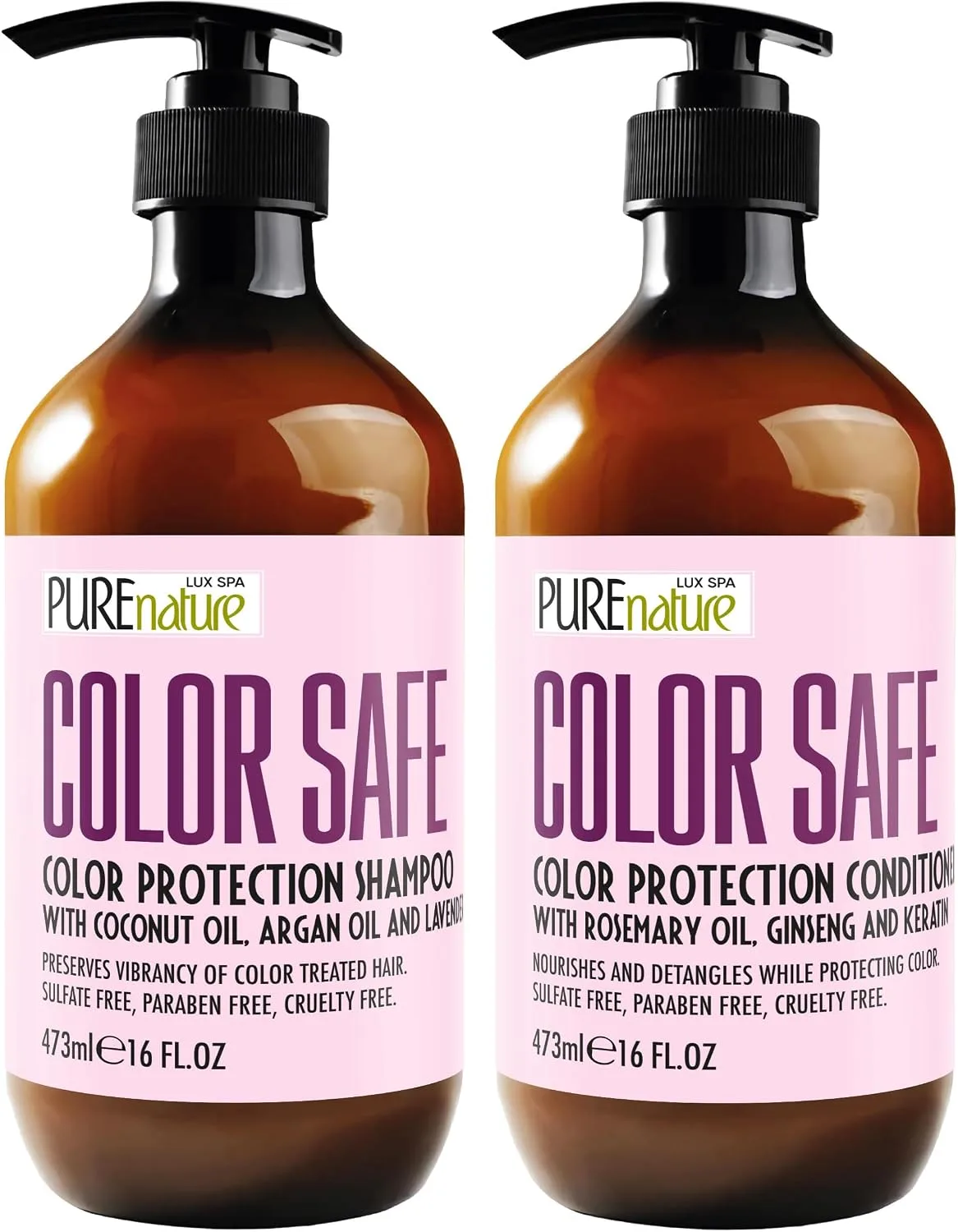
Image source: Bing (Web (fair-use with source credit))
Research published in the International Journal of Trichology confirms that alkaline shampoos swell the hair shaft and leach artificial dye molecules. You need a formula matched to your color process, porosity, and local water quality. Let's map out your exact wash routine.
Quick Answer
Choosing the right shampoo depends on your hair color. Sulfate-free formulas protect dyed strands. Acidic pH levels keep the cuticle sealed.
Match the product to your specific needs. This prevents rapid fading and damage.
Why Your Color Fades (And How the Wrong Shampoo Speeds It Up)
Artificial hair dye doesn't just sit on top of your strands. Oxidative dyes penetrate the cortex, which is the inner layer of the hair shaft. Bleaching forces the cuticle open so those molecules can get inside.
That process permanently changes your hair structure.
Every time you wash your hair, water causes the fiber to swell. If your shampoo has a high pH or harsh surfactants, the cuticle stays propped open. Dye molecules literally wash down the drain.
Red dye molecules are the largest and escape the fastest.
Standard drugstore shampoos often rely on sodium lauryl sulfate (SLS) or sodium laureth sulfate (SLES). These anionic surfactants create a thick lather but strip natural lipids aggressively. Per FDA cosmetic labeling regulations, manufacturers must list these ingredients in descending order of concentration.
If sulfates sit near the top, expect faster fading.
Hard water makes this worse. Calcium and magnesium ions bind to the hair shaft and create a mineral crust. That buildup blocks moisture and makes color look dull or muddy.
Our research shows that chelating agents like Tetrasodium EDTA or Sodium Phytate are mandatory if you live in a hard water region.
The Decision Tree: Choosing Your Shampoo Based on Hair Color and Porosity
Picking a shampoo isn't a one-size-fits-all situation. Use this workflow to find your match. Start with your color category, then factor in your hair texture.
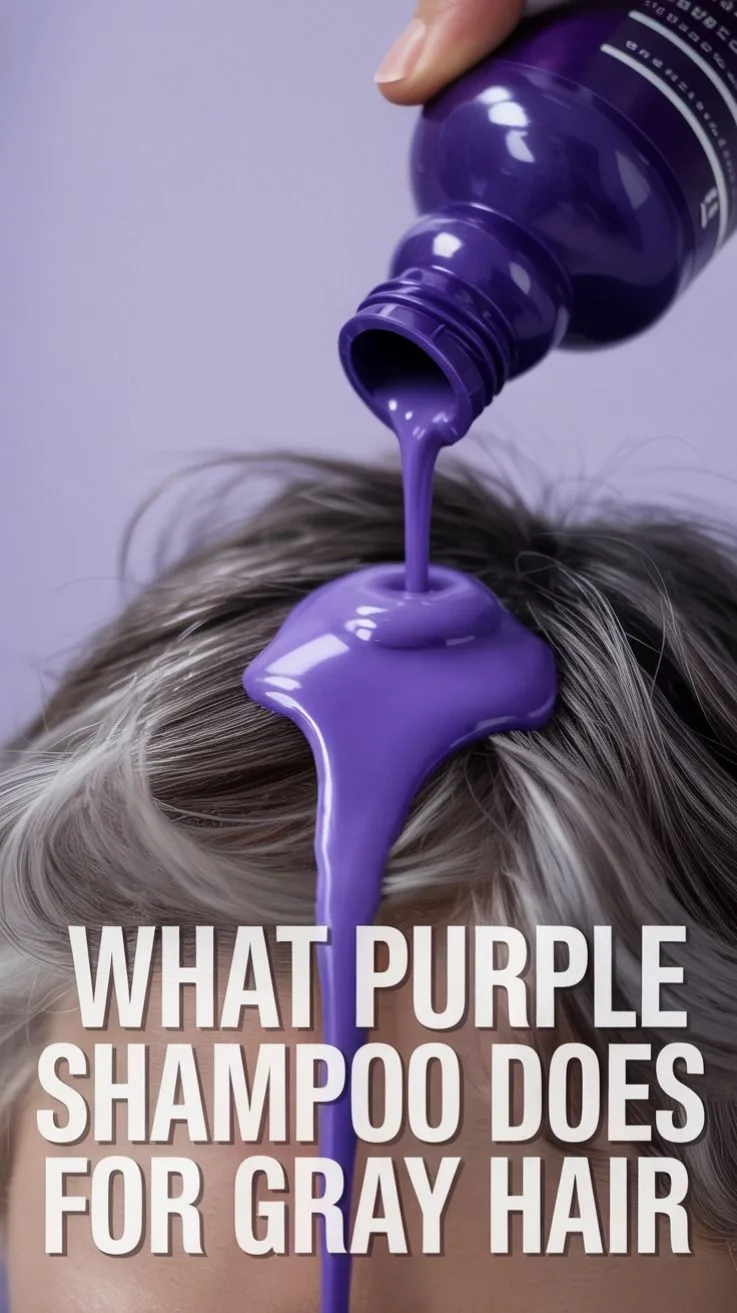
Image source: Web (Bing) / pinterest.com (Web image (fair-use with source credit))
Branch 1: Bleached, Platinum, or Highlighted Blonde
If your hair is lightened, it lacks underlying warm pigments. Brassiness happens when pale yellow tones peek through. You need a purple shampoo to neutralize that yellow.
Purple sits opposite yellow on the color wheel.
Don't use it every single wash. Over-toning leaves fine blonde hair looking gray or slightly violet. Alternate a gentle bond-building shampoo with your purple formula.
If your hair feels gummy when wet, prioritize bond repair over toning immediately.
Branch 2: Red, Copper, or Vivid Fashion Colors
Red and copper dyes fade faster than any other shade. Those massive dye molecules slip out of swollen hair easily. If you have vivid color, avoid clarifying shampoos completely.
They will strip your color in one wash.
Choose a highly acidic, sulfate-free daily shampoo. Look for UV filters like Benzophenone-4 on the ingredient list. Sun exposure oxidizes red pigment rapidly.
A color-depositing shampoo used once a week helps pack faded pigment back into the cuticle.
Branch 3: Dark Brunette or Balayage
Dark hair rarely fades as obviously as blonde or red. But warm orange undertones eventually surface. If you have dark brunette hair with balayage, use a blue shampoo instead of purple.
Blue cancels out orange brassiness.
If your ends are heavily lightened but your roots are dark, apply your regular color-safe shampoo to the roots. Only pull the blue or purple shampoo through the mid-lengths and ends. This prevents your natural dark roots from taking on an ashy cast.
Branch 4: Fine vs. Coarse Texture and Porosity Levels
Porosity dictates how fast your hair absorbs and loses moisture. High-porosity hair has a lifted, damaged cuticle. It drinks up protein but loses water instantly.
Low-porosity hair has a tightly sealed cuticle that repels heavy products.
| Hair Type | Best Surfactant Base | Key Additives | Avoid |
|---|---|---|---|
| Fine, color-treated | Cocamidopropyl Betaine | Panthenol, lightweight humectants | Heavy silicones, shea butter |
| Coarse, color-treated | Decyl Glucoside | Hydrolyzed Keratin, Argan oil | Strong sulfates, drying alcohols |
| High porosity | Amphoteric blends | Citric acid complexes, proteins | Pure moisture masks without protein |
| Low porosity | Gentle anionic | Glycerin, water-soluble silicones | Dimethicone, heavy oils |
If you have fine hair, heavy emollients will flatten your volume. Stick to amphoteric surfactants that clean without weighing you down. Coarse hair needs richer non-ionic cleansers paired with hydrolyzed wheat protein to maintain elasticity.
Reading the Bottle: Surfactants, pH, and Ingredients That Actually Matter
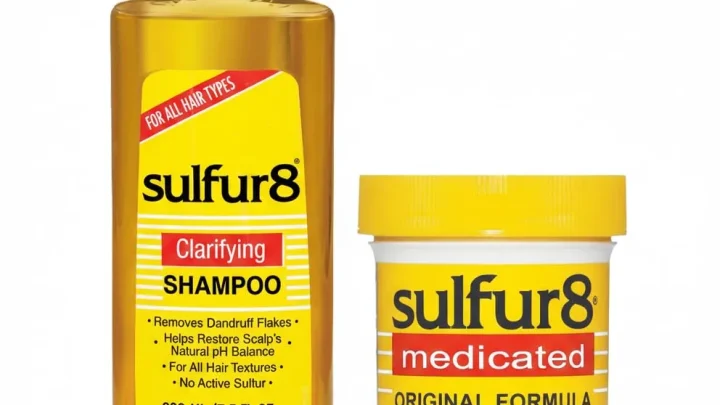
Marketing terms like "color-safe" aren't legally regulated by the FDA. You have to read the actual ingredient list. The surfactant system and the pH level matter more than anything else printed on the bottle.
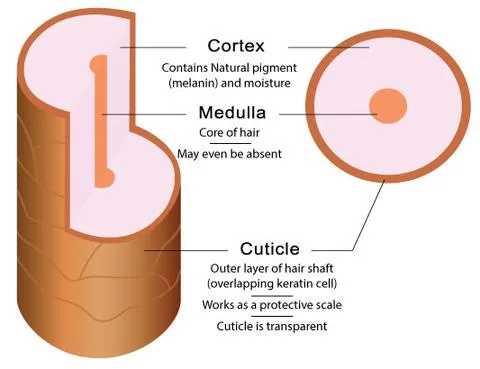
Image source: Bing (Web (fair-use with source credit))
Surfactants are the cleansing agents that lift dirt and oil. Anionic surfactants like SLS are strong but damaging to processed hair. Amphoteric surfactants like Cocamidopropyl Betaine are much milder.
Non-ionic options like Decyl Glucoside offer the gentlest clean available.
The pH level determines whether your cuticle stays flat or lifts open. Healthy hair sits around 4.5 to 5.5 on the pH scale. Research from the Society of Cosmetic Chemists highlights that alkaline products above pH 7 cause severe cuticle swelling.
Always choose acidic bonding shampoos for chemically treated hair.
Silicones get a bad reputation, but they serve a purpose. Dimethicone coats the hair heavily and causes buildup over time. Amodimethicone targets damaged areas specifically without stacking up endlessly.
Water-soluble silicones like Cyclomethicone evaporate or rinse away cleanly.
Bond-repair ingredients changed the market entirely. Bis-Aminopropyl Diglycol Dimaleate actively relinks broken disulfide bonds caused by bleach. Citric acid and citrate complexes reinforce weakened bonds in the cortex.
Manufacturer specifications confirm these technologies reduce breakage significantly during washing.
Watch out for hidden drying agents. Short-chain alcohols like denatured alcohol flash-dry the hair shaft. Humectants like glycerin pull moisture from the air, which is great in humid climates but disastrous in arid winter weather.
Match your ingredients to your local environment.
Building Your Wash Workflow: The 72-Hour Rule, Water Temp, and Rotation Schedules
Buying the right shampoo only solves half the problem. How you actually wash your hair dictates how long your color lasts. Technique matters just as much as chemistry.
Wait at least 72 hours after your salon appointment before your first wash. Oxidative dyes need that time to fully settle and oxidize within the cortex. Washing too soon interrupts the chemical process and flushes out unsealed pigment.
Aggregate user reviews consistently show longer color retention when clients follow this waiting period.
Water temperature controls the cuticle directly. Hot water forces the cuticle scales wide open. Cold water shocks the scalp and doesn't effectively dissolve sebum.
Use lukewarm water to cleanse the scalp, then finish with a cool rinse to snap the cuticle shut.
Double cleansing works well if you use styling products or dry shampoo. Apply a small amount of your gentle daily shampoo directly to the scalp first. Massage it in to break down oils.
Rinse, then apply a second smaller amount. Let the suds run passively down the lengths without scrubbing the fragile ends.
You shouldn't use the same shampoo every single wash day. Build a rotation schedule based on your needs. Here is a standard weekly workflow for most color-treated hair:
- Wash 1: Bond-repair or gentle daily sulfate-free shampoo. Focus purely on hydration and structural support.
- Wash 2: Toning shampoo (purple or blue) left on for three to five minutes. Use this only if brassiness appears.
- Wash 3: Chelating shampoo if you swim frequently or live with hard water. Follow immediately with a deep conditioner.
Limit your washing to two or three times per week maximum. On off days, use a dry shampoo at the roots if needed. Every time you wet your hair, the fiber swells and stresses the dye molecules.
Less water contact means longer-lasting color.
Pre-wash detangling prevents mechanical damage. Wet, color-treated hair stretches and snaps easily. Gently brush your hair before stepping into the shower.
If your ends are extremely porous, apply a lightweight pre-shampoo oil to protect them from surfactant stripping.
Common Mistakes That Strip Your Color (Even With "Color-Safe" Labels)
A "color-safe" label doesn't guarantee your dye will survive the wash. Many formulas still rely on heavy silicones or hidden drying alcohols that wreck processed hair over time. Reading the ingredient list is the only way to know for sure.
Using a clarifying shampoo weekly sounds like good hygiene. For color-treated hair, it's usually a disaster. Clarifiers use strong surfactants designed to strip everything from the cuticle, including your expensive toner.
Reserve them strictly for removing hard water minerals or chlorine buildup.
Co-washing skips traditional shampoo entirely and uses a cleansing conditioner instead. This works beautifully for thick, curly textures. If you have fine bleached hair, co-washing leaves behind a heavy residue that blocks light reflection.
Your color ends up looking flat and muddy within days.
Leaving purple shampoo on too long causes over-toning. Three to five minutes is plenty for most blonde hair. Leave it on for twenty minutes and your platinum strands turn a dull violet.
Always set a timer when using any color-depositing formula.
Scrubbing your ends like you're washing laundry destroys fragile strands. Bleached ends lack structural integrity and snap under friction. Apply your lather at the scalp and let the runoff clean the lengths passively.
Verified buyer feedback consistently links gentle application to significantly less breakage.
Ignoring your local water supply is another major oversight. Hard water deposits calcium directly onto the hair shaft. If you don't use a chelating agent periodically, those minerals oxidize and turn blonde hair brassy green.
A simple shower filter helps, but it doesn't replace proper chemistry.
Finally, assuming all sulfate-free shampoos are identical leads to bad results. Some swap sulfates for equally harsh alternatives like olefin sulfonate. Check the actual surfactant system rather than just trusting the front of the bottle.
As of 2026, cosmetic chemists continue refining gentler cleansing agents specifically for dyed hair.
Frequently Asked Questions
How often should you wash color treated hair?
Wash your hair two to three times per week maximum. Every wash swells the hair fiber and releases artificial dye molecules. Use dry shampoo between washes to manage oil at the roots.
Less water contact directly translates to longer-lasting color vibrancy.
Is sulfate free shampoo always better for dyed hair?
Sulfate-free formulas are generally gentler, but they aren't automatically perfect. Some brands replace sulfates with other strong cleansers like sodium C14-16 olefin sulfonate. Always check the specific surfactant base.
Amphoteric or non-ionic cleansers offer the safest wash for processed strands.
Can you use regular shampoo on highlighted hair?
Regular shampoos typically contain high pH levels and harsh anionic surfactants. These ingredients force the cuticle open and flush out toner rapidly. Highlighted hair needs an acidic, gentle formula to keep the cuticle sealed.
Switching to a dedicated color-care product prevents premature fading.
Why does red hair dye fade so fast in the shower?
Red dye molecules are physically larger than brown or blonde pigments. They struggle to penetrate deeply into the cortex during processing. Because they sit closer to the surface, water easily washes them away.
Acidic shampoos help lock the cuticle down over these oversized molecules.
Does hard water ruin color treated hair?
Hard water contains high levels of calcium and magnesium ions. These minerals bind to the hair shaft and create a dull crust. On blonde hair, this buildup often oxidizes into a brassy green tint.
Using a chelating shampoo once a week removes these deposits safely.

Similar Posts