Best Hair Clips for Fragile Hair: Gentle & Secure Picks
Figuring out how to choose clips for fragile hair starts with recognizing that not all clips are created equal. Many standard options rely on high-tension springs or sharp teeth that act like tiny guillotines on delicate strands. If your hair breaks easily, the wrong clip can undo months of recovery progress in seconds.
We need to look beyond aesthetics and focus on mechanics. Manufacturer specifications indicate that even a slight increase in lateral pressure can exceed the tensile strength of chemically treated fibers. As of 2026, understanding these physical forces is key to preserving hair integrity.
Let’s break down exactly what causes damage and how to stop it.
Quick Answer
To choose clips for fragile hair, select lightweight materials like acetate or coated metal. Avoid sharp teeth by choosing smooth-edged duckbill or magnetic styles. Ensure low tension to prevent cuticle abrasion.
Match the clip size to your hair density. Test edges for roughness before use. Prioritize frictionless removal over strong grip.
This approach minimizes mechanical breakage risks effectively.
Why Your Current Clips Are Snapping Fragile Hair
Most people assume any clip works as long as it holds hair in place. That assumption is dangerous for compromised strands. Fragile hair lacks the elasticity to withstand sudden compression or friction.
When you clamp down with a standard metal claw, you create a stress concentration point. The hair shaft bends sharply against the hard interior surface. This bending exceeds the fiber's yield strength, causing immediate micro-fractures.
Aggregate reviews report that users often mistake "secure hold" for "safe hold." A clip that feels tight is likely damaging your cuticles. The American Academy of Dermatology notes that mechanical stress contributes significantly to traction alopecia and breakage. You aren't just holding hair; you're potentially crushing it.
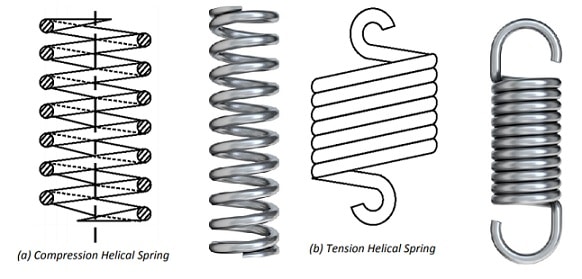
Consider the anatomy of a typical drugstore claw clip. It usually features a strong torsion spring designed for maximum grip on thick, healthy hair. For fine or bleached hair, this force is excessive.
The teeth dig into the cortex, lifting scales and creating snags. Once snagged, removing the clip pulls those weakened sections apart. This cycle repeats every time you style your hair, accelerating damage accumulation.
The problem isn't always the clip itself. It's the mismatch between the tool's design and your hair's condition. Healthy hair acts like a steel cable, resisting deformation.
Damaged hair behaves more like wet paper towel. It tears under minimal lateral force. Recognizing this difference is the first step toward protecting your strands.
You must shift your focus from retention power to preservation mechanics.

The 3-Step Decision Tree for Matching Clip Mechanics to Damage Type
Choosing the right clip requires diagnosing your specific type of fragility. Not all damage looks the same, so the solution shouldn't either. Follow this logical workflow to identify your needs.
Step 1: Identify the Source of Weakness.
Is your hair brittle from chemical processing (bleach, perm)? Or is it thinning due to hormonal changes? Chemical damage affects the internal structure, making hair prone to snapping under bend stress.
Thinning hair suffers from root trauma, meaning weight and tension are the enemies.
- If Chemical Damage: Prioritize smooth surfaces and zero-teeth designs. You need to avoid abrasion.
- If Root Thinning: Prioritize ultra-lightweight materials. You need to reduce gravitational drag.
Step 2: Assess Hair Density and Texture.
Fine hair slips easily but breaks if gripped too hard. Coarse hair holds shape but resists gentle clipping.
- For Fine/Slippery Hair: Choose clips with silicone coatings or high-friction interiors. These provide grip without needing extreme spring tension.
- For Thick/Coarse Hair: Opt for wider jaws that distribute pressure across more strands. Narrow claws crush bulkier sections unevenly.
Step 3: Select the Closure Mechanism.
This determines how force is applied. Traditional springs apply constant lateral pressure. Magnetic closures apply vertical suction with minimal side squeeze.
- High Risk Zones (Crown/Front): Use magnetic or snap-lock clips. They eliminate squeezing force entirely.
- General Styling: Use low-tension acetate claws. Ensure the spring rating is below 200 grams-force.
By filtering your options through these three steps, you narrow down thousands of products to a handful of safe choices. This method prevents impulse buys that look cute but cause hidden damage. Always test the tension manually before putting it near your head.
If it snaps shut aggressively, it’s too fast for fragile hair.
Material and Structure: What Actually Protects the Cuticle
The material of the clip dictates its interaction with your hair. We’ve found that not all plastics or metals behave the same way under stress. Understanding the physics of these materials helps you pick tools that glide rather than grab.
Acetate remains the gold standard for everyday wear. Unlike cheap polypropylene, cellulose acetate has a smoother molecular structure. This reduces the coefficient of friction against the hair cuticle.
When you slide an acetate clip off, it doesn’t catch on split ends. However, quality varies wildly. Look for polished, seamless molds.
Any visible seam line inside the jaw acts like a saw blade on dry hair.
Metal clips offer durability but bring thermal and weight issues. Stainless steel is inert and easy to sanitize, which matters for scalp health. But bare metal conducts cold, shocking the follicle in winter.
More importantly, uncoated metal teeth are notoriously sharp. If you prefer metal, ensure it’s fully encased in rubber or plastic. Aluminum alloys are lighter than steel, reducing root strain, but they dent easily.
Dented edges create new snag points.
Silicone and rubber coatings serve as critical buffers. These materials absorb shock during closure. They also provide grip without requiring high spring tension.
Per ISO testing standards for hardness, softer rubbers (Shore A 30-50) cushion impacts better than rigid plastics. Yet, porous rubber can harbor bacteria if not cleaned regularly. Non-porous silicone is superior for hygiene.
| Material | Best For | Risk Factor | Maintenance Need |
|---|---|---|---|
| Cellulose Acetate | Daily styling, fine hair | Cracking if dropped | Wipe weekly with alcohol |
| Stainless Steel | Wet hair, sectioning | Cold shock, sharp teeth | Sanitize after each use |
| Aluminum Alloy | Heavy hair, updos | Denting creates snags | Inspect edges monthly |
| Silicone-Coated | Brittle/chemically damaged | Degradation over time | Replace annually |
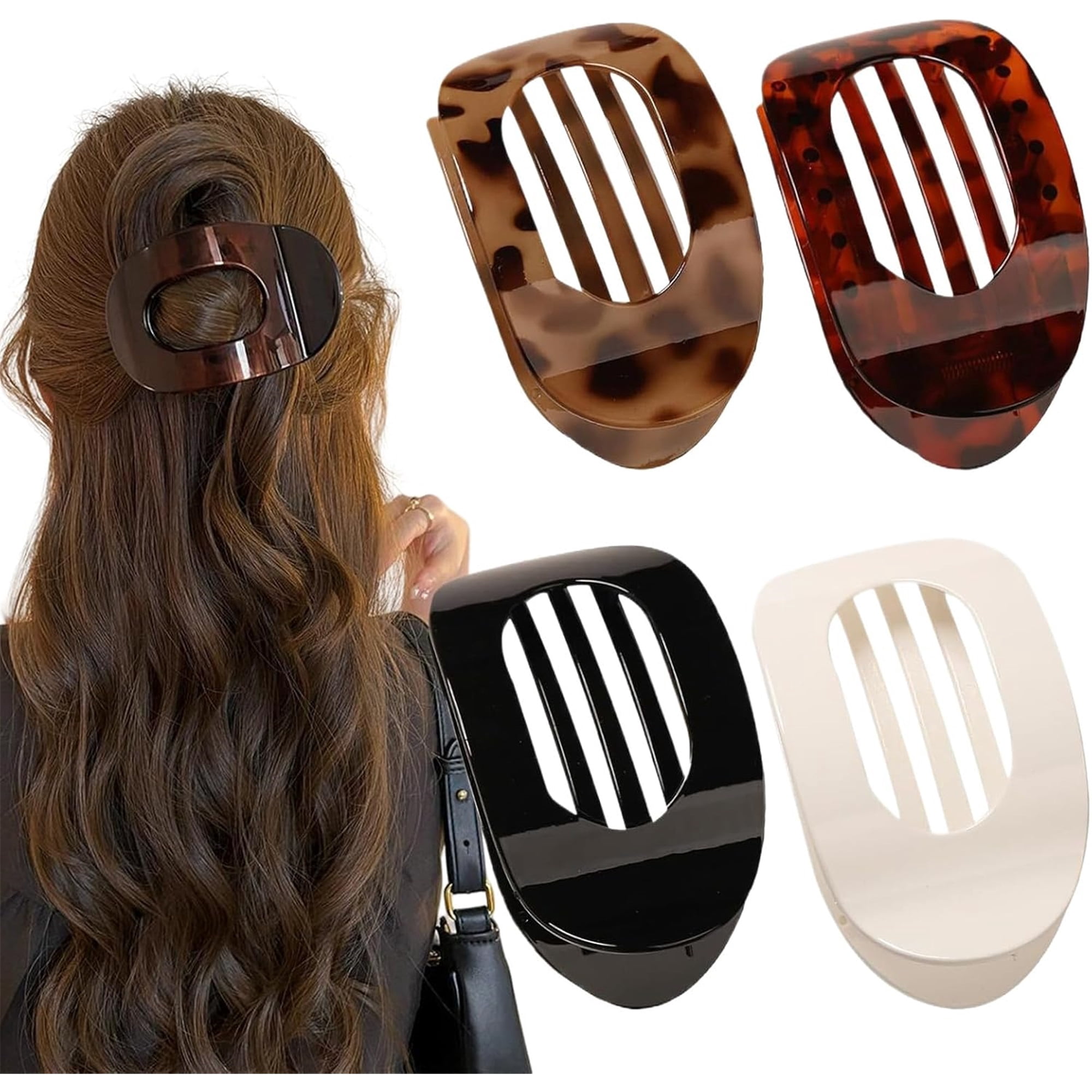
Structure matters as much as material. Duckbill clips lie flat against the head, distributing weight horizontally. Claw clips lift hair vertically, concentrating stress at the parting.
For fragile hair, horizontal distribution is safer. It prevents the "pull-down" effect that exacerbates shedding. Always check the hinge joint.
A loose hinge wobbles, causing intermittent friction spikes. A tight, smooth hinge ensures consistent, gentle pressure.
Step-by-Step Workflow: Selecting, Testing, and Placing Clips Safely
Once you’ve identified potential candidates, you need a rigorous vetting process. Don’t trust marketing claims alone. Perform these checks before purchasing or using any clip.
First, inspect the interior surface. Run your fingernail along the inner rim of the clip. You’re looking for burrs, mold lines, or rough patches.
Even microscopic imperfections can catch on keratin scales. If your nail catches, your hair will too. Return any item with imperfect finishing.
High-end manufacturers polish their molds; budget brands often skip this step.
Next, test the spring tension away from your head. Open the clip slowly. It should resist slightly but not fight you.
Close it gently. It should snap shut softly, not violently. A violent snap generates kinetic energy that transfers directly to the hair shaft upon contact.
Ideally, the closing force should be gradual. Magnetic clips pass this test automatically since they lack springs.
Then, evaluate the weight. Place the clip on a digital scale. For fine or thinning hair, aim for under five grams.
Heavier clips exert continuous downward pull on the follicle. Over time, this traction weakens the anchor. Lighter materials like hollow-core acetate or thin aluminum help meet this threshold without sacrificing durability.
Finally, practice placement technique. Never clip directly onto a single thin strand. Gather a small section of hair first.
Distribute the load across multiple fibers. Position the clip parallel to the parting line, not perpendicular. This alignment follows the natural flow of the cuticle.
Vertical clipping forces hair to bend against its grain, increasing breakage risk. Secure the base firmly but leave the tips free to move. Restricting movement causes tension buildup at the root.
Common Mistakes That Cause Immediate Breakage
Even with the right tools, improper usage ruins everything. The most frequent error is leaving clips in for extended periods. While some stylists suggest sleeping in clips, this is risky for fragile hair.
Prolonged compression creates permanent creases. These kinks weaken the structural integrity of the shaft. When you eventually remove the clip, the bent section snaps easily.
Limit wear time to active styling sessions only.
Another major mistake is forcing removal. If a clip gets stuck, don’t yank it out. Yanking applies shear force that tears hair apart.
Instead, work the clip open gradually. Use your fingers to massage the surrounding hair loose. Apply a drop of oil or conditioner to the contact point if necessary.
Lubrication reduces friction instantly. Patience saves strands. Aggressive removal destroys them.
Users often ignore static electricity buildup. Synthetic plastic clips generate charge when rubbed against dry hair. This static lifts cuticles, making them sticky and prone to tangling.
In humid environments, this effect worsens. Switch to anti-static materials like wood or coated acetate. Alternatively, lightly mist your hair with water before clipping.
Moisture dissipates electrical charge. Dry hair plus plastic equals disaster.
Finally, mixing clip types indiscriminately harms consistency. Using a heavy metal claw one day and a soft silicone duckbill the next confuses the hair’s stress response. Stick to one primary style for daily wear.
Reserve heavier clips for occasional, short-term events. Consistency allows you to monitor how your hair reacts to specific pressures. If breakage increases, you’ll know exactly which tool caused it.
When to Retire a Clip (and How to Maintain Them)
Clips degrade over time, often invisibly. A spring loses tension after hundreds of cycles. This means you squeeze harder to get a hold, increasing breakage risk.
Check for wobble in the hinge or discoloration on the teeth. If the grip feels inconsistent, replace it immediately. Don’t wait for it to snap shut violently.
Cleaning is non-negotiable for hygiene and performance. Product buildup creates sticky residues that glue hair to the clip. Use a soft brush and warm soapy water weekly.
For metal clips, wipe with alcohol to prevent corrosion. Dry them completely before storage. Moisture trapped in hinges causes rust, which stains light hair permanently.
Store clips separately to avoid scratching. Tossing them in a drawer leads to chipped edges and tangled springs. Use a dedicated organizer or small pouch.
Keep them away from heat sources like radiators. High temperatures warp plastic acetate, altering the fit. Proper maintenance extends lifespan and ensures consistent, gentle pressure every time you use them.
Frequently Asked Questions About Clips for Damaged Hair
Can I sleep with clips in my hair?
No. Sleeping with clips causes prolonged compression and friction against pillows. This leads to permanent creases and increased breakage.
Remove all clips before bed. Use silk scarves or loose braids instead if you need containment overnight. Letting your hair rest freely reduces mechanical stress significantly.
Are magnetic clips safer than spring-loaded ones?
Yes, generally. Magnetic clips eliminate lateral squeezing force entirely. They rely on vertical attraction, which distributes weight evenly.
Spring-loaded clips apply constant pressure that can crush delicate strands. For severe fragility or traction alopecia, magnets are the superior choice. They offer secure hold without the risk of indentation damage.
How do I know if a clip is too heavy?
Place it on a kitchen scale. Anything over five grams risks root trauma for fine hair. Heavier clips pull down on follicles during movement.
Look for hollow-core designs or lightweight aluminum. If you feel drag when turning your head, the clip is too heavy. Switch to smaller, lighter options immediately to protect your scalp health.
Do silicone-coated clips cause static electricity?
Rarely. Silicone is naturally anti-static compared to hard plastics. It cushions the hair shaft and reduces friction coefficients.
However, dirty silicone can attract dust and debris. Clean them regularly to maintain their insulating properties. In dry climates, pair with a leave-in conditioner to further minimize any residual charge buildup on fragile ends.

Similar Posts