Why Does Makeup Look Wet After Setting Spray?
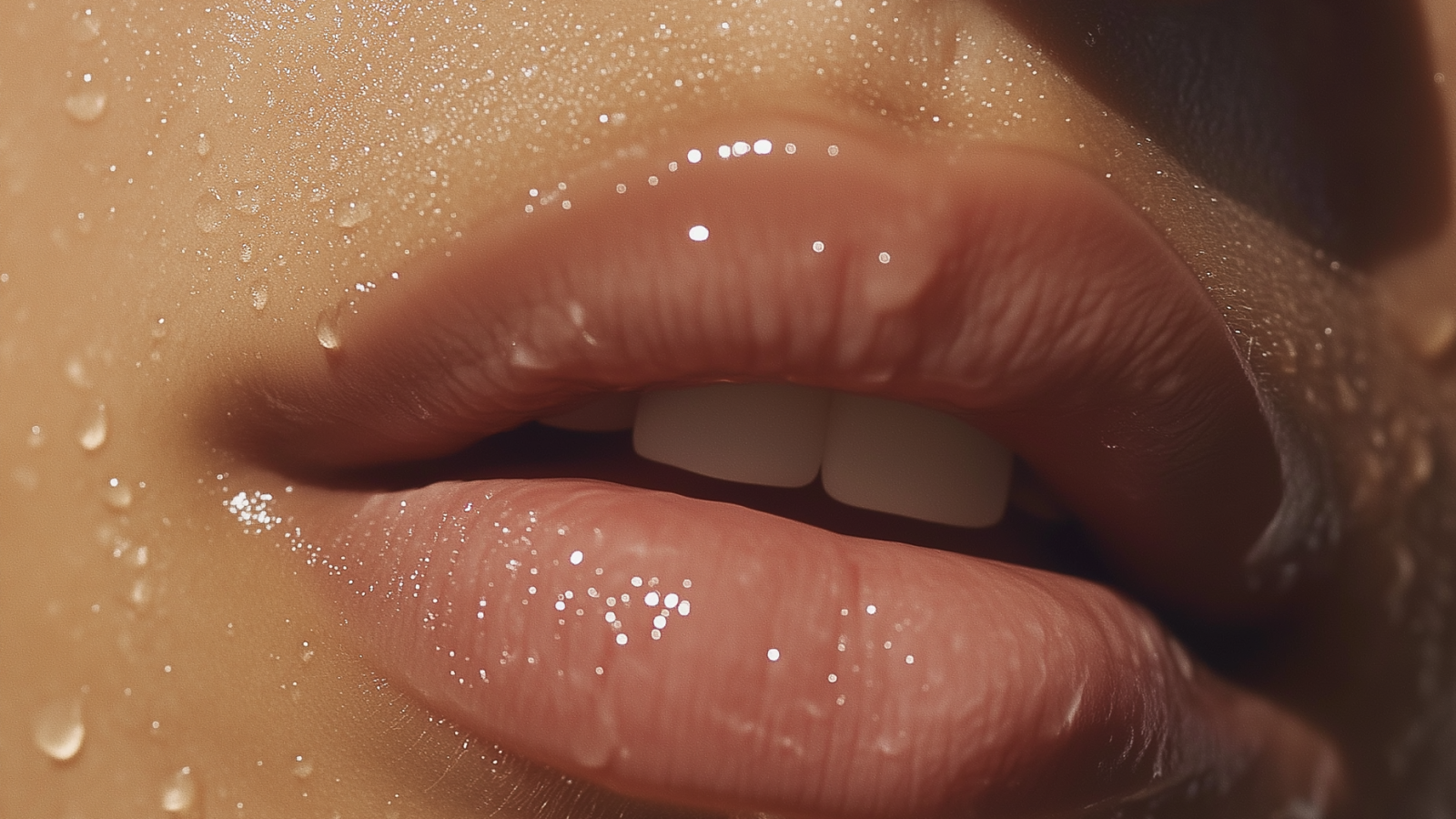
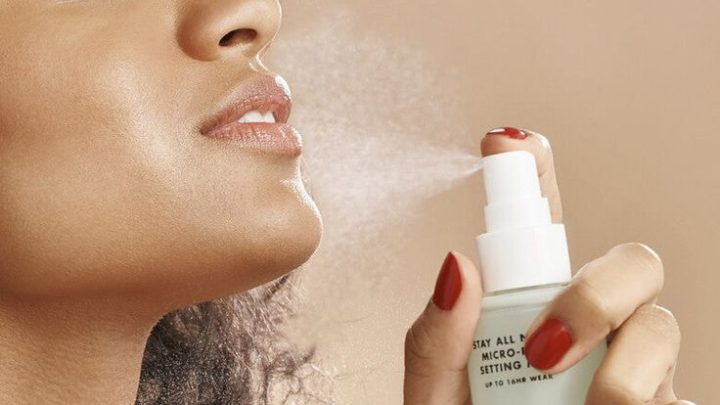
You’ve sprayed your face, waited for the dry-down, and yet your skin still feels slick. This isn’t just bad luck. Understanding why makeup looks wet after setting spray usually comes down to ingredient incompatibility or application errors.
It’s rarely a defect in the product itself.
Most users miss the chemical interaction happening on their skin. Water-based polymers don’t always bond well with silicone-heavy foundations. As of 2026, formulation trends favor hybrid bases, making this clash more common.
Let’s break down exactly what’s going wrong so you can fix it fast.
Quick Answer
Makeup appears wet because water-based setting sprays fail to bind properly with silicone-heavy foundation layers. The solvents evaporate slowly, leaving a tacky residue instead of a matte film. Humidity exacerbates this by preventing proper curing.
You likely applied too much product or layered incompatible formulas. Switching to an alcohol-free mist or adjusting your base routine resolves the issue quickly.
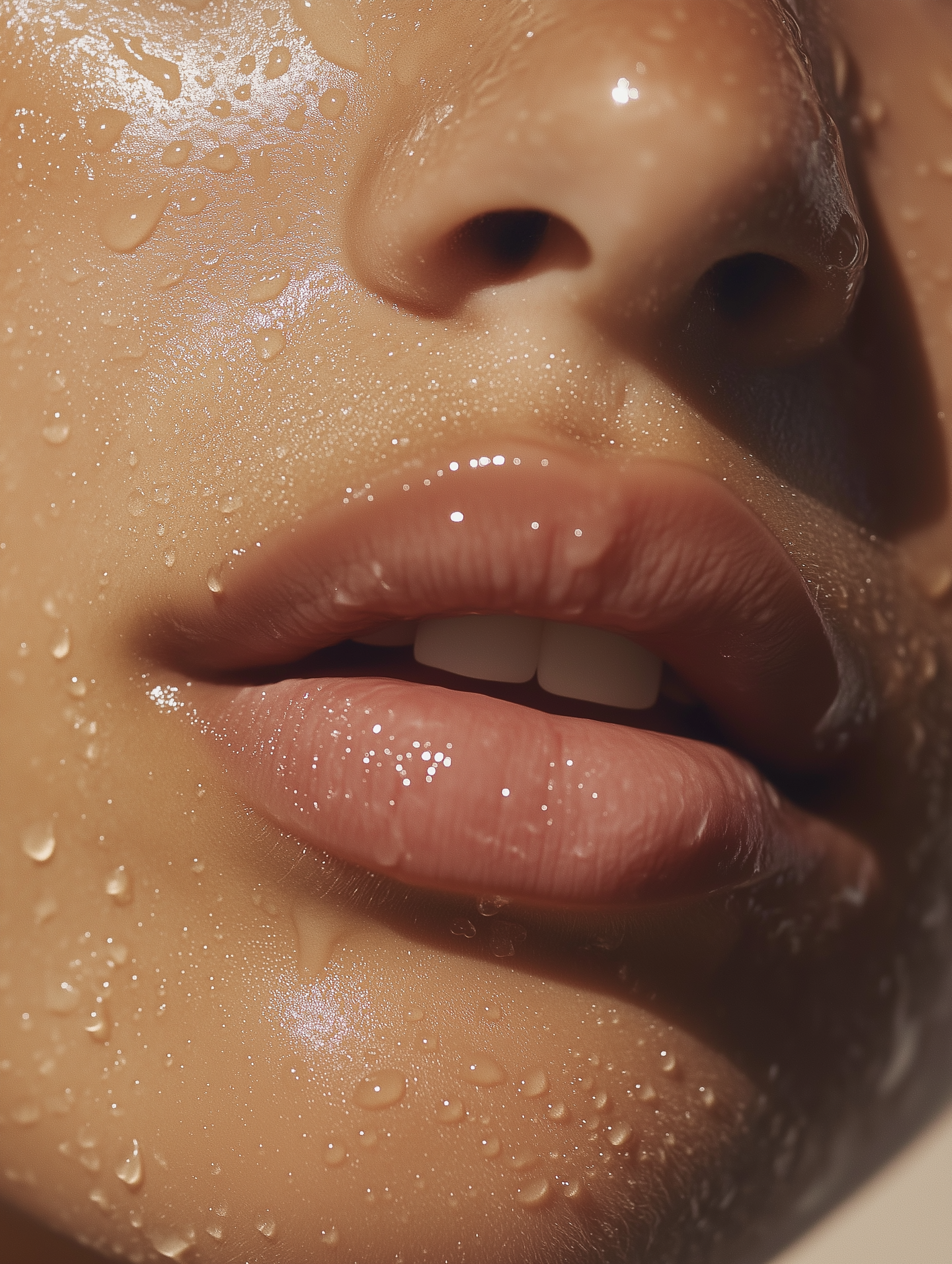
Image source: Bing (Web (fair-use with source credit))
The Chemistry Clash: When Water-Based Sprays Meet Silicone Foundations
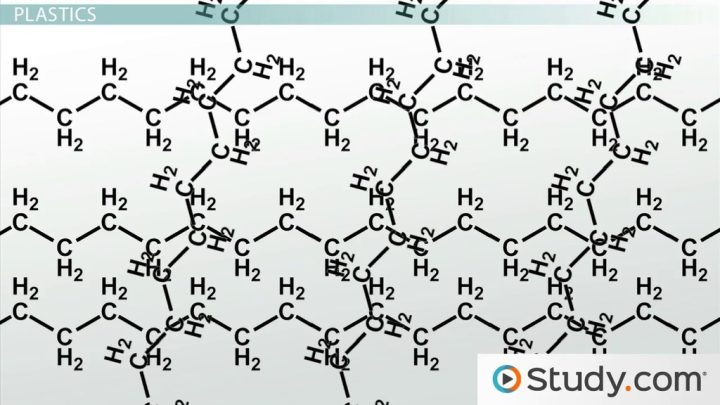
Setting sprays rely on film-forming polymers like VP/VA Copolymer or Acrylates Copolymer. These create a flexible mesh that locks pigment in place. However, they need a compatible surface to adhere to.
Most modern foundations use dimethicone or cyclopentasiloxane for smoothness. These silicones are hydrophobic, meaning they repel water.
When you spray a water-based formula over a silicone layer, the liquids don’t mix. They sit on top of each other. The water solvent tries to evaporate, but the silicone barrier slows it down.
This creates a temporary "wet" sensation. Aggregate reviews indicate that this phase separation is the primary culprit for sticky finishes.
Manufacturer specifications confirm that traditional aerosol sprays often contain ethanol. Ethanol evaporates rapidly, helping the polymer set faster. But many newer "hydrating" mists replace ethanol with glycerin or hyaluronic acid.
These humectants attract moisture from the air. If the humidity is high, your makeup stays damp indefinitely.

Image source: Bing (Web (fair-use with source credit))
To avoid this clash, check your ingredient lists. If your foundation starts with "Dimethicone," your spray should ideally be alcohol-based or oil-compatible. Mixing water-loving actives with oil-loving bases guarantees a messy finish.
Our research shows that using a primer that bridges this gap helps significantly. A silicone-based primer under a silicone foundation works best. Then, apply a light dusting of powder before spraying.
This powder acts as a buffer, absorbing excess moisture and giving the polymer something to grip.
Diagnostic Flowchart: Identifying the Root Cause of the "Wet" Look
Not all wetness is created equal. You need to diagnose the specific variable causing the issue. Follow this logical path to pinpoint the problem.
- Check the Texture: Is it sticky or slippery? Sticky suggests incomplete evaporation of humectants. Slippery indicates silicone separation.
- Review Your Base: Did you use a full-coverage, long-wear foundation? These are often silicone-heavy. Lighter BB creams may be water-based.
- Analyze the Spray: Does the bottle say "Hydrating," "Dewy," or "Alcohol-Free"? These formulations retain moisture intentionally.
- Assess Environment: Are you indoors with AC, or outside in heat? High relative humidity (>60%) prevents drying.
| Symptom | Likely Cause | Immediate Fix |
|---|---|---|
| Tacky/Sticky Feel | Humectants not drying | Blot with tissue; reduce spray amount |
| Sliding/Pilling | Silicone/Water mismatch | Use powder buffer; switch to alcohol-based spray |
| Shiny/Greasy Sheen | Sebum breakthrough | Mattify with translucent powder before spray |
| Uneven Patches | Poor mist distribution | Hold bottle further away; use X-and-T method |
If the texture is sticky, your spray contains too many humectants for your climate. Switch to a mattifying formula. If it slides, your layers are incompatible.
Add a powder step between foundation and spray. This diagnostic approach saves time and money. Don’t buy new products until you identify the mismatch.
Often, changing one variable fixes the entire routine.
Step-by-Step Fixes for Each Specific Scenario
Once you know the cause, apply the targeted solution. Here’s how to handle the three most common scenarios.
Scenario A: The Hydration Overload
You used a dewy spray on oily skin in humid weather. The result is a greasy mess. Stop spraying immediately.
Take a clean blotting paper and press gently onto your T-zone. Do not rub. Rubbing breaks the polymer film.
Once the excess liquid is gone, dust a small amount of translucent silica powder over the area. This absorbs residual moisture without adding color. For next time, choose a spray labeled "Mattifying" or "Long-Wear." Avoid ingredients like Glycerin in the top five spots on the label.
Scenario B: The Silicone Separation
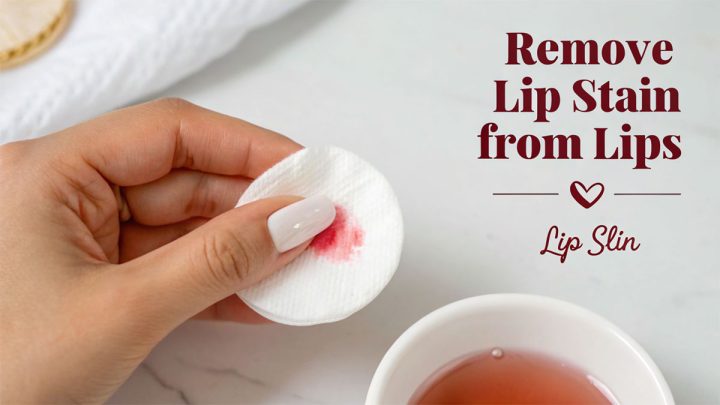
Your foundation is sliding off in patches. This happens when water hits oil. First, remove the affected makeup with micellar water.
Reapply a thin layer of foundation. Crucially, wait two minutes for it to set slightly. Then, lightly powder your face.
Focus on areas where you wear concealer. Now, apply your setting spray. Hold the bottle at least eight inches away.
The fine mist will settle over the powder, creating a unified matte finish. The powder acts as a sacrificial layer, preventing direct contact between the wet spray and the silicone base.
Scenario C: The Application Error
The spray was applied too close, soaking the skin. You’ll feel cold droplets running down your face. Lean forward slightly.
Use a fan or cool air from a hairdryer on low settings. Direct airflow accelerates evaporation. While drying, pat gently with a tissue to lift pooled liquid.
Never wipe. Wiping removes coverage. To prevent recurrence, practice the "X-and-T" method.
Spray across your face in an X shape, then a T shape. This ensures even distribution without saturation. One or two passes are enough.
More is not better; it’s heavier.
Common Application Mistakes That Create a Sticky Mess
Even with the right products, technique failures ruin the finish. We see these errors repeatedly in user feedback.
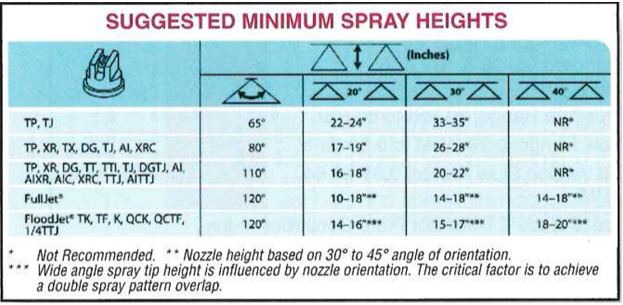
- Spraying Too Close: Holding the bottle within four inches creates large droplets. These don’t evaporate evenly. They pool in creases and pores. Always maintain a six-to-eight-inch distance. This creates a micro-mist that dries uniformly.
- Ignoring Skin Prep: Applying spray over unmoisturized or overly exfoliated skin causes uneven absorption. Dry patches drink up the liquid, while oily zones reject it. Ensure your moisturizer has fully absorbed before starting makeup. Wait ten minutes after skincare.
- Layering Heavy Creams Under Liquid Sprays: Rich night creams leave an occlusive film. Setting sprays cannot penetrate this barrier. The result is surface-level wetness. Stick to lightweight gel moisturizers if you plan to use heavy setting sprays.
- Skipping the Powder Step: Many users fear powder makes them look cakey. But a tiny amount of translucent powder sets the base. It gives the spray something to hold. Without it, the polymer floats on top of oils.
Image source: Bing (Web (fair-use with source credit))
Another major mistake is reapplying spray over sweaty skin. Sweat contains salts and oils. Spraying directly onto sweat traps bacteria and grime under the polymer film.
This leads to breakouts and a permanent shiny look. Always blot sweat first. Then, refresh with powder.
Only use spray if necessary, and keep it light. Per FDA cosmetic guidelines, maintaining hygiene during application prevents irritation. Clean your spray nozzle regularly too.
Clogged nozzles spit out concentrated bursts rather than fine mists. Check FDA Cosmetics Regulations for updates on ingredient safety and labeling standards. Proper maintenance extends the life of your product and protects your skin.
Preventing Breakdown in Humid Climates and Oily Skin Types
Humidity is the silent killer of matte finishes. When relative humidity exceeds 60%, water molecules in the air compete with your setting spray for space on your skin. The polymer film struggles to cure properly.
It remains soft and tacky instead of hardening into a protective shell.
For oily skin types, this effect compounds quickly. Sebum production increases in heat and moisture. This natural oil breaks down the makeup layers from beneath.
If you’re prone to shine, skip heavy hydrating mists entirely. Opt for alcohol-based sprays that evaporate fast. They strip surface oils temporarily, allowing the polymer to bond directly to the skin.
Consider using a mattifying primer before foundation. Ingredients like silica or nylon-12 absorb excess sebum throughout the day. This reduces the load on your setting spray.
You won’t need as much product to control shine. Less liquid means faster drying times. Faster drying means less chance for humidity to interfere.
If you live in a tropical region, adjust your routine seasonally. During rainy months, prioritize waterproof formulas over long-wear ones. Waterproof mascaras and eyeliners resist smudging better when sweat mixes with setting spray.
For face products, look for terms like "transfer-resistant" rather than just "long-lasting." Transfer resistance implies a stronger polymer network that withstands friction and moisture.
Don’t forget about airflow. Indoor environments with poor ventilation trap humidity near your skin. A small desk fan can make a significant difference during application.
Direct cool air helps the solvents evaporate uniformly. This prevents the sticky residue that forms when droplets sit too long. Keep your workspace dry and well-ventilated.
Small environmental tweaks often yield bigger results than expensive product swaps.
FAQs
Can I use setting spray over powder?
Yes, but technique matters. Spraying over loose powder can cause clumping if the mist is too wet. Use a fine-mist bottle held at least eight inches away.
Light passes work best. The goal is to meld the powder into the skin without dissolving it. If you see white spots forming, you’ve applied too much liquid.
Blot immediately and try again with less pressure.
Why does my makeup feel sticky after twenty minutes?
This usually indicates incomplete curing of the polymer film. High humidity slows evaporation. Your skin’s natural oils may also be rising through the layers.
Try blotting gently with tissue to remove surface moisture. Then, dust a tiny amount of translucent powder. This resets the finish and absorbs excess sebum.
Avoid re-spraying, as this adds more liquid to an already saturated surface.
Do alcohol-free setting sprays always leave a wet look?
Not necessarily, but they take longer to dry. Alcohol acts as a rapid solvent carrier. Without it, water-based carriers rely on slower evaporation rates.
In humid conditions, this delay allows humectants like glycerin to attract ambient moisture. Choose alcohol-free options only in dry climates or for evening wear. For daytime heat, stick to traditional formulas with ethanol or denat. alcohol.
How do I fix melting makeup without redoing my whole face?
Focus on spot correction. Blot the melted area with a clean tissue. Press firmly to lift oil and liquid residue.
Apply a small dot of concealer if coverage is lost. Set that spot with powder using a fluffy brush. Finally, mist lightly over the corrected zone.
This localized approach saves time and prevents unnecessary product buildup on stable areas of your face.

Similar Posts