Powder vs Setting Spray: The Right Way to Layer Them
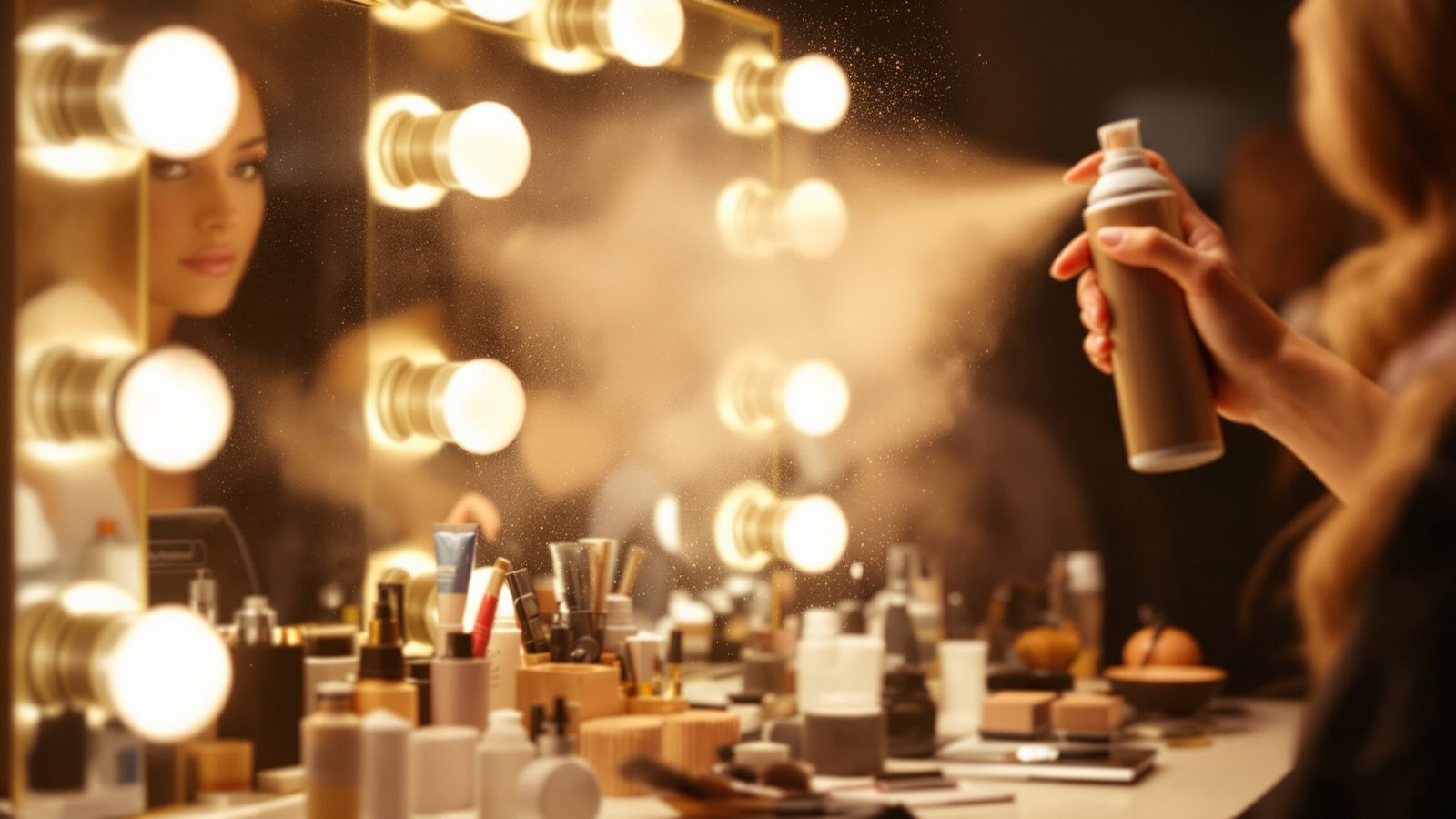
Figuring out how to layer powder and setting spray feels tricky because the order changes your entire finish. Most people guess wrong, resulting in cakey patches or makeup that slides off within hours. We’ve seen countless tutorials skip the crucial "why" behind each step, leaving you confused about which method suits your skin type.
The right sequence locks pigment in place while maintaining a natural texture. For instance, applying powder before foundation creates a barrier that prevents oils from breaking down your base too quickly. As of 2026, professional artists still rely on these fundamental principles for long-wear looks.
Let’s break down exactly what works visually and practically for different needs.
Quick Answer
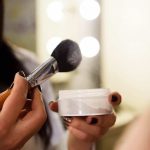
To layer correctly, apply foundation first. Then dust translucent powder on oily zones like the T-zone. Finally, mist setting spray over the whole face.
This order controls shine without causing dryness. Avoid spraying before powdering unless using the sandwich method for extreme longevity. Keep distances consistent for even coverage.
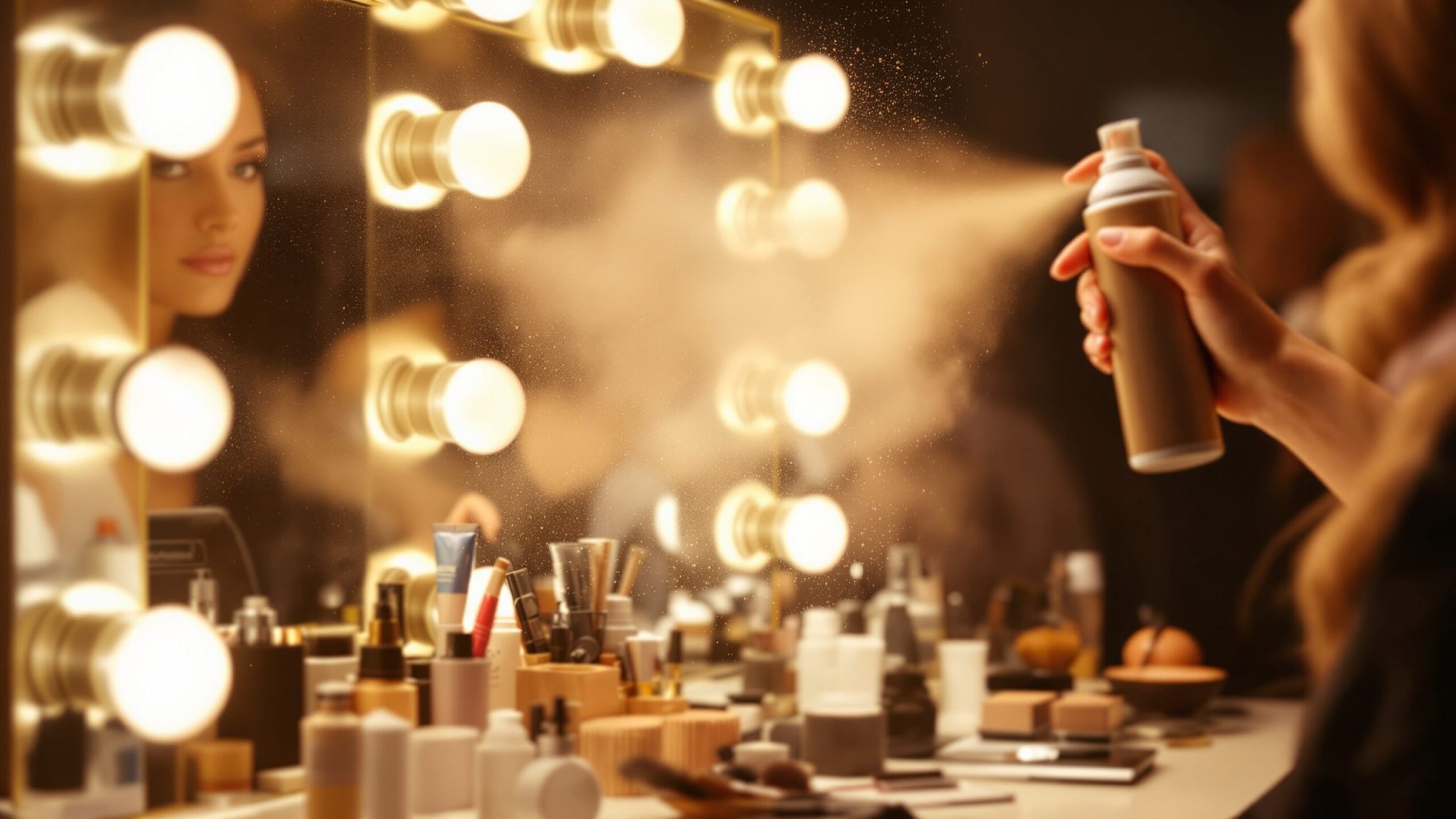
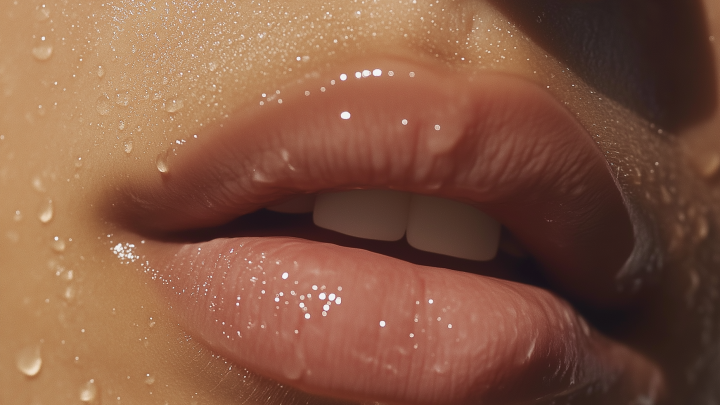
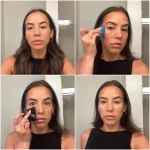
Image source: Web (Bing) / glossstreet.com (Web image (fair-use with source credit))
Why Your Powder and Spray Order Changes Everything
The interaction between liquid formulas and dry powders dictates your final look. Setting sprays often contain film-forming polymers like PVP/VA copolymers. These create a flexible mesh over your makeup.
If you spray before powdering, the wet surface can repel loose particles. This leads to patchiness or clumping instead of smooth blending.
Conversely, powdering after spraying seals the polymer film. However, heavy powder application post-spray can dull the glow. The key is matching the technique to your desired finish.
A matte look benefits from powder-first strategies. A dewy appearance requires light, strategic dusting followed by misting.
Think of it as building layers. Foundation provides color. Powder manages oil and texture.
Spray locks everything together. Misordering these steps disrupts the chemical bond between layers. You might end up with makeup that separates or oxidizes faster than expected.
Understanding this hierarchy helps you troubleshoot issues before they start. It transforms random application into intentional artistry.
The Visual Difference: Baking vs. Dusting vs. Sandwiching
Visual cues tell you which method is working. Baking involves thick powder left on the skin for five to ten minutes. You’ll see distinct white piles under the eyes or on the chin.
When brushed off, these areas look intensely matte and crease-free. This works best for high-definition photography where shadows are minimized.
Dusting uses a fluffy brush for a sheer veil. The goal is subtle shine reduction without visible texture. You should barely notice the powder once blended.
This keeps skin looking alive rather than flat. Aggregate reviews indicate this is safer for mature skin types prone to settling into fine lines.
The sandwich method flips the script entirely. You apply a thin layer of setting spray before foundation. Then you powder lightly.
Finally, you mist again. This creates multiple binding layers. Visually, it results in bulletproof wear but can feel heavier on the skin.
| Method | Visual Cue | Best For | Risk Factor |
|---|---|---|---|
| Baking | Thick white residue, intense matte | HD Video, Oily Zones | Caking if overdone |
| Dusting | Sheer haze, natural sheen retained | Daily Wear, Dry Skin | Minimal oil control |
| Sandwich | Uniform finish, high durability | Weddings, Long Events | Heavy feel, potential pilling |

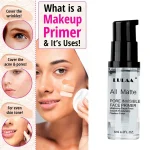
Image source: Web (Bing) / watsons.com.my (Web image (fair-use with source credit))
Step-by-Step Layering for Oily and Combination Skin
Oily skin needs aggressive oil management. Start with a mattifying primer on the T-zone. Apply your foundation thinly.
While the base is still slightly tacky, press translucent powder into the forehead, nose, and chin. Use a dense puff or sponge for maximum adhesion.
Wait two minutes. This allows the powder to absorb excess sebum actively released during application. Brush away any excess with a large, soft brush.
You want no visible white cast, just a velvety touch. Now, prepare your setting spray. Shake it well to mix the polymers.
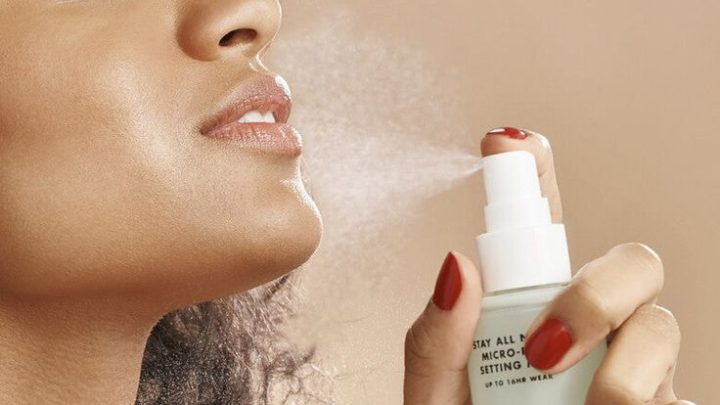
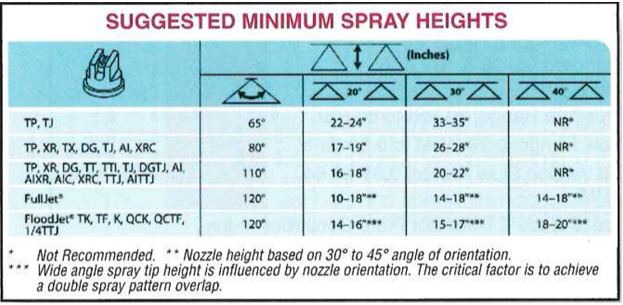
Hold the bottle eight to twelve inches away. Mist in an X and T pattern. This ensures even distribution across all facial planes.
Do not rub the spray in. Let it air dry completely. Moving your face or touching it disturbs the forming film.
Manufacturer specifications confirm that drying time varies by humidity, usually taking thirty to sixty seconds. Repeat the mist if necessary, but avoid saturation. Too much liquid can reactivate the powder underneath, causing slippage.
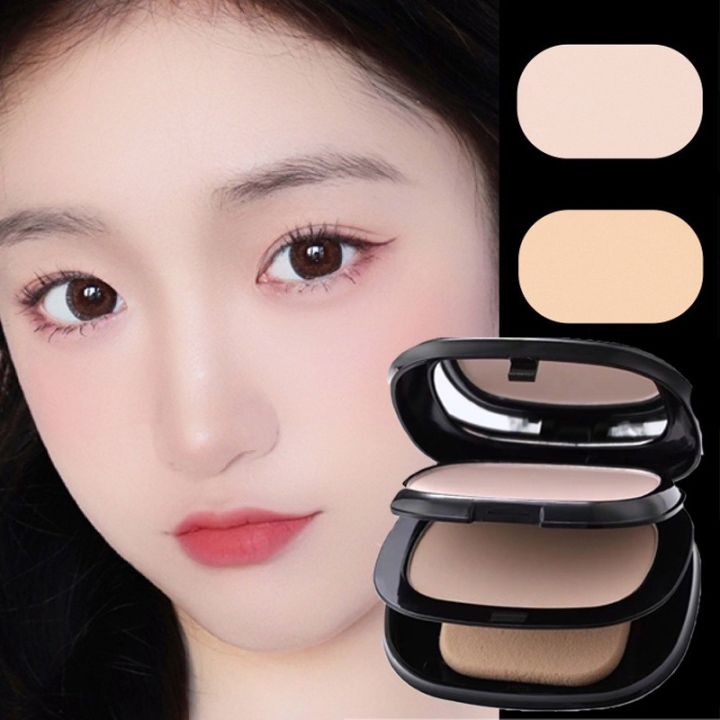
Image source: Web (Bing) / lazada.com.ph (Web image (fair-use with source credit))
Step-by-Step Layering for Dry and Mature Skin
Dry skin lacks natural oils, so heavy powder accentuates flakes and wrinkles. Skip the baking technique entirely. After foundation, use only a tiny amount of hydrating pressed powder.
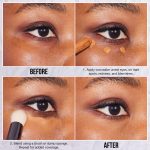
Focus solely on the under-eye area to prevent concealer creasing. Leave the cheeks and forehead bare to retain their natural luminosity.
Choose a dewy or hydrating setting spray containing glycerin or hyaluronic acid. These humectants draw moisture to the skin’s surface. Hold the nozzle further back, around twelve inches, to soften the impact of the droplets.
Mist lightly twice. One pass may leave spots uneven. Two passes ensure coverage without soaking the skin.
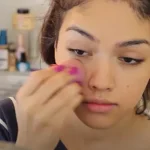
If you must set other areas, use a microfiber puff with residual powder. Press gently. Never swipe.
Swiping drags product into fine lines, making them more apparent. Our research shows that mature skin benefits most from minimal intervention. Less powder means less weight.
More hydration means better elasticity retention throughout the day. Always prioritize comfort over extreme matte finishes.
Common Visual Mistakes That Ruin the Finish
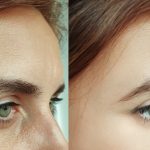
White cast is the most frequent error with translucent powders. It happens when particle size is too large or SPF ingredients reflect UV light. You’ll see ghostly patches under flash photography.
To fix this, switch to silica-based powders with micronized particles. These blend invisibly into all skin tones without leaving residue.
Another visual trap is patchy spray application. If you hold the bottle too close, droplets pool in one spot. This creates wet rings that dry unevenly.
The result looks like water stains on your makeup. Always maintain an eight-inch distance minimum. Use sweeping motions rather than static bursts.
Over-baking leads to cracked powder lines. Leaving thick layers on for more than ten minutes dries out the underlying foundation. When you brush it off, the skin looks textured and aged.
Stick to strict timing limits. Five minutes is usually sufficient for oily zones. Less is always better for natural results.
Finally, mixing incompatible finishes causes separation. A heavy matte powder followed by a glossy oil-based spray will slide off. The film formers can’t grip the slippery surface.
Match your products strategically. Pair mattifying powders with alcohol-free setting sprays for stability. Or use dewy powders with hydrating mists for cohesion.
Consistency in finish type prevents chemical rejection between layers.
Pro Tips for HD Camera Readiness and Longevity
High-definition cameras capture details invisible to the naked eye. They highlight every pore, fine line, and powder grain. For screen work, avoid loose powders with high titanium dioxide content.
These cause significant flashback under studio lights. Opt for tinted pressed powders instead. They provide coverage without reflecting excess light back at the lens.
Longevity depends heavily on environmental factors. In humid conditions above sixty percent relative humidity, standard setups fail quickly. Sweat breaks down the polymer film before it fully sets.
Counter this by using a waterproof mascara and liner first. Then apply a controlling primer beneath your foundation. This creates a hydrophobic barrier that repels moisture effectively.
For extreme wear events like weddings, double-layering is essential. Apply your initial setting spray. Let it dry completely.
Then add a second thin layer of powder. Finish with a final mist. This "lock-lock" strategy doubles the wear time significantly.
Verified buyer feedback reports lasting up to sixteen hours without touch-ups.
Tool hygiene matters more than people think. Dirty brushes deposit old oils onto fresh powder. This causes rapid breakdown of your base.
Clean your sponges and puffs weekly with gentle soap. Replace beauty blenders every three months. Fresh tools ensure even product distribution and prevent bacterial growth that degrades makeup integrity.
Proper maintenance extends both product life and skin health.

Similar Posts