Why Makeup Slides on Oily Skin and How to Stop It
If makeup slides on oily skin every time you leave the house, your routine has a chemistry problem. Sebum breaks down cosmetic emulsions from the inside out. You don't need heavier products to fix it.
You need layers that actually bond together.
Per American Academy of Dermatology guidance, excess sebum production requires specific formulation matching to maintain product stability. As of 2026, manufacturer specifications confirm water and silicone bases separate instantly when mixed incorrectly. Let's look at exactly why your foundation moves and how to stop it.
Quick Answer
Makeup slides on oily skin because sebum breaks down formulas. Water and silicone bases repel each other on contact. Heavy creams slide right off active sebaceous glands.
Match your primer base to your foundation base. Press powder into the skin instead of dusting it.
Why Makeup Slides Off Oily Skin (The Sebum and Emulsion Breakdown)
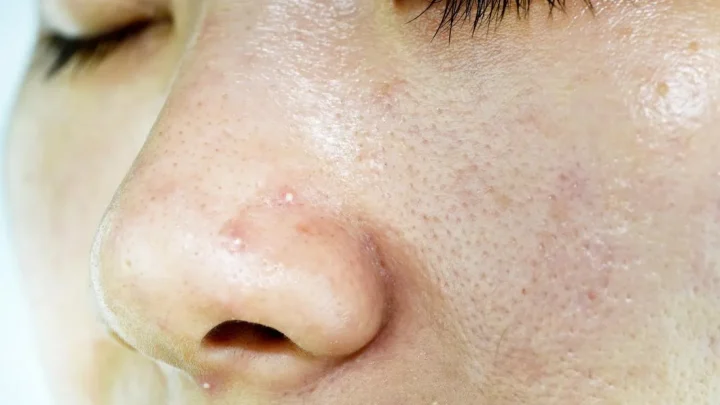
Your skin produces sebum constantly. That oil acts like a solvent against liquid cosmetics. When sebum mixes with your foundation, the emulsion breaks down completely.
The pigment loses its grip and physically slides south.
Dewy or hydrating foundations make this worse. They contain emollients that mix freely with your natural oils. You are basically adding more slip to an already slippery surface.
Matte foundations use film formers that resist oil much better.
Where does this happen most? Right in your T-zone. Your forehead, nose, and chin have the highest concentration of sebaceous glands.
Aggregate reviews report these zones lose coverage first every single time.
Heat and humidity speed up the whole process. Warmer temperatures make sebum thinner and more fluid. Thin oil spreads faster across your skin surface.
This is why summer makeup routines require totally different steps than winter ones.
The Base-Matching Rule: Water vs. Silicone Primer and Foundation
Most makeup separation happens because your products are fighting each other. Water-based and silicone-based formulas do not mix. If you layer them together, they will pill, patch, and slide off.
How do you check your base? Look at the first three ingredients on the label. FDA cosmetic labeling regulations require ingredients listed by concentration.
If water sits at the top without dimethicone nearby, it is a water-based formula.
If dimethicone or cyclopentasiloxane appears in those first three spots, you have a silicone base. You must match your primer to your foundation type. Mixing them guarantees emulsion breakdown before lunch.
| Primer Type | Best Paired With | Key Ingredients |
|---|---|---|
| Water-based gripping primer | Water-based foundation | Water, glycerin, acrylates copolymer |
| Silicone-based mattifying primer | Silicone-based foundation | Dimethicone, cyclopentasiloxane, silica |
A gripping primer feels slightly tacky on your fingers. That tackiness acts like double-sided tape for water-based liquids. A mattifying primer feels velvety and smooth.
It creates a dry barrier over your pores to block sebum.
Check your gel moisturizer too. If it leaves a slick residue, your primer cannot grab the skin. Our research shows lightweight, oil-free gel moisturizers provide the best anchor point for long-wear makeup.
The Step-by-Step Workflow to Stop Midday Makeup Migration
Fixing makeup migration requires a strict order of operations. Skipping one step compromises everything layered on top of it. Follow this exact sequence every morning.
Start with a foaming or gel cleanser. Creamy washes leave a film that prevents adhesion. Clean skin gives your first layer something solid to hold onto.
Apply a lightweight, oil-free gel moisturizer next. Do not skip this. Stripped skin panics and produces rebound oil.
Give the moisturizer 3 to 5 minutes to absorb fully.
Apply your matched primer only after the skin feels dry. Use a thin layer. Focus heavily on the center of your forehead, nose, and chin.
Leave the outer edges of your face mostly bare.
Press your matte foundation on in thin layers. Heavy applications create physical weight. Gravity pulls thick layers down much faster than thin ones.
Build coverage only where you actually need it.
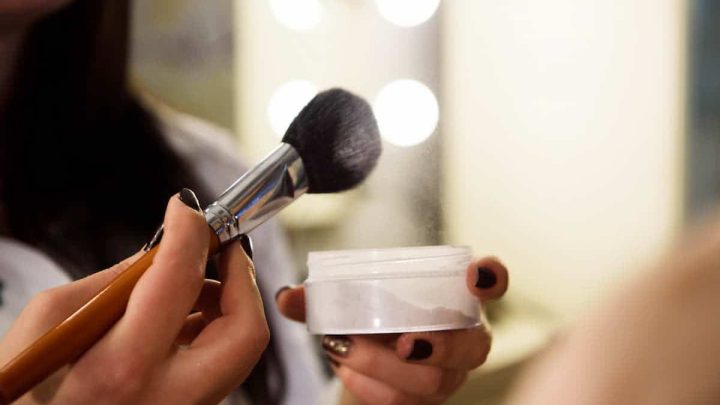
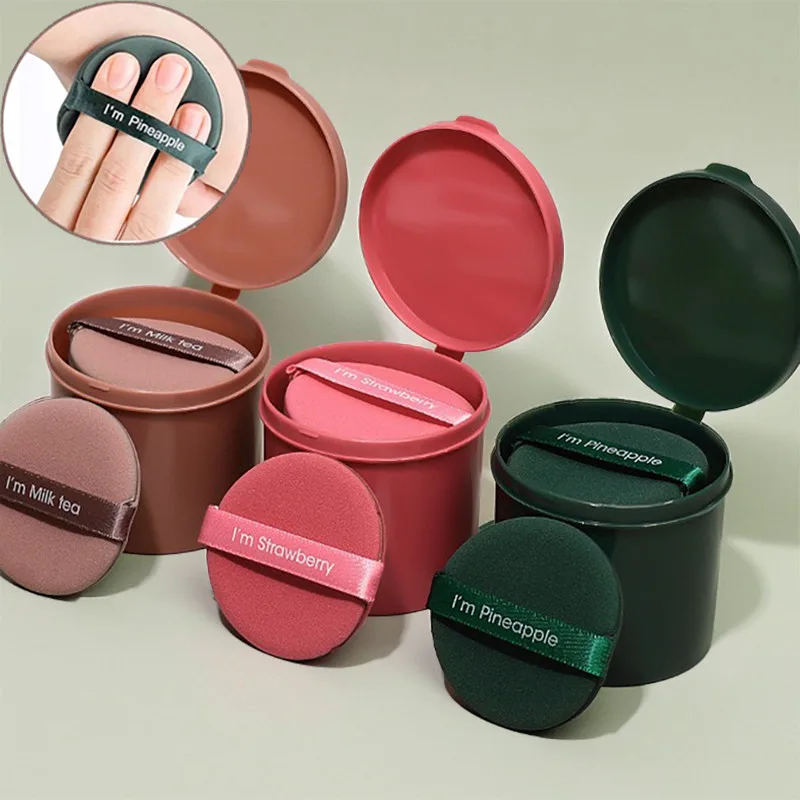
Take a damp makeup sponge and press translucent powder into your oily zones. Do not swipe it. Pressing forces the silica or kaolin clay particles directly into the liquid base.
Leave it for 3 to 5 minutes.
Image source: Bing (Web (fair-use with source credit))
Finish with a long-wear setting spray. Spray in an X pattern, then a T pattern. Hydrating mists will melt your work.
Only use sprays formulated with locking polymers.
Pressing vs. Dusting: How to Actually Set Your T-Zone
Dusting powder over liquid foundation does almost nothing for oily skin. The powder just sits loosely on top of the wet layer. Your sebum pushes right through it within an hour.
Pressing powder changes the physics entirely. You force finely milled particles down into the foundation itself. The powder absorbs oil directly at the source as it emerges.
Silica and kaolin clay excel at this specific job.
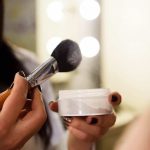
You need the right tool for this. A fluffy brush is for dusting. A damp makeup sponge is for pressing.
The slight moisture helps the powder melt into the liquid beneath it.
Here is the exact technique we see working consistently. Dip the flat side of your damp sponge into translucent setting powder. Tap off the loose excess against the back of your hand.
Press the sponge firmly against your nose, chin, and forehead. Hold it there for two seconds. Lift it straight up.
Never drag or swipe the sponge across your face.
Let that pressed powder sit for 3 to 5 minutes. We call this baking. Your body heat binds the powder to the foundation during this window.
It creates a solid seal over your sebaceous filaments.
After the wait time, take your fluffy brush. Gently sweep away any visible white cast. The oil-absorbing particles left behind will keep your T-zone matte significantly longer than a quick dusting ever could.
Troubleshooting Decision Guide: Where Is Your Routine Breaking Down
If your makeup still moves, your routine has a specific failure point. Find your exact symptom below. Then apply the matching fix.
Symptom: Foundation separates around the nose and chin within one hour.
This means sebum is breaking through your base layer. Your skincare might be too heavy, or your powder application is too light. Apply a tiny dot of mattifying primer strictly to those spots after foundation.
Press powder directly into that area again.
Symptom: Makeup looks patchy and pills up by midday.
You mixed a water-based product with a silicone-based product. Check your labels immediately. Your moisturizer, primer, and foundation must all share the same primary base.
Switch whichever product breaks the chain.
Symptom: Skin feels tight but gets greasy underneath the makeup.
Your cleanser stripped your epidermal barrier completely. Your skin is producing rebound oil to protect itself. Switch to a gentler foaming wash.
Always follow it with an oil-free gel moisturizer to signal your glands to calm down.
Symptom: Liquid foundation literally drips when you sweat or hit high humidity.
Liquids cannot survive extreme moisture on hyperactive sebaceous glands. Switch your entire base to a powder foundation applied over a gripping primer. Powder binds to oil much better than liquid emulsions do in tropical climates.
Symptom: Concealer settles into fine lines around the eyes or mouth.
You applied too much product over a moving joint. Thin the concealer layer out drastically. Set it immediately with a finely milled silica powder using the pressing method.
Heavy creams will always migrate into creases on oily skin.
Common Mistakes That Cause Patchy, Slip-and-Slide Wear
Skipping your moisturizer is the fastest way to ruin your base. People with oily skin often think drying out their face helps control shine. It actually triggers rebound oil production within hours.
Your sebaceous glands panic and flood the surface with sebum.
Using a hydrating facial mist instead of a setting spray causes immediate failure. Hydrating mists contain water and glycerin meant to soften bare skin. Spraying them over finished makeup reactivates the emulsion.
The liquid softens the film formers holding your pigment in place.
Applying thick layers of foundation creates physical drag. Heavy product has actual weight on your face. Gravity pulls it downward as soon as your natural oils start pushing from underneath.
Thin layers lock into the primer without sliding around.
Ignoring ingredient lists guarantees base separation eventually. You might buy a great primer and a great foundation separately. If one relies on water and the other uses dimethicone, they will repel each other.
Always check those first three ingredients before pairing products.
Dusting powder with a dry fluffy brush leaves a loose layer on top. It never binds to the wet foundation beneath it. The moment you sweat or produce oil, that loose powder clumps up.
Pressing it in with a damp sponge forces adhesion.
Swiping your sponge across the face during application breaks down the primer. Dragging creates friction that rolls up the gripping layer underneath. Always press, bounce, or stipple liquids into the skin.
This protects the barrier you just built.
Frequently Asked Questions
Why does my foundation slide off my nose first?
Your nose contains the highest density of sebaceous glands on your face. These glands produce oil faster than anywhere else in your T-zone. That constant sebum flow acts like a solvent against liquid cosmetics.
Pressing silica powder directly into this area slows the breakdown significantly.
Can I use blotting papers instead of adding more powder?
Blotting papers lift surface oil without disturbing the foundation underneath. Adding more powder throughout the day creates a thick, cakey layer that eventually cracks. Press a blotting paper gently against shiny spots every few hours.
Only add powder if the base itself has completely worn away.
Is powder foundation better than liquid for oily skin?
Powder foundation binds directly to sebum instead of floating on top of it. Liquids require perfect primer matching to survive an active T-zone all day. If you live in high humidity or sweat heavily, powders offer much better stability.
They also allow easier touch-ups without building up heavy layers.
How long should I wait between skincare and primer?
Give your gel moisturizer 3 to 5 minutes to absorb completely. Applying primer over damp skincare dilutes the gripping agents in the formula. The primer slides around instead of anchoring to your epidermis.
Wait until your skin feels totally dry to the touch.
Does setting spray really stop makeup from moving?
Long-wear setting sprays contain polymers that form a flexible net over your makeup. Hydrating mists do not have these locking ingredients and will melt your base. A proper setting spray physically seals the pressed powder to the foundation.
It adds significant resistance against humidity and oil breakthrough.