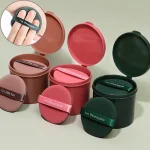
How to Reduce Oily Skin Shine for a Matte, Fresh Face
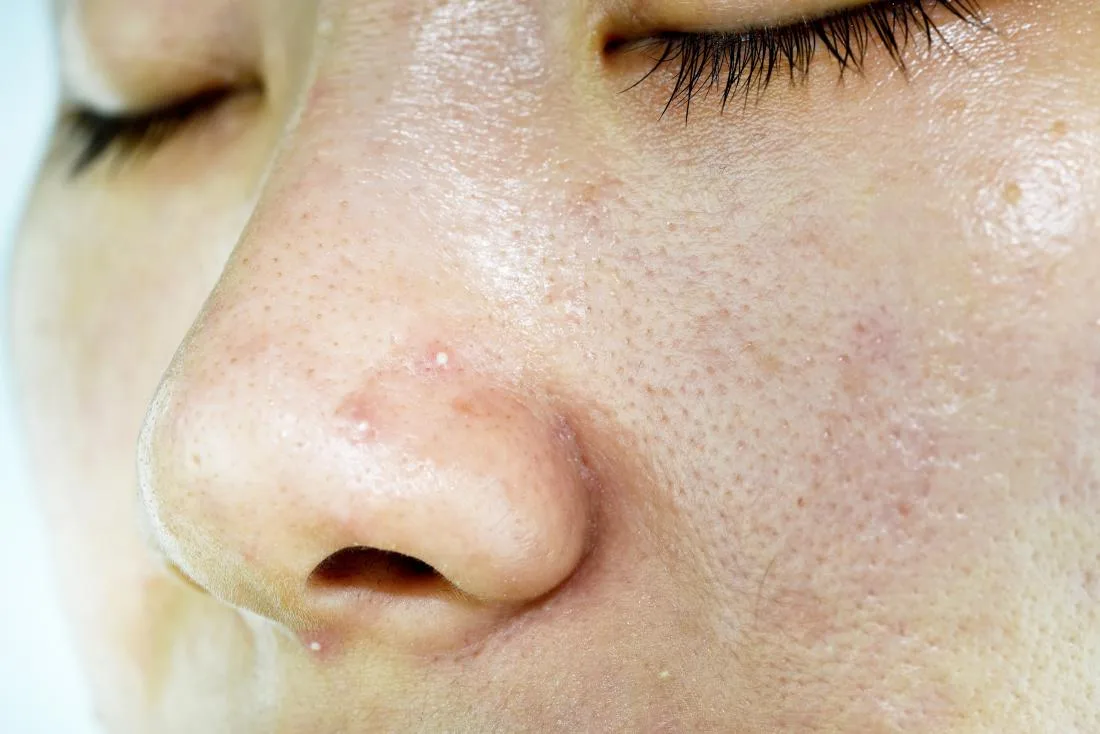
Figuring out how to reduce oily skin shine usually starts with a simple mistake. You wash your face too much, and your skin just gets oilier. That greasy look by noon isn't always about having too much natural oil.
Sometimes it means your skin is actually begging for water.
In our research, healthy skin maintains a slightly acidic pH around 4.7 to 5.5. When you strip that balance away, your sebaceous glands panic and overproduce sebum to protect themselves. We'll walk through exactly how to fix that cycle.
Image source: Bing (Web (fair-use with source credit))
Quick Answer
You reduce oily skin shine by balancing moisture. Wash with a gentle gel cleanser daily. Apply a lightweight niacinamide serum next.
Finish with an oil-free moisturizer every time. Avoid harsh scrubs that trigger extra oil production.
Why Your Skin Is Actually Shiny: True Oil vs. Dehydrated Rebound
Your skin might be genuinely oily, or it might just be dehydrated. Those are two completely different problems. If you treat dehydrated skin like it's naturally oily, you'll make the shine worse.
True oily skin produces excess sebum all day long. Your pores look larger, and makeup slides off quickly. This is mostly genetic and driven by hormones.
The American Academy of Dermatology notes that overactive sebaceous glands cause this persistent greasiness.
Dehydrated skin lacks water, not oil. Your skin feels tight but still looks shiny. To compensate for the missing water, your body pumps out extra oil.
That creates a confusing mix of dry patches and a greasy forehead.
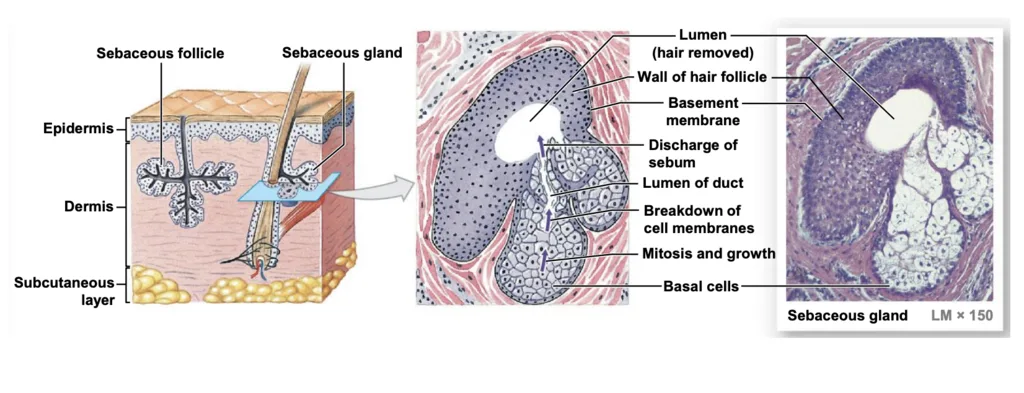
Image source: Bing (Web (fair-use with source credit))
Here is a quick way to tell them apart based on aggregate clinical observations.
| Feature | True Oily Skin | Dehydrated Skin |
|---|---|---|
| Pore size | Visibly enlarged everywhere | Normal or small |
| Texture | Consistently slick | Tight, flaky, yet shiny |
| Trigger | Genetics, humidity, hormones | Harsh products, dry air |
| Moisturizer feel | Feels heavy or suffocating | Absorbs instantly |
If your skin drinks up lotion but still shines an hour later, you're likely dealing with dehydration. You need water-based hydration instead of oil-stripping treatments. Understanding this difference changes your entire routine.
The Decision Tree: Finding Your Specific Shine-Control Path
Picking the right approach depends entirely on what your skin is doing right now. Don't just grab a random mattifying product. Follow these conditions to find your exact path.
Condition 1: Is your skin tight after washing?
If yes, your moisture barrier is damaged. Stop using salicylic acid, glycolic acid, and clay masks immediately. Switch to a low-foam gel cleanser with a pH between 4.5 and 5.5.
Focus purely on ceramides and hyaluronic acid until the tightness stops.
Condition 2: Are you only shiny in your T-zone?
If yes, you have combination skin. Don't treat your whole face like an oil slick. Apply a 2% salicylic acid liquid only to your forehead, nose, and chin.
Use a basic water-based moisturizer on your normal or dry cheeks.
Condition 3: Do you break out constantly alongside the shine?
If yes, your excess sebum is clogging pores. You need active ingredients that clear the blockage. A BHA exfoliant works best here because it dissolves oil inside the pore lining.
Pair it with a non-comedogenic sunscreen every morning.
Condition 4: Does your makeup separate by midday despite good skincare?
If yes, your skincare is fine, but your surface needs texture control. This is where topical oil absorbers come in. Look for primers containing dimethicone or silica.
They create a smooth base that traps oil before it ruins your foundation.
Follow the branch that matches your current symptoms. Mixing paths causes irritation. Stick to one targeted route for at least four weeks before changing course.
Building the Routine: Cleansers, Niacinamide, and Gel Moisturizers That Work
A solid shine-control routine relies on specific textures and concentrations. Heavy creams will just sit on top of your pores. You want lightweight layers that absorb fast and regulate oil production.
Start with your cleanser. Foaming washes often contain sulfates that strip the stratum corneum. That triggers rebound oil production within hours.
Choose a gentle gel cleanser instead. It removes dirt without disrupting your natural pH.
Next, apply a targeted treatment serum. Niacinamide is the gold standard here. Manufacturer specifications indicate that a 5% to 10% concentration effectively regulates sebum production.
It also visibly minimizes pore size over several weeks of consistent use.
Then you need to hydrate. Skipping moisturizer is the biggest mistake people make with oily skin. Without hydration, your glands work overtime.
Pick a water-based gel moisturizer containing squalane or hyaluronic acid. These ingredients hold water without adding grease.
Finish with sun protection. UV exposure thickens the skin and enlarges pores over time. Look for a mattifying sunscreen rated SPF 30 or higher.
Formulas labeled "oil-free" or "dry touch" prevent that dreaded white, greasy cast.
Here is the step-by-step order to follow every morning:
- Wash with a gentle gel cleanser.
- Pat skin dry with a clean towel.
- Apply a 5% to 10% niacinamide serum.
- Layer a lightweight gel moisturizer.
- Finish with a mattifying SPF 30 sunscreen.
Keep your evening routine similar. Swap the sunscreen for a targeted treatment if needed. As of 2026, dermatological guidelines still emphasize consistency over adding dozens of new products.
Stick to these core steps daily.
Midday Maintenance: Blotting Papers, Silica Powders, and Setting Sprays
Skincare preps your canvas, but midday maintenance keeps the shine away. By noon, even the best routines face humidity and natural oil buildup. You need the right tools to manage this without ruining your base.
Blotting papers are your first line of defense. They lift liquid sebum straight off the surface. Press them gently against your T-zone instead of rubbing.
Rubbing smears your makeup and irritates the skin underneath.
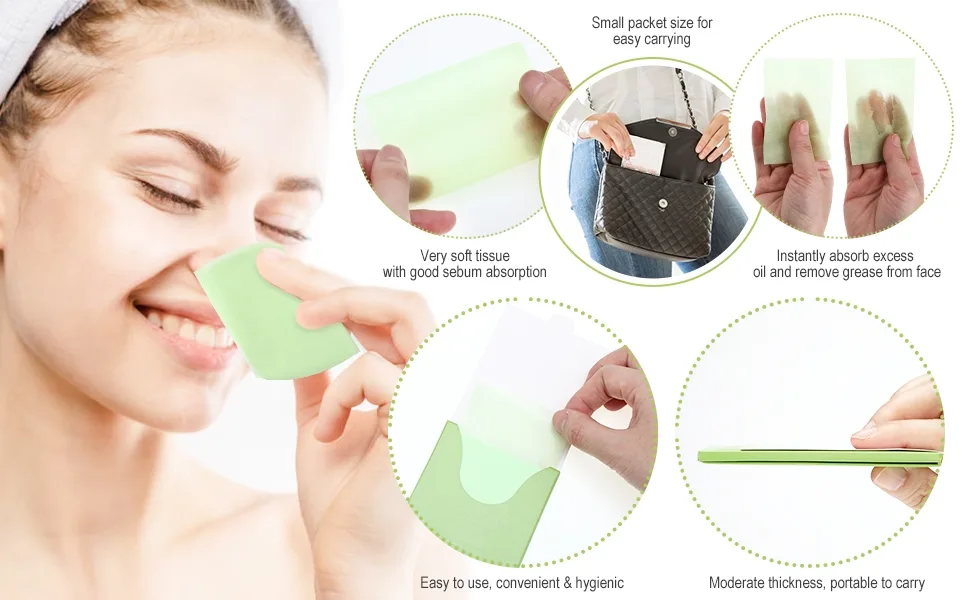
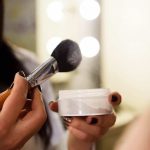
Image source: Bing (Web (fair-use with source credit))
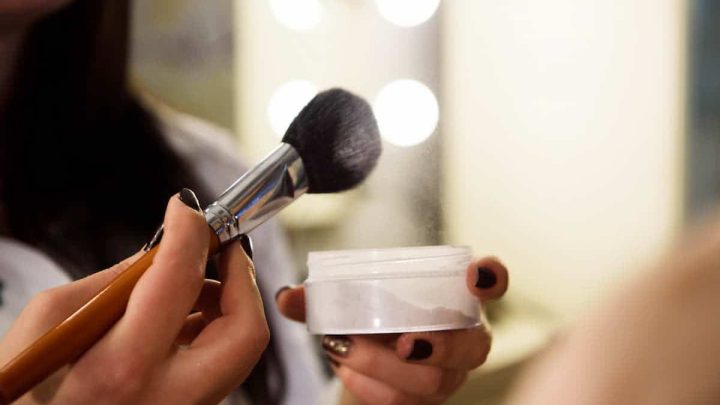
Translucent setting powders work differently. They don't remove oil. Instead, they absorb it using ingredients like silica or kaolin clay.
Dust a tiny amount over shiny areas using a fluffy brush. Too much powder will look cakey and settle into fine lines.
Setting sprays offer another option. Many contain oil-absorbing polymers that lock everything in place. A quick mist helps melt powder into the skin for a more natural finish.
Look for alcohol-free formulas so you don't accidentally dry out your face.
Avoid piling these methods on top of each other all at once. If you blot, wait a few minutes before deciding if you need powder. Over-applying products creates a heavy mask that eventually cracks.
Less is always more when managing midday grease.
Choose your tool based on your environment. If you're in high humidity, blotting papers handle sweat better than powder. If you're in a dry office, a light dusting of silica powder lasts longer.
Match your method to your actual conditions.
Common Mistakes That Trigger Worse Sebum Production
Stripping your skin with harsh products is the fastest way to increase oil production. If your face feels tight and squeaky clean after washing, you have already damaged your moisture barrier. Your sebaceous glands respond by pumping out even more sebum to protect the exposed tissue.
Alcohol-based toners are a major culprit here. They evaporate instantly and leave your skin completely bare. Verified buyer feedback consistently reports that these astringents cause severe rebound greasiness within just a few hours of application.
Skipping moisturizer because you feel shiny is another common error. Without a protective layer of hydration, water escapes through the stratum corneum rapidly. This process is called transepidermal water loss.
Your body tries to trap that escaping water by coating the surface in heavy oil.
Over-exfoliating causes similar damage. Using physical scrubs or applying high concentrations of glycolic acid every single day wears down the skin. You might see temporary smoothness, but the underlying inflammation triggers chronic shine.
Stick to chemical exfoliants like BHA two or three times a week maximum.
Piling on too many active ingredients at once creates a compounding problem. Mixing retinoids, salicylic acid, and vitamin C in a single routine overwhelms the skin. Pick one targeted treatment per session.
Let your skin adapt for four to six weeks before introducing anything else.
Finally, washing your face more than twice a day disrupts your natural pH balance. The FDA regulates over-the-counter acne washes for a reason. Overusing them strips away healthy lipids alongside the dirt.
Wash in the morning, wash at night, and use blotting papers for everything in between.
Frequently Asked Questions
How long does it take to stop oily skin shine?
Most targeted routines show visible changes in four to six weeks. Ingredients like niacinamide need time to regulate your sebaceous glands properly. Consistency matters much more than finding a miracle product.
Stick with your chosen path daily to see lasting results.
Does drinking water reduce facial oiliness?
Drinking water helps if your shine comes from dehydration rather than genetics. Hydrated skin experiences less transepidermal water loss overall. This means your glands do not need to overcompensate with extra sebum.
It will not cure true genetic hyperseborrhea on its own.
Should I use clay masks for oily skin?
Clay masks work well for occasional deep cleaning of congested pores. Kaolin clay is gentler, while bentonite clay absorbs heavier oil loads. Limit their use to once or twice a week.
Using them daily will strip your barrier and trigger rebound oil production.
Can sunscreen make my face look greasier?
Heavy sunscreens definitely add unwanted shine to an already oily complexion. Look for formulas labeled oil-free or matte finish. Mineral filters containing zinc oxide often dry down with a natural powdery texture.
Gel-based chemical sunscreens also absorb quickly without leaving a greasy residue.
Is powder bad for oily skin?
Powder is perfectly safe when applied correctly over hydrated skin. Translucent powders containing silica absorb excess oil beautifully throughout the day. Avoid heavy pressed powders loaded with emollients or waxes.
Always blot liquid oil first so the powder does not clump into a thick paste.