How to Prep Dry Skin for Flawless Makeup
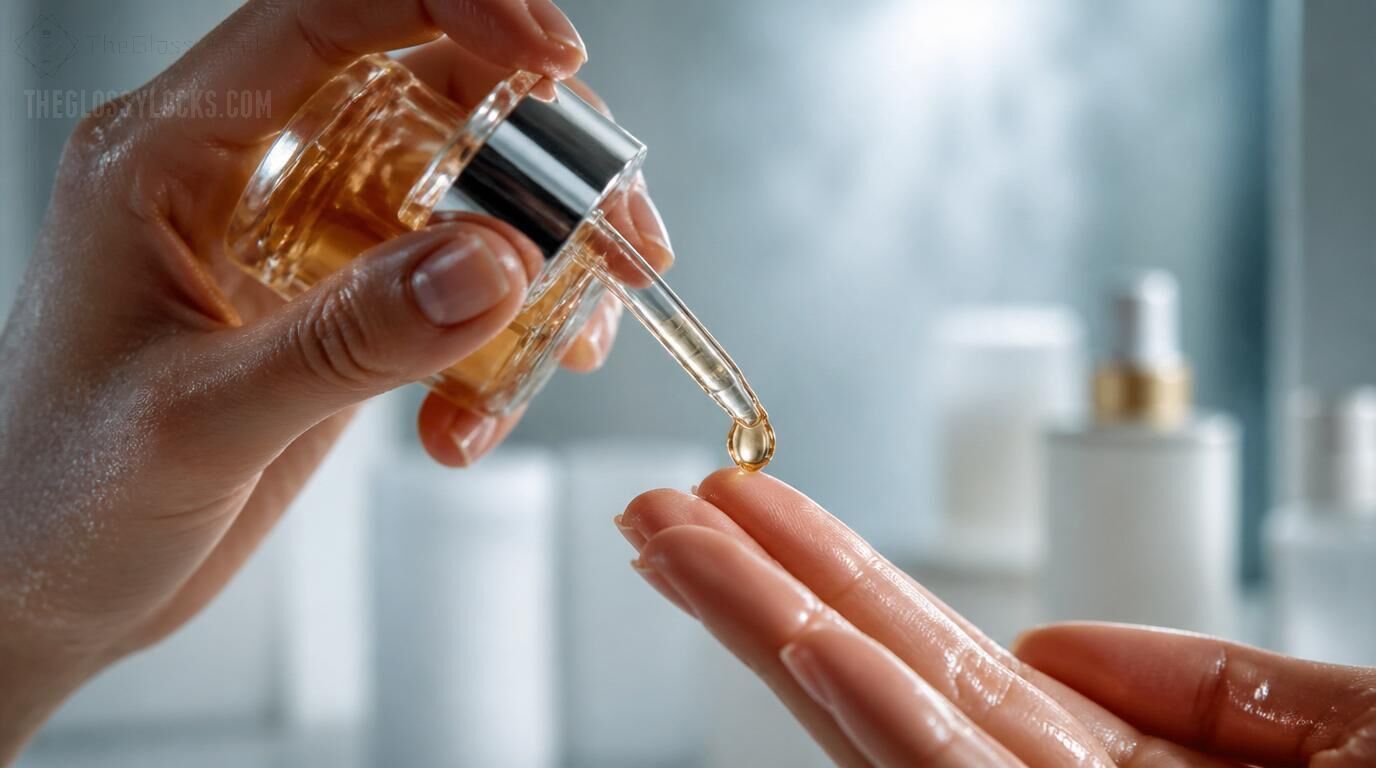
Figuring out how to prep dry skin before makeup often feels like guesswork. You layer on creams, yet your foundation still clings to flakes or slides off by noon. The issue isn't usually the makeup itself.
It’s the mismatch between your skincare steps and your skin's actual needs.
Most people skip the critical waiting period between hydration and application. Research indicates that allowing products to absorb fully prevents pilling. As of 2026, dermatological consensus emphasizes barrier repair over heavy occlusion for daytime wear.
Let’s break down exactly why your current routine might be failing you.
Quick Answer
To prep dry skin before makeup, cleanse gently with lukewarm water. Apply a humectant serum to damp skin immediately. Seal it with a lightweight moisturizer.
Wait three to five minutes for full absorption. Use a hydrating primer only where needed. Avoid heavy oils right before foundation.
This sequence ensures smooth, lasting coverage without caking.
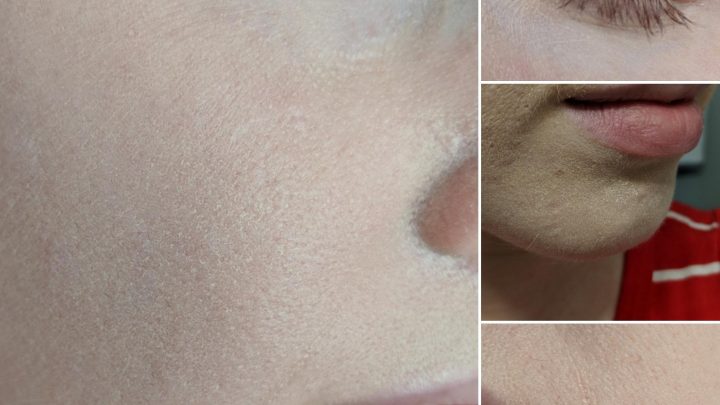
Image source: Web (Bing) / theglossylocks.com (Web image (fair-use with source credit))
Is Your Skin Dry or Just Dehydrated?
You’ve likely heard these terms used interchangeably. They aren’t the same thing. Misidentifying your condition leads to using the wrong products.
This causes most makeup failures for people with tight, rough texture.
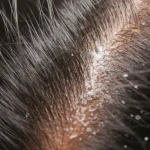
Dry skin is a skin type. It lacks oil production due to genetic factors or age. Your pores are small.
Your barrier struggles to retain lipids. You need emollients and occlusives to replace missing fats. Think ceramides, squalane, or jojoba oil.
These ingredients mimic your natural sebum.
Dehydrated skin is a temporary state. Any skin type can become dehydrated. It lacks water, not oil.
Environmental stressors trigger this. Low humidity, excessive caffeine, or harsh cleansers strip moisture. Your skin produces more oil to compensate.
This creates a confusing mix of oily patches and flaky zones. You need humectants here. Hyaluronic acid or glycerin pulls water into the cells.
How do you tell the difference? Wash your face with a gentle cleanser. Pat it dry lightly.
Wait thirty minutes without applying anything. If your skin feels tight across the cheeks and forehead, it’s dry. If it feels sticky or looks shiny but feels rough to the touch, it’s dehydrated.
Often, it’s both. Mature skin frequently suffers from dual deficiency.
This distinction dictates your prep workflow. If you treat dehydration with heavy oils, you’ll feel greasy. If you treat dryness with only water-based serums, your makeup will slide off.
Identify the root cause first. Then choose your layers accordingly. Our research shows that addressing the specific deficit improves product adhesion significantly.
Don’t guess. Observe your skin’s response after cleansing.
The Pre-Makeup Prep Workflow for Dry Skin
Follow this sequence strictly. Timing matters as much as the products themselves. Rushing leads to separation and patchiness.
Take your time.
Step 1: Gentle Cleansing and the Damp-Skin Rule
Start with a non-stripping cleanser. Avoid sulfates like sodium lauryl sulfate. They disrupt the lipid barrier.
Look for cream or milk formulations instead. Rinse with lukewarm water. Hot water dissolves essential oils.
Cold water doesn’t clean effectively. Lukewarm is the sweet spot.
Do not towel-dry completely. Leave your skin slightly damp. This is crucial.
Humectants work best when they have water to grab onto. Applying them to bone-dry skin can sometimes pull moisture from deeper layers if the air is dry. Damp skin provides immediate hydration sources.
Gently pat excess water away. Do not rub. Rubbing irritates fragile capillaries in dry skin types.
Step 2: Layering Humectants Before Emollients
Apply your water-based serum next. Hyaluronic acid is the gold standard here. Use a concentration between one and two percent.
Higher amounts don’t necessarily help more. Spread it evenly while your face is still moist. Massage it in gently.
Wait sixty seconds. Let the serum sink in. Now apply your moisturizer.
Choose a formula rich in ceramides or fatty acids. These seal in the water you just added. This creates a "moisture sandwich." The serum holds the water.
The cream locks it there.
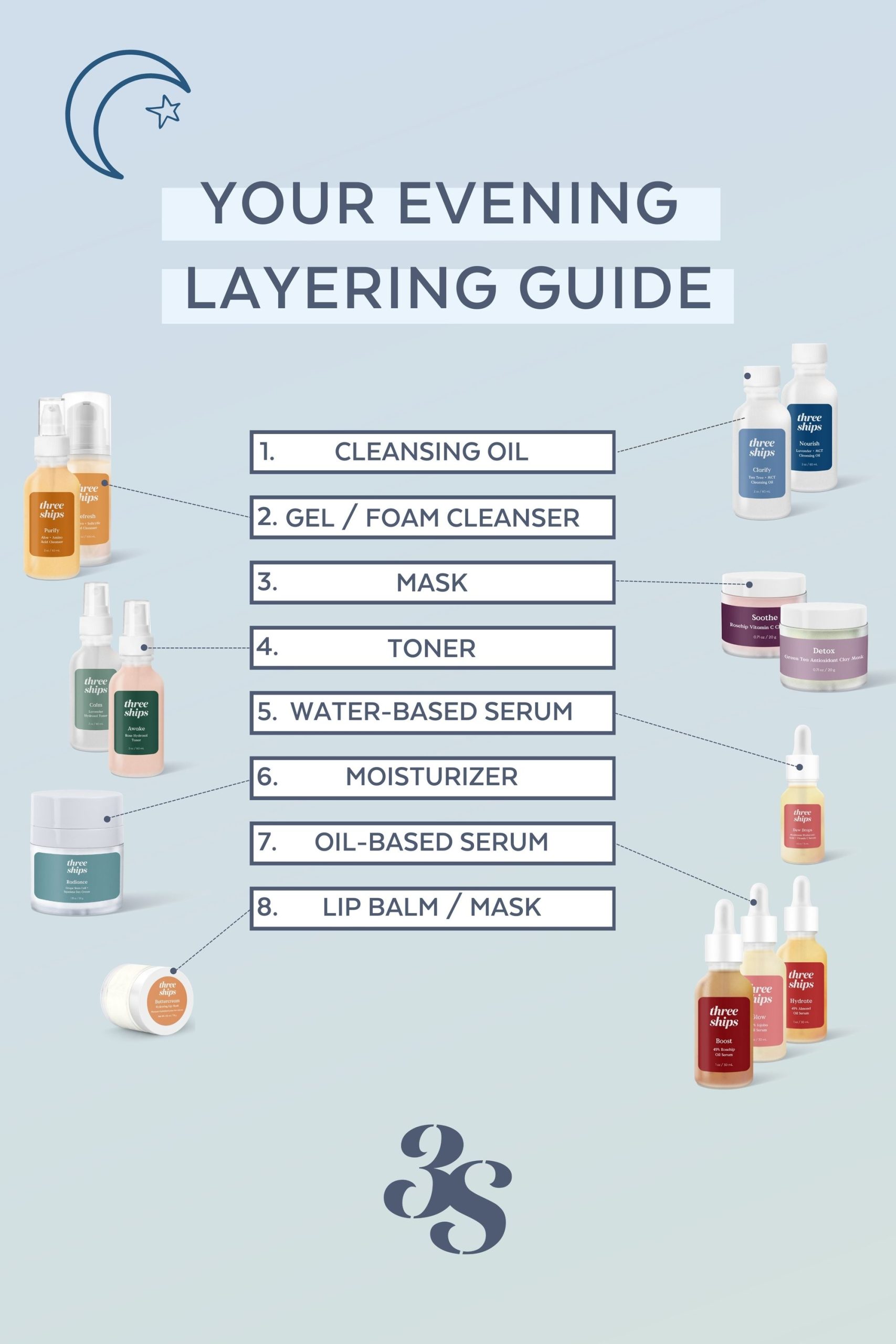
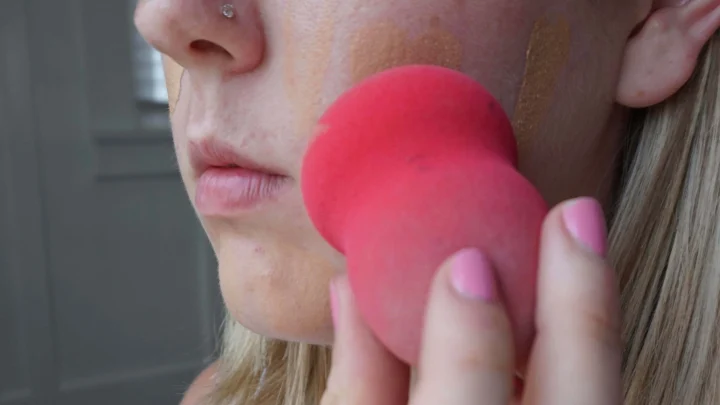
Image source: Web (Bing) / pinterest.com (Web image (fair-use with source credit))
Step 3: The Mandatory Absorption Window
This is the step everyone skips. Stop. Put your hands down.
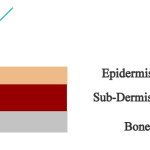
Wait three to five minutes. Skincare needs time to penetrate the stratum corneum. If you apply makeup too soon, the layers sit on top of each other.
They mix incorrectly. This causes pilling.
Use this time to check your hairline. Ensure no residue remains there. Residue transfers to your brush.
It contaminates your foundation. While waiting, assess your T-zone. Does it look shiny?
You may need less moisturizer there tomorrow. Adjust based on observation, not assumption.
Step 4: Strategic Priming (Not All Over)
Once your skin feels soft, not tacky, apply primer. Skip full-face priming if possible. Focus on areas where makeup tends to fade.
Usually, this is the nose and chin. Cheeks often hold pigment well if hydrated properly.
Choose a hydrating primer. Avoid mattifying silicones unless you have combination skin. Silicone-heavy primers can trap heat.
They may exacerbate redness in sensitive, dry faces. Water-based primers blend seamlessly with underlying skincare. Press the primer in with fingertips.
Do not drag. Dragging disturbs the moisturizer layer beneath.
Choosing the Right Products for Each Stage
Product selection determines success. Generic advice fails because skin varies. Here is how to pick wisely for each phase.
| Stage | Key Ingredient | Function | What to Avoid |
|---|---|---|---|
| Cleansing | Ceramides, Oats | Barrier support | Sulfates, High pH soap |
| Serum | Hyaluronic Acid, Glycerin | Water attraction | Alcohol Denat., Fragrance |
| Moisturizer | Squalane, Shea Butter | Lipid sealing | Heavy petrolatum (daytime) |
| Primer | Dimethicone (light), Vitamins | Smoothing base | Matte clay powders |
Hydrating Serums vs. Heavy Creams
Serums deliver active ingredients deep into the skin. They have smaller molecular weights. Creams provide surface protection.
For dry skin, you need both. But balance is key. Too much serum leaves skin slippery.
Too much cream makes it greasy.
Look for multi-weight hyaluronic acid. Single-weight HA sits on the surface. Multi-weight penetrates different layers.
Aggregate user reviews report better plumping effects with blended formulas. Check manufacturer specs for molecular weight ranges. Lower numbers mean deeper penetration.
Water-Based vs. Silicone-Free Primers
Silicones create a smooth canvas. They fill in pores and fine lines. However, some dry skins react poorly to heavy dimethicone.
It can feel suffocating. Water-based primers offer hydration plus slip. They play nicer with mineral sunscreens underneath.
If you use chemical sunscreen, ensure compatibility. Some filters degrade silicone matrices. Test a small patch first.
Per American Academy of Dermatology guidelines, patch testing prevents adverse reactions. Never assume all primers work for all bases. Read ingredient lists carefully.
Why Matte Foundations Are a Trap
Matte foundations contain absorbing powders. Kaolin or silica draws oil. On dry skin, they draw moisture.
This highlights every flake. It accentuates wrinkles. Avoid them entirely during prep phases.
Opt for satin or dewy finishes instead. These reflect light softly. They hide texture rather than emphasizing it.
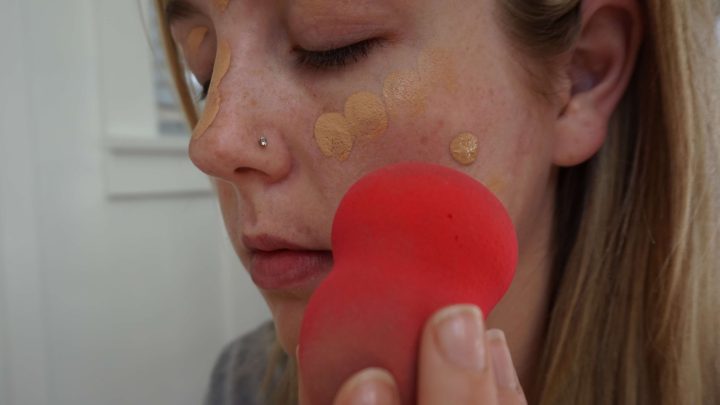
If you must wear matte, buff it in heavily. Use a dense brush. Do not wipe.
Wiping removes the hydration layer you built.
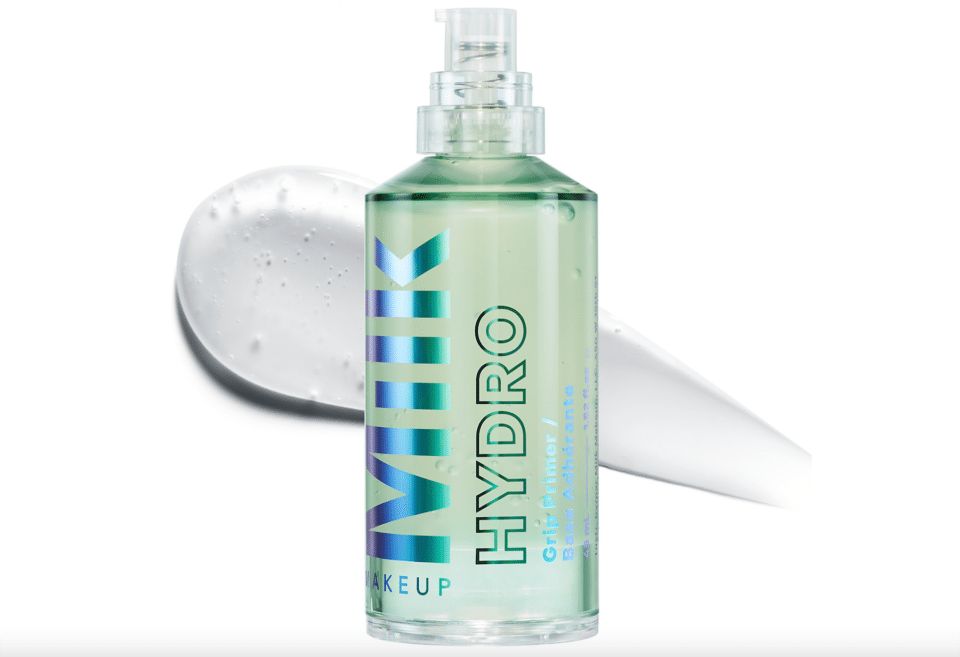
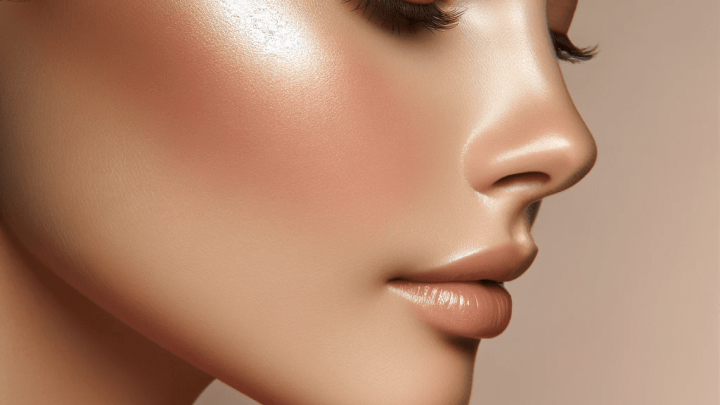
Image source: Web (Bing) / whatthefab.com (Web image (fair-use with source credit))
Common Mistakes That Cause Caking and Pilling
Even with the right products, errors happen. These pitfalls ruin otherwise perfect routines. Recognize them early.
Over-Exfoliating the Barrier
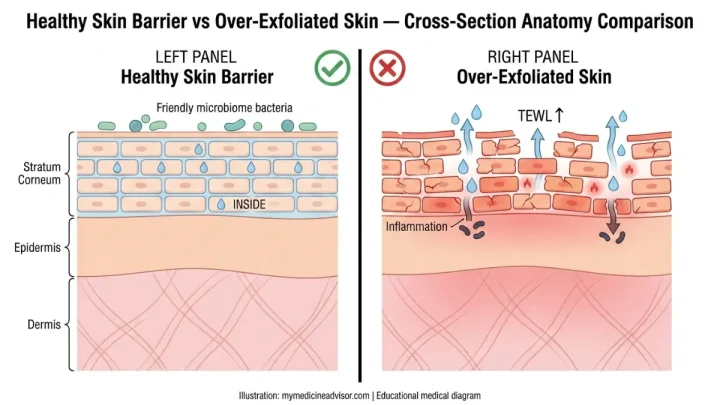
Dry skin has a compromised barrier. Scrubbing it further damages healthy cells. Many people think exfoliation removes flakes.
It actually thins the protective layer. This leads to more water loss later.
Limit physical scrubs. Banish walnut shells or apricot pits. They cause micro-tears.
Use enzymes or mild PHAs once a week maximum. Lactic acid is gentler than glycolic. It also hydrates as it exfoliates.
Always follow up with intense moisture. Never exfoliate right before major events. Give your skin recovery time.
Skipping the Wait Time
We mentioned this earlier. We cannot stress it enough. Impatience kills makeup longevity.
Layers need to bind individually. When rushed, they form a slurry. This slurry rolls off your face as little balls.
That is pilling.
Set a timer. Three minutes minimum. Five is safer.
Use this time to get dressed. Or brew coffee. Distract yourself.
Do not hover over the mirror watching the clock. Anxiety makes you rush. Trust the process.
Your skin absorbs faster when relaxed anyway. Blood flow increases circulation.
Using Alcohol-Denat in Prep Steps
Alcohol dries out skin instantly. It evaporates quickly. But it strips lipids during evaporation.
Check your toner, serum, and primer labels. If alcohol denat appears in the top five ingredients, put it back.
Some "oil-control" toners rely on high alcohol content. These are disastrous for dry types. They leave skin tight and reactive.
Switch to alcohol-free alternatives. Rose water or chamomile extracts soothe without stripping. Verify FDA labeling standards for cosmetic ingredients if unsure.
Transparency helps avoid hidden irritants.
Adjusting Your Routine for Climate and Season
Your environment changes your skin’s needs. A static routine fails dynamically. Adapt seasonally.
Winter Air and Indoor Heating Strategies
Cold air holds less moisture. Central heating sucks humidity indoors. Your TEWL (transepidermal water loss) spikes.
You need heavier occlusives at night. During the day, stick to lighter seals to prevent sliding.
Add a humidifier to your bedroom. Maintain indoor humidity between forty and sixty percent. This supports your barrier overnight.
In the morning, skip the rinse-off cleanser. Just splash water. Preserve natural oils produced during sleep.
They protect against the harsh outdoor chill.
Summer Humidity and Lighter Layers
High humidity means air is saturated with water. Your skin absorbs it passively. Heavy creams feel suffocating.
They trap sweat. This breaks down makeup faster.
Switch to gel-creams. They hydrate without weight. Reduce serum frequency if your skin feels bloated.
Sometimes less is more. Let atmospheric moisture do some work. Focus on antioxidant protection instead.
UV exposure increases in summer. Vitamin C serums defend against free radicals. Pair them with broad-spectrum SPF.
Reapply sunscreen if outdoors. Makeup over sunscreen requires careful blending. Pat, don’t rub.
Frequently Asked Questions
Can I use facial oil before foundation?
Yes, but only if applied correctly. Use one or two drops of squalane or jojoba oil. Mix it directly into your moisturizer.
Do not layer pure oil on top of serum. This creates a slippery barrier that repels water-based makeup. Your foundation will slide off within hours.
Blending ensures the lipids integrate with your hydration layer. It adds glow without compromising adhesion.
How long should I wait between skincare and makeup?
Wait at least three to five minutes. This allows the stratum corneum to absorb active ingredients. If you apply primer too soon, the layers mix improperly.
This causes pilling and patchy coverage. Test your skin by touching your cheek. It should feel soft and dry, not tacky.
If it feels sticky, wait another minute. Patience here prevents most application failures.
Why does my makeup look cakey even after moisturizing?
Cakeiness usually stems from product incompatibility. You might be using silicone primers over water-based serums. These formulas don’t bond well together.
Another cause is excessive exfoliation. Over-stripped skin sheds rapidly under makeup friction. Switch to gentle PHA exfoliants once weekly.
Also, check your foundation formula. Matte liquids often highlight texture on dry barriers. Opt for satin or dewy finishes instead.
Is hyaluronic acid bad for dry skin in winter?
No, but it requires proper sealing. Hyaluronic acid draws moisture from its surroundings. In low-humidity winter air, it can pull water from deeper skin layers.
This worsens dehydration if left unsealed. Always apply HA to damp skin. Immediately follow with an occlusive moisturizer.
This traps the attracted water inside. Without the seal, the humectant works against you. Context matters more than the ingredient itself.
Should I skip primer entirely for dry skin?
You can, but strategic use helps. Full-face priming isn’t necessary for everyone. Focus only on areas prone to fading.
Typically, this includes the nose and chin. Cheeks often hold pigment well if hydrated. Skipping primer reduces potential irritation from additives.
However, a hydrating primer smooths texture effectively. Choose fragrance-free, water-based options. Avoid mattifying silicones that emphasize flakiness.
Listen to your skin’s specific needs daily.

Similar Posts