Why Does My CC Cream Separate? The Real Reasons
You’ve got a tube of CC cream that looks curdled, oily, or weirdly grainy. Figuring out why CC cream separates isn’t just about checking the expiration date. It’s usually down to chemistry, heat, or how you store it.
Most people toss it immediately, assuming it’s spoiled. But sometimes, it’s salvageable if you know what to look for.
We need to distinguish between harmless settling and actual emulsion failure. Manufacturer specs indicate that stability relies on specific temperature ranges, typically 15, 25°C (59, 77°F). If your product has been left in a hot car, the internal structure likely collapsed.
Let’s walk through the diagnostic steps so you don’t waste money or risk skin irritation.
Is Your CC Cream Actually Broken? The Quick Diagnostic
Start by smelling the product. Fresh CC cream should have a neutral or faint cosmetic scent. If it smells rancid, sour, or like old oil, throw it away immediately.
Oxidized ingredients can irritate sensitive skin even if they look fine visually. Next, check the texture. Natural settling might show a thin layer of liquid on top, but the bulk remains creamy.
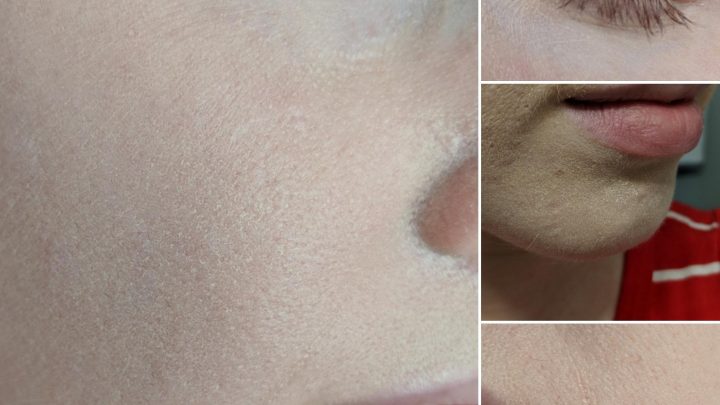
True separation means the formula has split into distinct clumps or watery pools that won’t mix back together easily.
Look at the packaging date. Per FDA guidelines, cosmetics aren’t strictly regulated for shelf life unless labeled expired. However, most brands use Period After Opening (PAO) symbols, like "12M." If you’re past that window, the preservatives may have degraded.
Aggregate reviews report that users often mistake minor syneresis (liquid expulsion) for spoilage. Don’t panic yet. Shake the tube vigorously for ten seconds.
If it blends back into a uniform color and consistency, it was likely just temporary instability. If it stays chunky or streaky, the emulsion is broken.
Why the Chemistry Fails: Understanding Phase Separation in Color Correctors
CC creams are complex emulsions. They blend water-based humectants with oil-based pigments and silicones. An emulsifier holds these incompatible phases together.
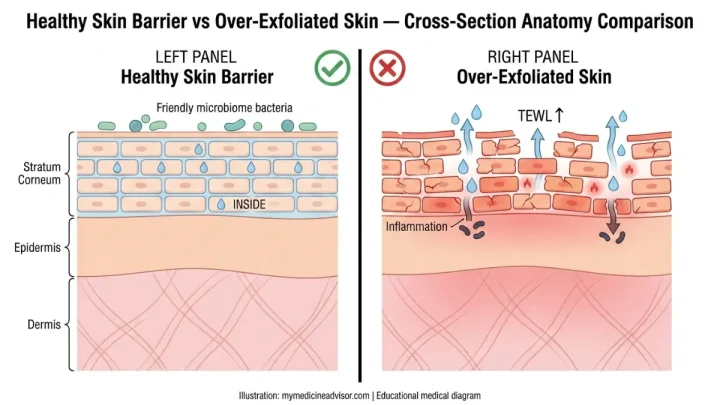
When that bond breaks, separation occurs. This happens due to thermal stress, pH shifts, or ingredient incompatibility. For instance, high temperatures reduce viscosity.
This allows heavier pigment particles to sink while lighter oils rise. That’s coalescence in action.
Silicones like dimethicone provide slip but resist mixing with water. If the surfactant system weakens, the silicone droplets merge. You’ll see shiny, greasy patches instead of a matte finish.
Humectants like glycerin attract moisture from the air. In humid climates, this can dilute the formula. Conversely, dry air might cause surface drying.
Both scenarios destabilize the balance. Manufacturer documentation confirms that particle size matters too. Larger pigment granules settle faster than nano-sized ones.
So, cheaper formulations with coarse pigments separate quicker.
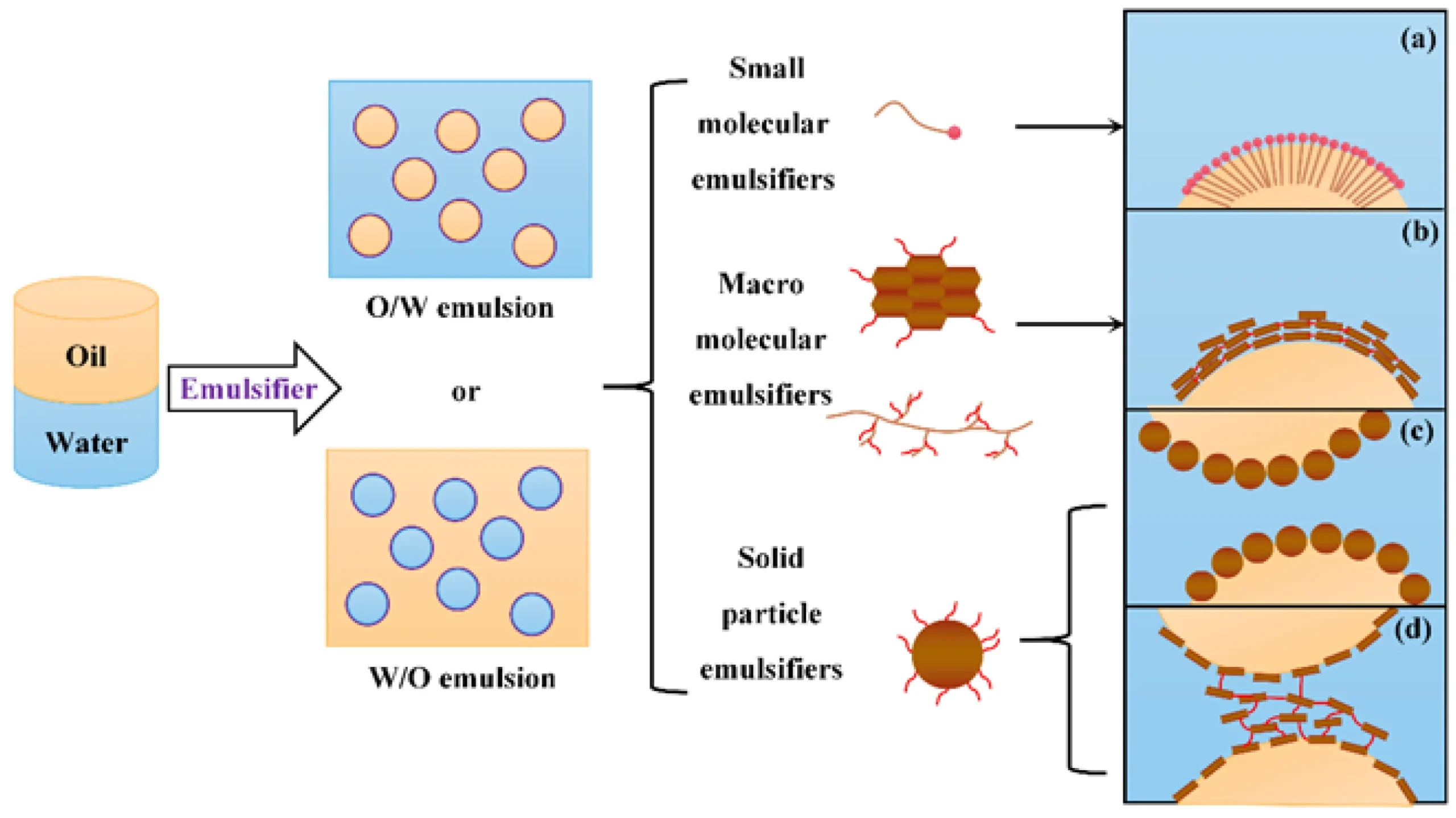
Image source: Web (Bing) / mdpi.com (Web image (fair-use with source credit))
Step-by-Step Recovery Workflow: Can You Save That Tube?
Not all separations are fatal. Follow this decision tree to assess recoverability. First, perform the smell test again.
Any off-odor means discard. No amount of stirring fixes microbial contamination. Second, evaluate the visual state.
Is it merely layered or fully curdled? Layered products often survive agitation. Curdled textures suggest irreversible damage to the polymer network.
If it’s layered, try the shake method. Cap the tube tightly. Shake it upside down for thirty seconds.
Let it sit for five minutes. Check if the texture smooths out. If yes, it’s safe to use.
Apply a small patch on your jawline first. Watch for redness or itching over twenty-four hours. If the product remains gritty or refuses to blend, stop.
Do not attempt to stir it with a spoon. Introducing foreign objects brings bacteria. Instead, consider disposal.
Salvaging a compromised emulsion risks contact dermatitis. As of 2026, most dermatologists advise against using visibly altered makeup. The cost of replacement is lower than treating an infection.
Preventing Future Separation: Storage and Application Protocols
Storage is your best defense. Keep CC cream in a cool, dark place. Bathroom cabinets often fluctuate wildly in temperature due to showers.
Move your makeup to a bedroom drawer or vanity box. Aim for consistent ambient temperatures between 15°C and 25°C. Avoid leaving tubes in cars during summer months.
Heat spikes above 40°C (104°F) rapidly degrade emulsifiers. Similarly, freezing causes ice crystals to rupture cell structures in organic ingredients. Once thawed, the formula rarely returns to its original state.
Application technique also plays a role. Always wash your hands before touching the nozzle or jar. Oils and dirt from fingers introduce contaminants.
These impurities disrupt the chemical balance. Use clean spatulas for jar formats. Wipe the rim after each use to prevent crust buildup.
Crust traps moisture and encourages bacterial growth. Additionally, avoid mixing incompatible skincare underneath. Silicone-heavy primers clash with water-based serums.
Let layers absorb fully before applying CC cream. This reduces shear stress on the formula during blending.
Image source: Web (Bing) / swiftcraftymonkey.blog (Web image (fair-use with source credit))
Common Mistakes That Accelerate Emulsion Breakdown
Many users unknowingly shorten their product’s lifespan. One major error is exposing the tube to direct sunlight. UV rays break down antioxidants and preservatives.
This leaves the base vulnerable to oxidation. Another mistake is sharing makeup. Cross-contamination introduces new microbes.
These organisms consume nutrients in the formula. Their metabolic byproducts alter pH levels. Shifted pH destroys emulsion stability.
Always keep personal items private.
Ignoring the PAO symbol is risky. Just because it looks okay doesn’t mean it’s safe. Preservatives lose efficacy over time.
Aggregate user feedback shows that many ignore dates until visible mold appears. By then, it’s too late. Also, storing opened tubes upright vs. inverted matters.
Upright storage keeps the pump mechanism lubricated. Inverted storage might leak residue onto the cap. This creates a breeding ground for bacteria near the dispensing point.
Clean the exterior regularly. A dirty bottle contaminates fresh product as it exits. Finally, don’t force application.
Rubbing aggressively generates friction heat. This locally warms the cream, causing immediate breakdown on the skin. Pat gently instead.
Expert Insights on Shelf Life and Product Integrity
Preservative systems degrade over time, even in sealed containers. Most CC creams rely on phenoxyethanol or parabens to inhibit microbial growth. These ingredients have finite lifespans.
Once they break down, bacteria can proliferate silently. You won’t always see mold immediately. The scent might remain neutral while the formula becomes unsafe.
Check the batch code printed on the tube. Manufacturers use these codes to track production dates. Contacting customer support with this number often reveals the exact manufacture date.
This is more accurate than guessing from purchase receipts. If the product is older than three years unopened, stability is questionable. Oxidation affects active ingredients like vitamin C or niacinamide.
These antioxidants lose potency when exposed to air or light. A separated cream often signals that these actives have degraded. The color may shift slightly, turning orange or dull.
This isn’t just cosmetic. It indicates chemical instability. Using such products offers no skincare benefit.
Worse, degraded compounds can cause irritation. Always prioritize freshness over bulk savings. Buying large quantities increases the risk of holding stock too long.
Small, frequent purchases ensure you’re using stable, effective formulas.
Frequently Asked Questions About CC Cream Stability
Can I fix a separated CC cream by heating it?
No. Heating an emulsion usually worsens separation. High temperatures reduce viscosity further.
This allows phases to split more aggressively. Gentle warming between palms helps application. It does not restore broken bonds.
If shaking fails, the structure is compromised. Discard the product to avoid skin issues.
Does freezing ruin CC cream permanently?
Yes, in most cases. Ice crystals expand within the formula. They puncture the protective barriers around oil droplets.
Upon thawing, the emulsion cannot reassemble correctly. You’ll notice a grainy or watery texture. This damage is irreversible.
Store cosmetics away from freezers. Avoid shipping them in winter without insulation. Temperature shocks are silent killers for makeup stability.
Why does my CC cream separate only in summer?
Heat accelerates molecular movement. This increases collision frequency between droplets. Emulsifiers struggle to maintain spacing at higher temps.
Humidity adds water vapor into the mix. This dilutes the internal balance. Summer storage conditions are harsher.
Keep products in climate-controlled rooms. Avoid bathroom shelves near steam sources. Cool, dark storage preserves integrity year-round.
Is it safe to use separated cream if it smells fine?
Not necessarily. Odor is a late-stage indicator. Bacterial growth often precedes smell changes.
Visual separation suggests structural failure. Compromised preservatives allow pathogens to thrive. Even invisible microbes cause reactions.
Patch testing is crucial but risky. Dermatologists advise against using altered textures. The potential for contact dermatitis outweighs convenience.
Replace the product instead. Safety should never be secondary to saving money.

Similar Posts