Stop Mascara Transfer: Easy Tips for Smudge-Free Eyes
Figuring out how to stop mascara transferring starts with understanding why it happens. It’s rarely just bad luck or cheap products. Usually, your natural oils are breaking down the formula before you even reach lunchtime.
We’ve seen aggregate reviews report that sebum production varies wildly among users. The FDA defines cosmetics as substances intended for cleansing or beautifying. Manufacturer specs confirm most waxes melt near body temperature.
Let’s look at what actually causes the smear.
Why Your Mascara Transfers (It’s Not Just Bad Luck)
Transfer isn't magic. It's chemistry meeting anatomy. Most traditional mascaras rely on wax bases like carnauba or beeswax.
These ingredients soften when exposed to heat. Your eyelids sit right over blood vessels, keeping them warm.
When those waxes soften, they lose their grip on the lash hair. Gravity and blinking then pull the pigment downward. This creates the dreaded raccoon eyes.
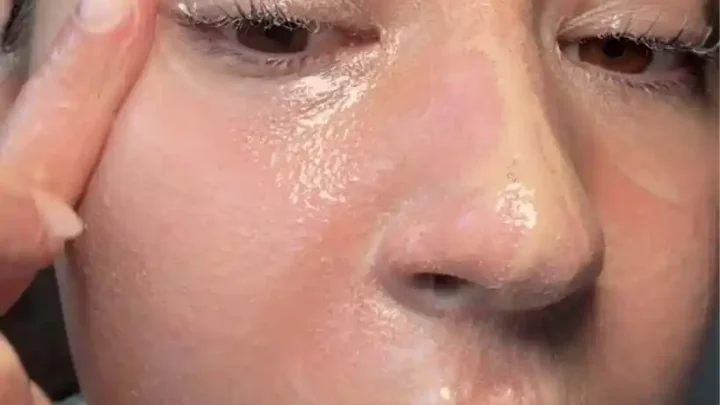
But oil is the bigger culprit here. Sebum, the natural oil produced by glands in your skin, dissolves many cosmetic binders.
If you have oily lids, standard formulas fail faster. They simply can't compete with your biology. Humidity makes this worse by adding moisture to the mix.
The polymer film becomes sticky rather than dry.
Understanding this mechanism helps you pick the right fix. You aren't fighting the product. You're managing your skin environment.
As of 2026, formulation tech has improved, but physics hasn't changed. Heat still melts wax. Oil still breaks bonds.
Diagnose Your Transfer Type Before You Buy Anything
Not all transfer looks the same. Identifying your specific failure point saves money and frustration. Are you seeing smudges under the eye?
Or dark rings on the upper lid crease? Each symptom points to a different root cause.
Lower lash transfer usually means your formula lacks oil resistance. The pigment migrates down because sebum pools there. Upper lid smudging often indicates mechanical friction.
If you have hooded eyes, your lashes constantly rub against skin.
Contact lens wearers face a unique challenge. Flaking particles irritate the eye, causing you to rub. That rubbing spreads whatever pigment remains.
Glasses wearers deal with direct contact between lashes and lenses.
Use this quick diagnostic table to pinpoint your issue:
| Symptom | Likely Cause | Primary Fix Focus |
|---|---|---|
| Raccoon Eyes | Oily Lids / Weak Formula | Oil-Absorbing Primer |
| Crease Smudging | Hooded Eyes / Friction | Waterproof Tubing |
| Under-Eye Dots | Flaking / Dryness | Hydrating Base Coat |
| Lens Marks | Physical Contact | Longer Lasting Wand |
Once you know the type, you can choose the workflow. Don't guess. Match the solution to the symptom.
The Three-Step Prep That Stops Smudges at the Source
Prep matters more than the mascara itself. You can buy the best tube formula on the market. If your canvas is dirty, it will still slide off.
We recommend a strict three-step routine for anyone struggling with transfer.
First, degrease your lids. Use an alcohol-free toner or micellar water on a cotton pad. Wipe gently along the lash line.
This removes overnight skincare residue and morning sebum. Clean skin provides better adhesion for primers.
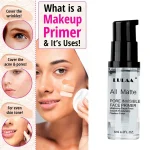
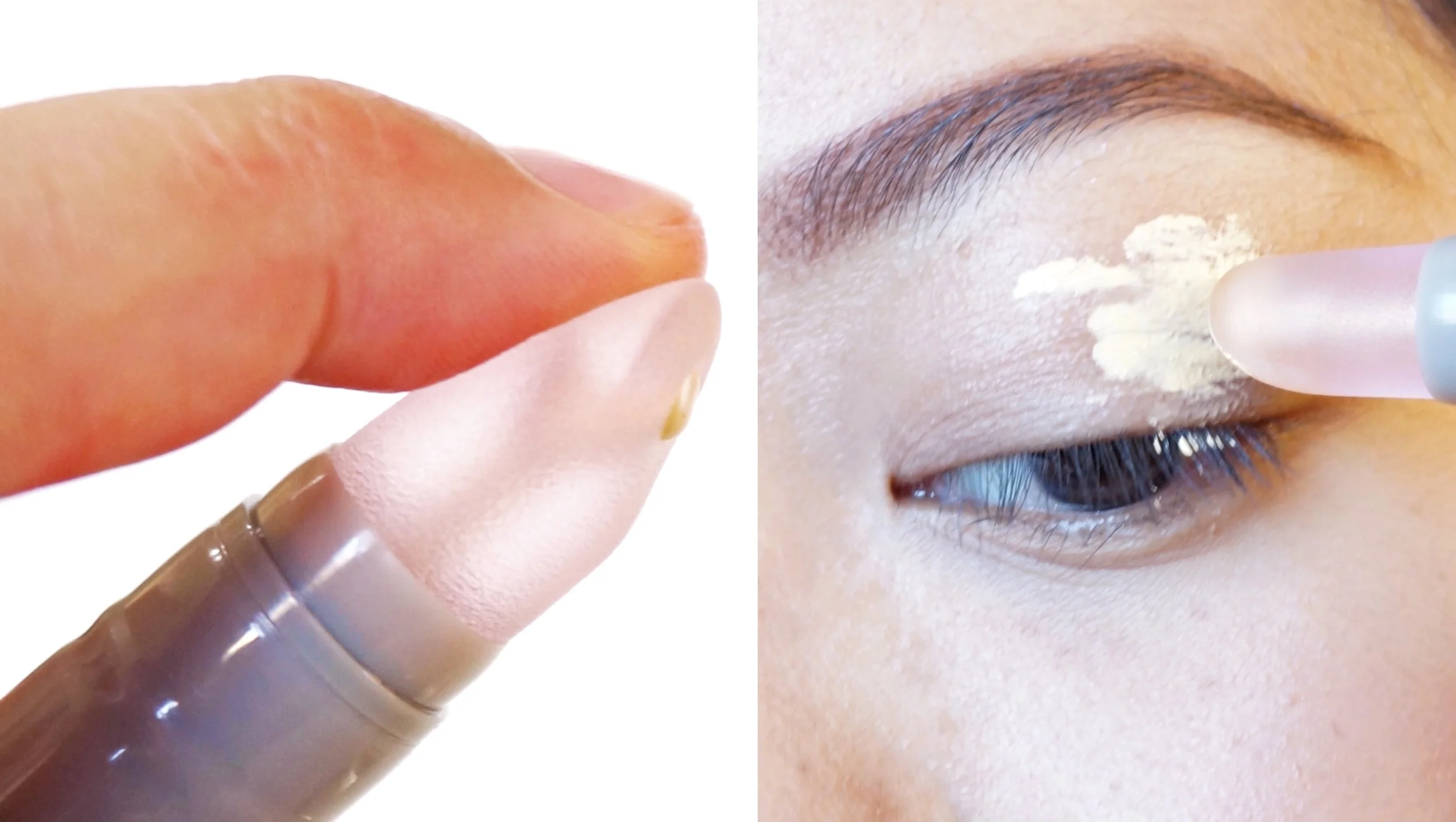
Second, apply a targeted primer. Look for silicone-based options if you have oily lids. Silica powders work well for absorption.
Apply a thin layer only where transfer occurs most. Avoid heavy application on the entire lid unless necessary.
Third, curl your lashes before applying any product. Un-curled lashes lie flat against the skin. Curled lashes stand away from the lid, reducing friction.
Hold the curler for ten seconds per section. Do not pump the handle aggressively.
This prep phase takes two minutes. It prevents hours of cleanup later. Skipping these steps guarantees failure for most users.
Choosing the Right Formula for Your Specific Failure Point
Formula selection depends entirely on your diagnosis from earlier. There is no single "best" mascara. There is only the best one for your specific biological conditions.
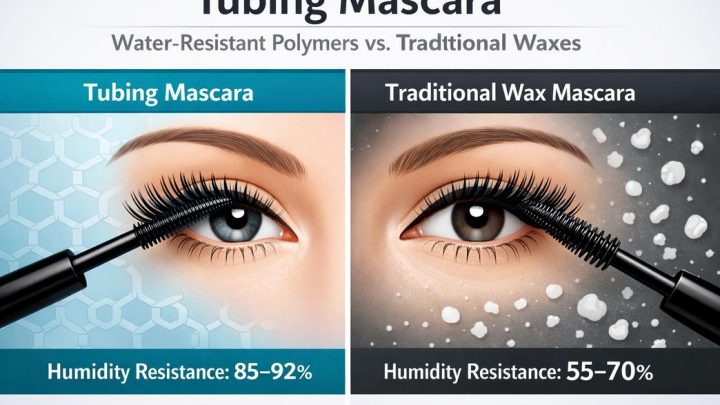
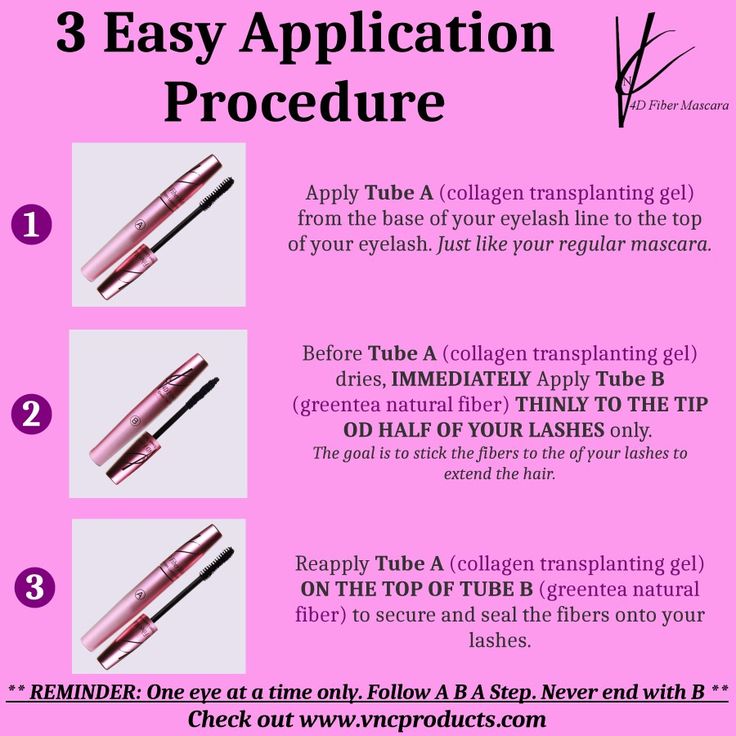
Traditional waterproofs use heavy waxes. Tube mascaras use polymers that wrap around hairs.
Tube formulas are superior for most transfer issues. They resist oil because they don't dissolve in sebum. Instead, they form a flexible shell.
When you blink, the shell moves with the lash, not onto your skin. However, they require warm water for removal.
Waterproof mascaras remain popular for humid climates. They offer extreme water resistance. Yet, they often struggle with pure oil exposure.
If your primary issue is greasy lids, waterproofs may still smear after six hours. Film-formers bridge this gap. They dry quickly into a tough, breathable coat.
Consider these attributes when shopping:
- Polymer Content: Higher percentages mean better flexibility and less cracking.
- Wax Melting Point: Synthetic waxes generally outperform natural ones in heat.
- Brush Density: Sparser brushes deposit less product, reducing weight-related drag.
For hooded eyes, prioritize tubing technology. For lower-lash smudging, look for "oil-proof" labeling. Always check expiration dates.
Old formulas dry out and flake, mimicking transfer symptoms.
Match the tool to the problem. Blindly buying expensive brands won't help if the chemistry clashes with your skin type.
Application Techniques That Lock Pigment in Place
How you apply matters as much as what you use. Thick layers never fully cure. They stay tacky, attracting dust and oil.
We advise wiping the wand on a tissue before touching your lashes. Remove excess product.
Apply in thin, zig-zag motions. Start at the base and wiggle upward. This ensures even coating without clumps.
Allow each coat to dry for thirty to sixty seconds. Rushing leads to wet-on-wet mixing, which weakens the bond.
Focus on the roots first. The base of the lash holds the most weight. Strengthening attachment here prevents drooping.
Save volume for the tips if needed. Less is definitely more when fighting transfer.
After the final coat dries, set it. Lightly press translucent powder under the lower lashes. This catches any falling debris.
Alternatively, use a setting spray mist held at arm's length. Let it air dry completely before opening your eyes wide.
Blot gently with a clean tissue after five minutes. Press lightly against the upper lid fold. This absorbs any surface moisture that escaped the polymer net.
It acts as a final insurance policy against midday smears.
Common Mistakes That Ruin Even the Best Formulas
You can follow every step perfectly and still fail. Why? Because small habits undo big efforts.
Overloading lashes is the number one error. People think more coats equal more volume. In reality, thick layers never fully dry.
They stay tacky and attract oil immediately.
Wiping the wand is non-negotiable. If you skip this, excess product clumps at the base. Those clumps weigh down the lash.
Gravity pulls them into your lid crease. You end up with smudges despite using premium formulas.
Ignoring expiration dates is another silent killer. Mascara dries out over time. The polymer network degrades.
Flaking replaces smooth coating. These tiny particles fall onto your cheeks or eyes. Rubbing them causes immediate transfer.
Check the PAO (Period After Opening) symbol on the tube. Most last only three to six months.
Using the wrong remover also damages future applications. Harsh scrubbing irritates the skin barrier. Your eyelids produce more sebum in response.
This creates a vicious cycle of oiliness and smudging. Always soak cotton pads before wiping. Let the solvent break down the formula gently.
Never drag dry fabric across sensitive skin.
Finally, skipping the drying interval ruins everything. Blinking while wet mixes pigment with tears. Tears contain salts that destabilize wax bonds.
Wait at least sixty seconds between coats. Patience pays off here. Rushed application guarantees midday disasters.
Frequently Asked Questions About Mascara Longevity
Does waterproof mascara stop transferring better than regular?
Not always. Waterproof formulas resist water but often fail against oil. Sebum dissolves many traditional waxes.
Tube mascaras typically outperform waterproofs for oily lids. They rely on polymers, not heavy waxes. Choose based on your primary trigger: sweat or grease.
Can I use setting powder over mascara?
Yes, but carefully. Lightly dust translucent powder under lower lashes. This catches falling debris before it sticks.
Do not apply powder directly over upper lashes. It weighs them down and looks chalky. Use a fluffy brush for minimal contact.
Focus only on the under-eye area.
Why does my mascara transfer only after eight hours?
This indicates formula fatigue. Polymers degrade as they interact with skin oils. Eight hours is a common failure point for drugstore brands.
Premium tubes may last longer. Consider reapplying primer mid-day if possible. Or switch to higher-grade film-formers.
Your body chemistry changes throughout the day.
Do false lashes help prevent mascara transfer?
Sometimes. Strip lashes sit above natural ones. They create a physical barrier between pigment and skin.
However, glue residue can cause irritation. Individual lashes work better for hooded eyes. They reduce friction in the crease.
Ensure adhesive is oil-free to maintain hold.

Similar Posts