How to Remove Stubborn Makeup Residue From Your Face
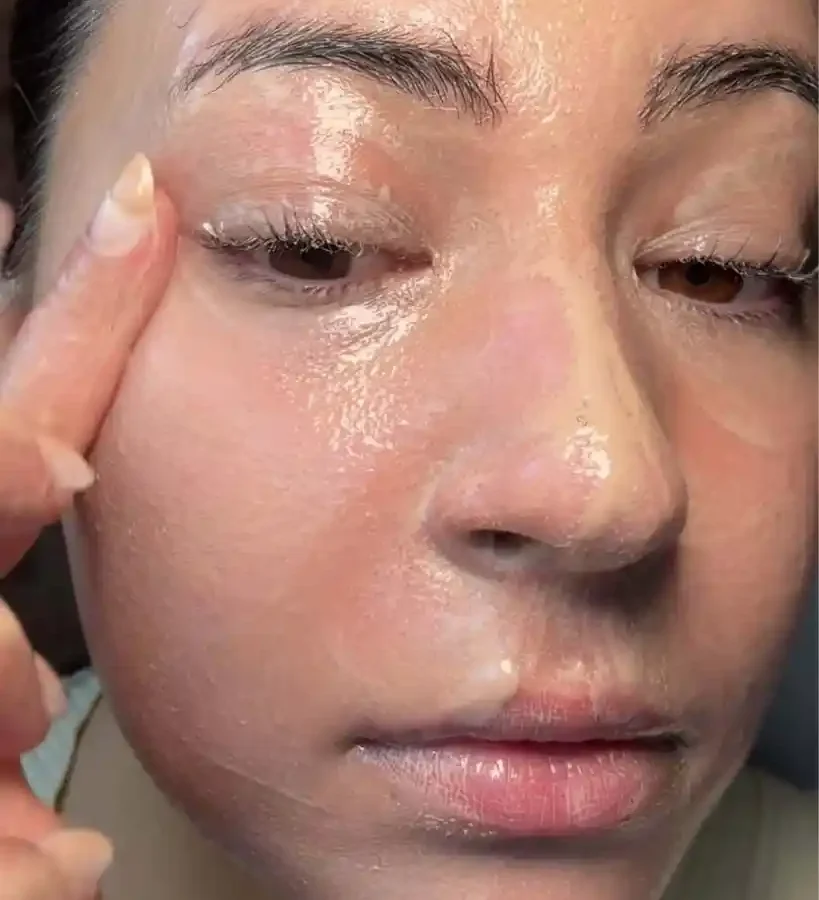
Figuring out how to clean makeup residue from the face feels harder than it should. You wash, you scrub, yet that stubborn film remains. It clogs pores and dulls your skin’s natural glow.
The issue isn’t usually effort. It’s strategy.
Most people grab a generic foaming cleanser and hope for the best. That approach fails against modern long-wear formulas. As of 2026, cosmetics rely heavily on silicones and polymers designed to resist water alone.
Without the right solvent, those ingredients stay put. Let’s break down exactly which method works for your specific situation.
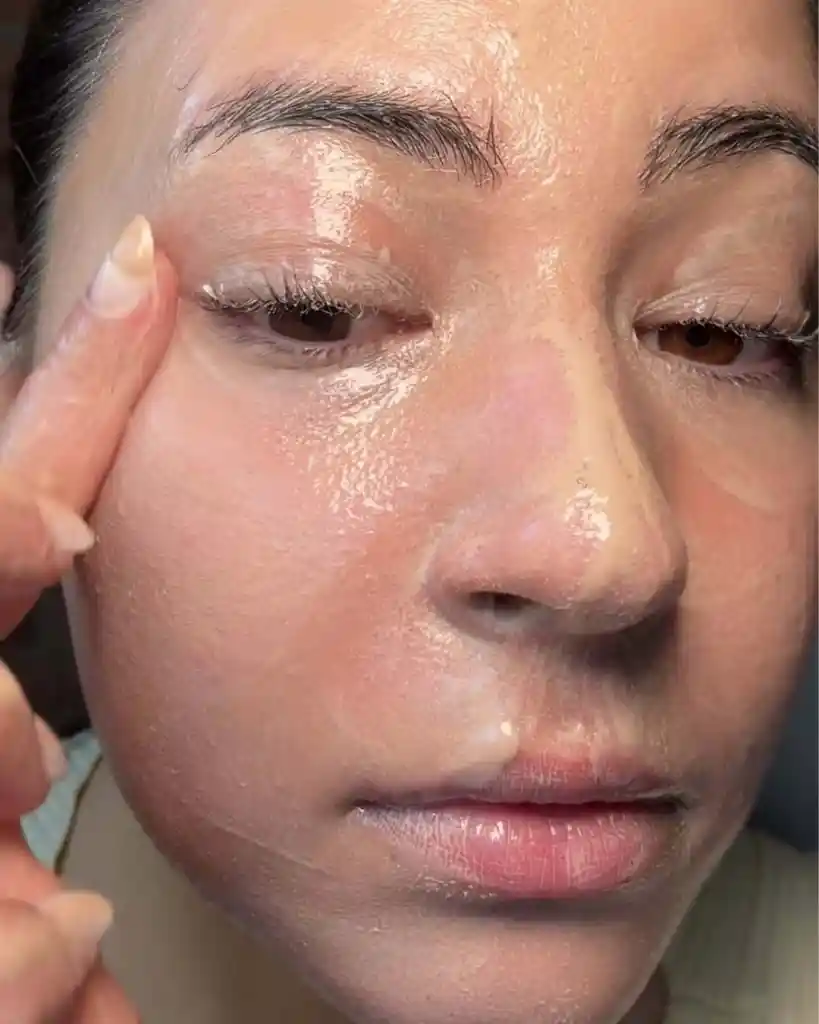
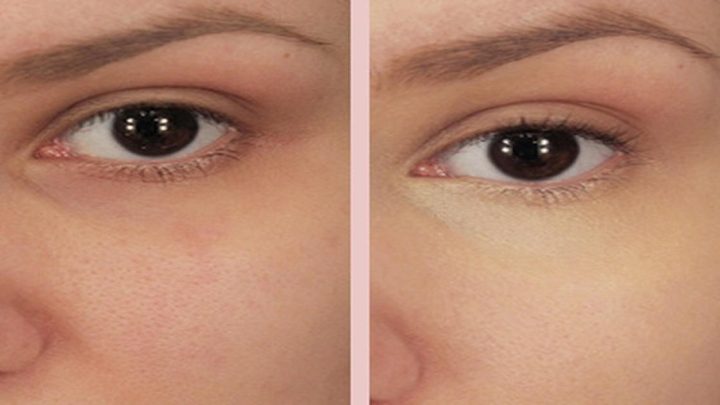
Image source: Web (Bing) / whiterabbitsocial.com (Web image (fair-use with source credit))
Why One-Size-Fits-All Cleansing Leaves Residue Behind
Your skin produces sebum, an oil-based substance. Most makeup bases are also oil-soluble. Water repels both.
When you use only water or a mild gel, you’re fighting chemistry with brute force. This leaves behind microscopic particles of pigment and binder.
Think of it like trying to remove grease from a pan with just cold water. It won’t lift. You need heat or soap to break the bond.
On your face, "heat" translates to compatible oils or emulsifiers. Using a harsh surfactant might strip your acid mantle, causing dryness without actually removing the waxy residue.
The American Academy of Dermatology notes that over-cleansing disrupts the skin barrier. This leads to inflammation and sensitivity. Yet, under-cleansing traps bacteria.
The sweet spot is selective dissolution. You must match the remover’s solvency to the makeup’s composition. If you ignore this step, you’ll always chase ghosts in your mirror.
Diagnose Your Makeup Type Before You Pick a Remover
Start by identifying what’s on your face. Not all makeup behaves the same way. A light dusting of powder requires different handling than a full-coverage foundation mixed with SPF.
Misdiagnosis here guarantees failure downstream.
Here is a quick diagnostic guide:
| Makeup Category | Key Ingredients | Solvent Needed | Risk if Wrong Method Used |
|---|---|---|---|
| Waterproof Mascara/Liner | Waxes, Silicones, Polymers | Oil-Based Balm or Micellar | Smearing, lash loss, irritation |
| Long-Wear Foundation | Dimethicone, Trimethylsiloxysilicate | Cleansing Oil or Balm | Clogged pores, gray cast next day |
| Mineral Powder | Zinc Oxide, Titanium Dioxide | Gentle Gel or Milk | Unnecessary stripping, dry patches |
| Cream Blush/Stick | Beeswax, Carnauba Wax | Warm Cloth + Oil | Pigment staining, uneven tone |
If you wear transfer-proof lipstick, you likely have high-polymer content. These form a flexible film that adheres tightly to mucous membranes. Standard soap cannot penetrate this matrix.
You need lipid-rich agents to dissolve the bonds gently. Conversely, if you only wear tinted moisturizer, a heavy balm might feel suffocating. Match the weight of the cleaner to the weight of the product.
The Double-Cleansing Workflow for Waterproof and Long-Wear Formulas
Double cleansing is the gold standard for heavy makeup removal. It involves two distinct phases. First, you use an oil-based product to dissolve makeup and sunscreen.
Second, you use a water-based cleanser to remove sweat and debris. This ensures nothing left behind interferes with your nighttime skincare.
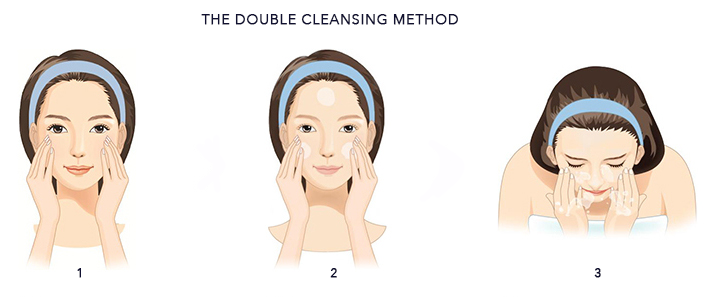
Start with dry hands and a dry face. Apply a cleansing balm or oil. Massage gently for thirty seconds.
Focus on areas with the heaviest coverage. Add lukewarm water slowly. Watch the oil turn milky.
This emulsification process lifts the grime off the skin surface. Rinse thoroughly.
Follow immediately with a gentle, pH-balanced foam or gel cleanser. This second step removes any remaining oily residue. Manufacturer specifications indicate that skipping the rinse between steps can leave a slick film.
Ensure you splash water repeatedly until the skin feels clean, not slippery. Finish by patting dry with a fresh towel. Do not rub.
Rubbing reintroduces friction and potential irritation after you’ve just softened the barrier.
Single-Step Solutions for Light Coverage and Sensitive Skin
Not everyone needs double cleansing. If you wear minimal makeup or have extremely reactive skin, a single-step approach may suffice. The goal here is efficiency without compromise.
You want to remove impurities while preserving moisture levels.
Micellar water is the top choice for this scenario. It contains micelles, tiny clusters of surfactants suspended in soft water. These clusters attract dirt and oil like magnets.
Soak a reusable cotton pad generously. Press it onto your skin for ten seconds. Let the micelles do the work.
Then wipe outward gently. Repeat until the pad comes away clean.
For those who dislike cotton pads, milk cleansers offer a luxurious alternative. They contain fats and proteins that bind to makeup pigments. Massage the milk onto damp skin.
It breaks down light foundations and sunscreens effortlessly. Rinse with cool water. This method avoids the drying effects of sulfates found in many foams.
Per FDA cosmetic labeling guidelines, products marketed for sensitive skin must undergo rigorous safety testing. Look for terms like "non-comedogenic" and "fragrance-free" on the label.
Handling Eye Area Residue Without Causing Irritation or Droopiness
The skin around your eyes is thinner and more delicate than facial skin. Aggressive rubbing causes micro-tears and accelerates sagging. Waterproof mascara is notoriously difficult to remove.
It clings to lashes and settles into creases. Patience is your primary tool here.
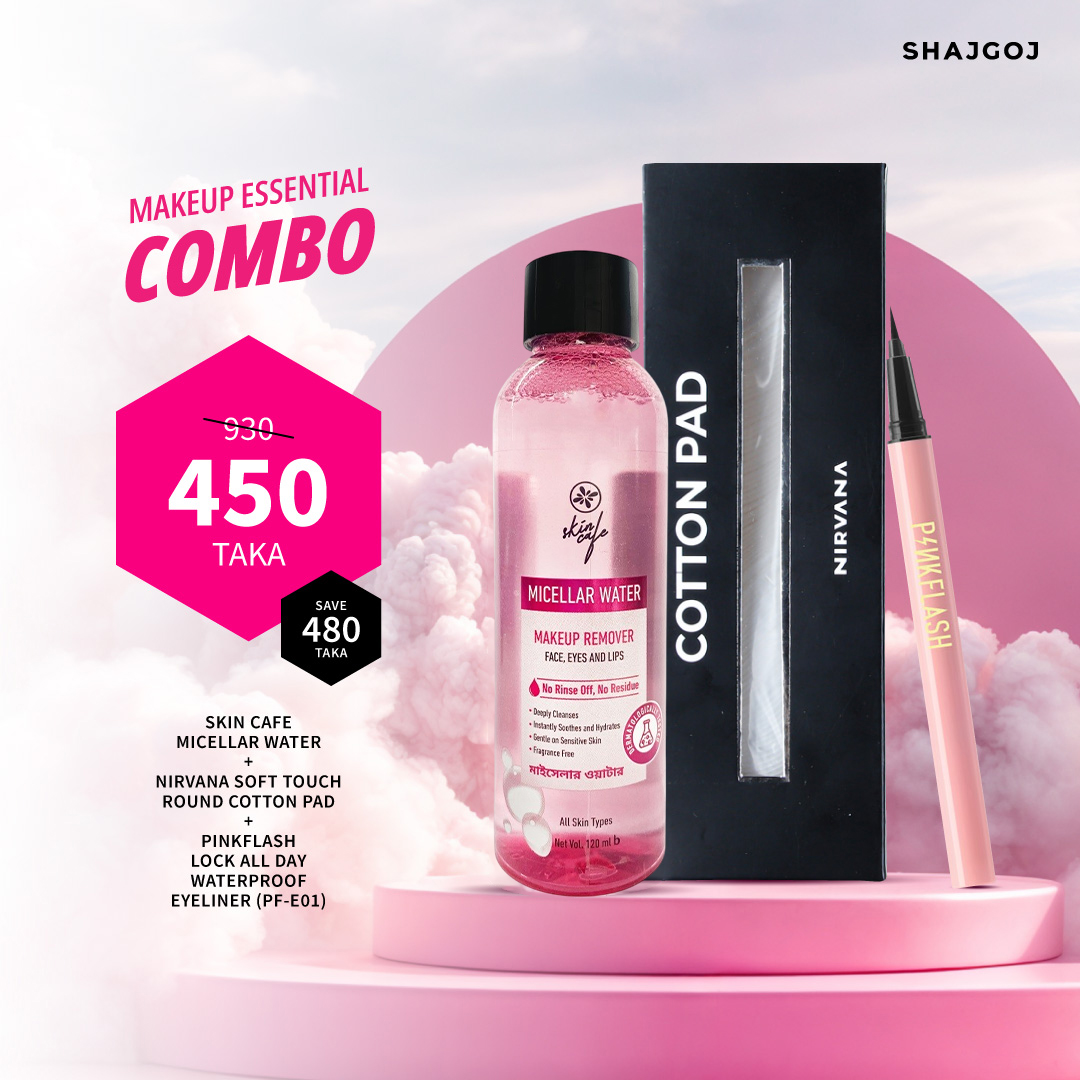
Soak a cotton swab or small pad in an oil-based remover or biphasic solution. Hold it against closed eyelids for fifteen to twenty seconds. Do not drag.
Let the solvent penetrate the wax bonds. Once loosened, swipe downward along the lash line. Never pull upward.
Gravity helps shed the debris.
Use a separate clean swab for each eye to prevent cross-contamination. If you wear false lashes, avoid soaking them directly unless they are reusable synthetic fibers. Glue residues require specialized adhesive removers.
For natural lashes, stick to gentle oils like jojoba or almond. These strengthen hair follicles while dissolving pigment. Check aggregate user reviews for stinging sensations before committing to a new formula.
If it burns, stop immediately. Switch to a saline-based micellar water instead.
Common Mistakes That Strip the Barrier or Push Pigment Deeper
Using hot water is a frequent error. It feels satisfying, but it dissolves natural lipids too quickly. Your skin loses moisture faster than you can replace it.
Stick to lukewarm temperatures instead. This preserves the acid mantle while still softening waxy residues.
Another trap is relying solely on makeup wipes. They spread grime rather than lifting it away. Friction from wiping causes micro-abrasions on delicate tissue.
If you must use them for travel, follow up with a proper rinse. Never sleep in them. The alcohol content dries out cells overnight, leading to premature aging signs.
Scrubbing aggressively is counterproductive. Physical exfoliants like walnut shells create tiny tears. These openings invite bacteria and inflammation.
Let chemistry do the heavy lifting. Oil dissolves oil. Time does the rest.
Rushing the process forces you to compensate with pressure. That’s where damage occurs. Slow, circular motions are safer and more effective for long-wear formulas.
Finally, ignoring clean tools breeds breakouts. Dirty sponges harbor mold and old sebum. Wash reusable pads weekly.
Replace disposables after each use if they’re saturated. A clean canvas starts with clean instruments. Don’t let hygiene slip just because you’re tired at night.
Quick Reference: Matching Cleanser to Condition
Choosing the right product saves time and prevents irritation. Here’s how to align your cleanser with your specific needs. Use this table as a decision guide before buying new stock.
| Skin Concern | Makeup Intensity | Recommended First Step | Follow-Up Action |
|---|---|---|---|
| Oily/Acne-Prone | Heavy/Foundation | Non-comedogenic Cleansing Oil | Salicylic Acid Gel Wash |
| Dry/Dehydrated | Moderate/Cream | Rich Balm or Milk Cleanser | Hydrating Cream Cleanser |
| Sensitive/Rosacea | Light/Powder | Fragrance-Free Micellar Water | Gentle Foamless Wash |
| Post-Procedure | Minimal/Sunscreen | Cool Compress + Mild Surfactant | Barrier Repair Serum |
If you have active acne, avoid heavy occlusives that might clog pores further. Look for labels stating "non-comedogenic." For dry skin, prioritize ingredients like squalane or ceramides in your remover. These replenish lost lipids during the cleaning process.
Sensitive types should steer clear of essential oils and high-alcohol formulas. Patch test any new product on your jawline first. Wait twenty-four hours to check for reactions.
Remember that climate plays a role. Humid summers may require lighter textures to prevent greasiness. Dry winters demand richer balms to combat tightness.
Adjust your routine seasonally. What works in July might feel suffocating in January. Flexibility ensures consistent results year-round.
Don’t stick to one bottle if your skin changes. Listen to its signals. Tightness means over-cleansing.
Grease means under-cleansing. Balance is key.
Frequently Asked Questions
Can I skip double cleansing if I only wear sunscreen?
No. Modern sunscreens contain film-formers that resist water alone. An oil-based first step breaks down these polymers effectively.
Skipping it leaves residue that blocks pores. Always start with an oil or balm for SPF removal. Then follow with your regular face wash.
This two-part system ensures complete clearance without harsh scrubbing.
How often should I deep clean my makeup brushes?
Wash bristles every seven to ten days. Accumulated bacteria cause breakouts and dull colors. Use a gentle brush shampoo or olive oil mixture.
Rinse until water runs clear. Lay flat to dry completely before reuse. Neglected tools reintroduce dirt onto freshly cleaned skin.
Consistency here protects your investment in skincare products.
Is coconut oil safe for removing eye makeup?
It depends on your sensitivity. Coconut oil is comedogenic for many people. It can trigger milia around the eyes.
Jojoba or almond oil are safer alternatives. They mimic natural sebum closely. Test a small area first.
If no reaction occurs within forty-eight hours, proceed cautiously. Avoid getting it directly into the tear ducts.
Why does my foundation still look patchy after washing?
Residual silicone primer likely remains. Silicones create a slippery barrier that repels water. You need an oil-soluble agent to dissolve them.
Try massaging a cleansing balm into dry skin longer. Emulsify thoroughly before rinsing. Incomplete emulsification leaves a film.
This interferes with next-day application. Ensure no slick feeling remains post-rinse.

Similar Posts