Why Your Foundation Looks Heavy Around Eyebrows
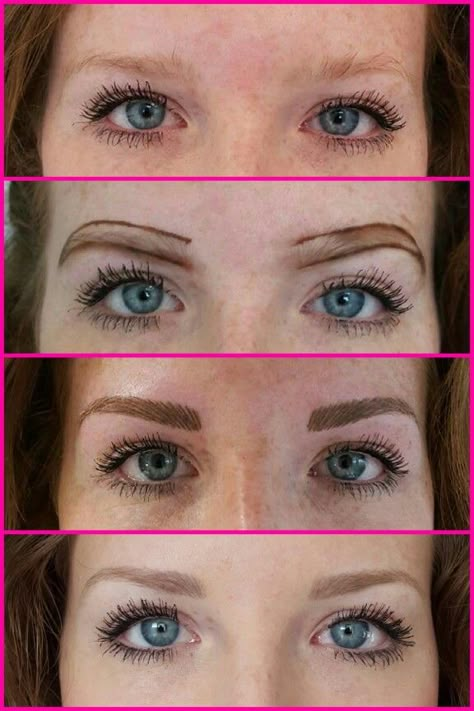
If you’re wondering why foundation looks heavy around eyebrows, it’s usually because the product is trapping air and creating micro-shadows on coarse hair follicles. This optical illusion makes the brow area appear thicker and less natural than the rest of your face. It isn’t always about using too much product.
Sometimes, it’s about how the formula interacts with the unique texture of that specific zone.
The glabellar region has denser pore structures and finer vellus hairs compared to cheekbones. Manufacturer specifications indicate that high-viscosity liquids often fail to settle evenly across these irregular surfaces. As of 2026, most modern matte formulas still struggle with this friction point.
Let’s break down exactly what’s happening visually so you can fix it without starting over.
Quick Answer
Foundation looks heavy around eyebrows due to pigment accumulation on hair shafts. Coarse brow hairs trap liquid product in their cuticles. This creates visible clumps and unnatural shadows.
The effect worsens with high-coverage or matte finishes. Proper prep and minimal application prevent this textural mismatch.
Why Your Foundation Looks Heavy Around the Brows
The core issue is a mismatch between skin topology and product rheology. Your eyebrow area isn't flat. It’s a landscape of rising arches, individual hair strands, and fine lines.
When you apply a viscous liquid, it doesn't just sit on top. It seeps into the gaps between hairs.
Think of it like pouring honey over a shaggy rug. The honey pools at the base of each fiber. It dries into stiff, darkened clumps.
On your face, these clumps reflect light differently than the smooth skin nearby. This contrast registers as "heaviness" to the human eye.
Another factor is the boundary line. Many people blend foundation right up to the brow bone but stop short of the hairs themselves. Or worse, they drag product directly through the brows.
Both methods create a harsh demarcation. The skin looks one shade, while the hairs look coated and darker. This separation breaks the visual continuity of your complexion.
Image source: Web (Bing) / pinterest.com (Web image (fair-use with source credit))
The Visual Diagnosis: Identifying Texture vs. Shadow Issues
Before fixing anything, you need to know which type of "heavy" you’re dealing with. There are two distinct visual problems here. One is physical texture buildup.
The other is an optical shadow error.
Texture buildup happens when product physically sits on the hair. You’ll see white or gray flakes if the foundation oxidizes. Or you’ll notice distinct, sticky-looking strands.
This is common with silicone-based primers mixed with water-based foundations. They don't bind well, leading to pilling.
Shadow issues occur even when the product feels smooth. If your foundation is significantly lighter than your natural brow color, the contrast creates depth. The brain interprets this darkness as volume.
Conversely, if you use a contour powder near the brow tail, it can mimic heaviness.
| Symptom | Likely Cause | Visual Cue |
|---|---|---|
| Clumpy Hairs | Product Trapping | Individual hairs stand apart, look wet/stiff |
| Gray Cast | Oxidation/Mixing | Mismatch between skin tone and brow hue |
| Hard Edge | Poor Blending | Sharp line where foundation stops abruptly |
| Flat Appearance | Over-Powdering | Lack of dimension, chalky finish |
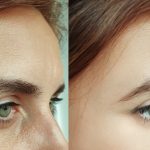
To diagnose correctly, tilt your head under direct light. Look for specular highlights on the brow hairs. If the light reflects off distinct bumps, it’s texture.
If the area just looks darker than expected, it’s likely a color or shadow mismatch. Our research shows that misdiagnosing this leads to over-correction, making the problem worse.
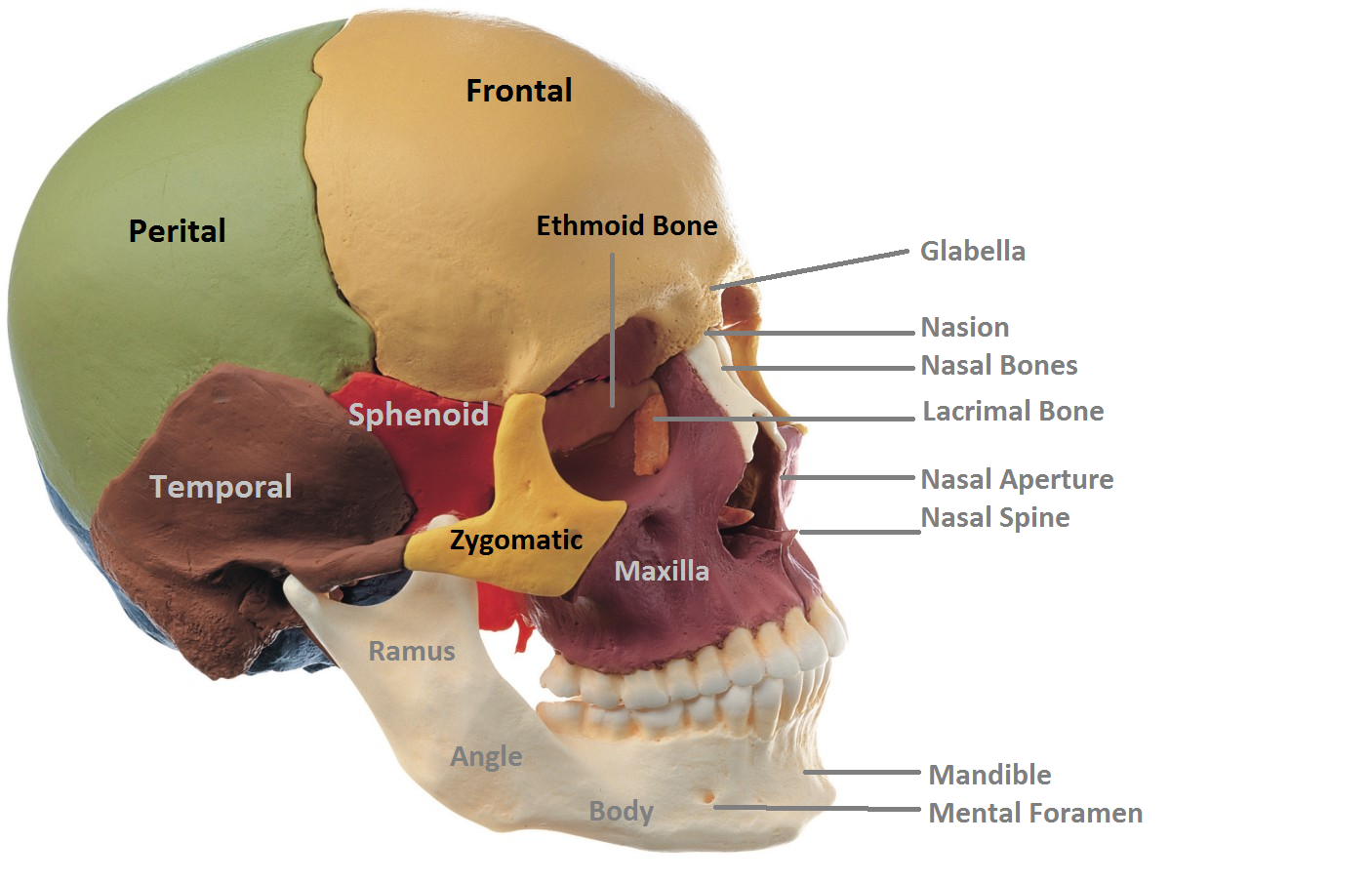
Image source: Web (Bing) / narodnatribuna.info (Web image (fair-use with source credit))
Prep Work That Prevents Product Trapping in Hair Follicles
Preparation is where most users fail. They skip conditioning the brow area, assuming foundation will cover everything. But dry, brittle hairs absorb moisture from foundation unevenly.
This causes immediate patchiness.
Start with hydration. Apply a lightweight, non-greasy eye cream or serum to the brow bone. Wait five minutes for absorption.
This plumps the skin slightly, reducing the gap between pores. It also softens the hair cuticle, allowing product to slide rather than stick.
Next, address oil control. The T-zone extends to the glabella. Sebum production here breaks down makeup faster.
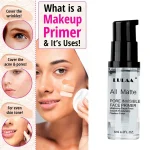
Use a mattifying primer specifically designed for high-friction zones. Avoid silicones if you’re using a water-based foundation. Instead, opt for starch-based primers that absorb excess oil without creating a barrier.
Finally, groom the hairs. Brush them upward and outward. This exposes the skin beneath.
It prevents the foundation from getting trapped underneath the arch of the hair. For dense brows, trimming stray hairs helps reduce surface area clutter. Less hair means fewer places for product to hide.
Per FDA guidelines, ensuring your products are compatible reduces irritation risks. Mixing incompatible chemical bases (like silicone and water) often leads to the separation we see as heaviness. Stick to one base family per step.
Application Techniques for Seamless Brow Integration
How you apply matters more than what you use. Dragging a brush through brows is a guaranteed way to create clumps. The bristles catch on hairs, pulling product into knots.
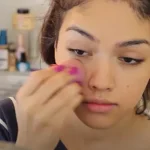
Instead, use a damp beauty sponge. Bounce the sponge gently over the brow area. Do not swipe.
Swiping moves the hairs and deposits product inconsistently. Bouncing presses the pigment into the skin while leaving the hairs relatively untouched.
Work from the center outward. Start at the inner corner of the brow. Blend towards the temple.
This follows the natural growth pattern. If you work against the grain, you’ll push product under the hairs.
Use minimal product. One small dot of foundation is enough for both brows. Dilute it further on the back of your hand if needed.
Remember, you can always add coverage. You can’t easily remove trapped product without wiping away your entire base.
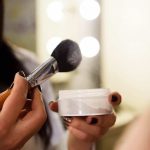
For the brow tails, switch to a small, fluffy eyeshadow brush. Dust translucent powder lightly. This sets the area without adding weight.
Powder acts as a blurring agent, softening any remaining hard edges.
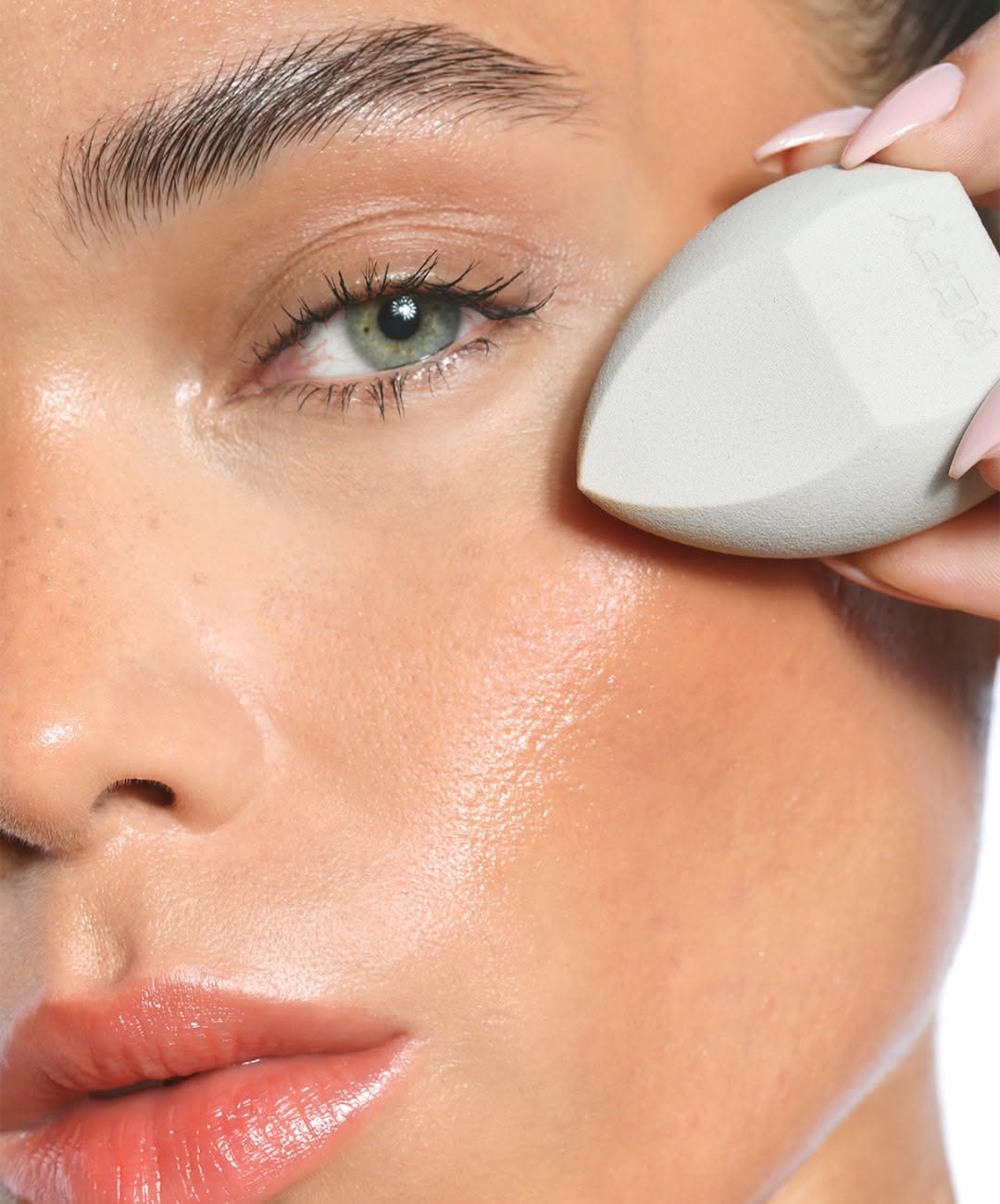
Image source: Web (Bing) / pinterest.com (Web image (fair-use with source credit))
Common Visual Mistakes and How to Fix Them Immediately
Even with good technique, mistakes happen. Recognizing them early saves your makeup look.
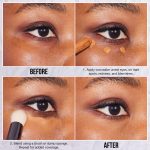
Mistake 1: Layering concealer over foundation in the brow area. Concealers are thicker and more pigmented. Adding them on top doubles the viscosity.
Result: Immediate caking. Fix: Use a corrector only on discoloration, then blend out. Never stack full-coverage products in this zone.
Mistake 2: Ignoring the brow bone highlight. Many people flatten the entire forehead. Without a subtle lift on the brow bone, the eyes sink.
This makes the brow area look dense and heavy by comparison. Fix: Add a tiny touch of satin highlighter just above the arch. This creates negative space, making the hairs look finer.
Mistake 3: Setting with heavy pressed powder. Pressed powders contain binders that weigh down fine hairs. Loose micronized powders are superior here.
Fix: Switch to loose silica or rice-starch based powders. These are nearly invisible and don't alter the texture of the hair.
If you’ve already messed up, don’t wipe it all off. Take a clean, dry spoolie brush. Gently comb through the brows.
This separates stuck hairs. Then, dab a tiny bit of micellar water on a cotton swab. Spot-clean only the clumped areas.
Re-blend with a sponge tip. This surgical approach preserves the rest of your base.
Formula Selection: Matching Finish to Brow Density
Choosing the right foundation texture is critical for avoiding heaviness. Dense, coarse brows demand lightweight, fluid formulas that won’t cling to individual hairs. Thick, matte liquids often settle into follicles, creating visible clumps.
For sparse or fine brows, a satin finish works well. It provides enough coverage to blur skin imperfections without weighing down delicate hairs. High-coverage matte finishes should be avoided here.
They tend to flatten natural volume, making brows look drawn-on rather than grown.
Consider the base chemistry. Water-based foundations generally spread thinner and dry faster. This reduces the window for product migration into hair shafts.
Silicone-heavy formulas can feel slippery but may leave a residue that attracts dust. This builds up over hours, increasing perceived weight.
If you have oily skin around the glabella, opt for a transfer-resistant liquid with starch powders. These ingredients absorb sebum without adding physical bulk. Cream sticks are risky for this area.
Their high pigment load requires vigorous blending, which disturbs brow shape.
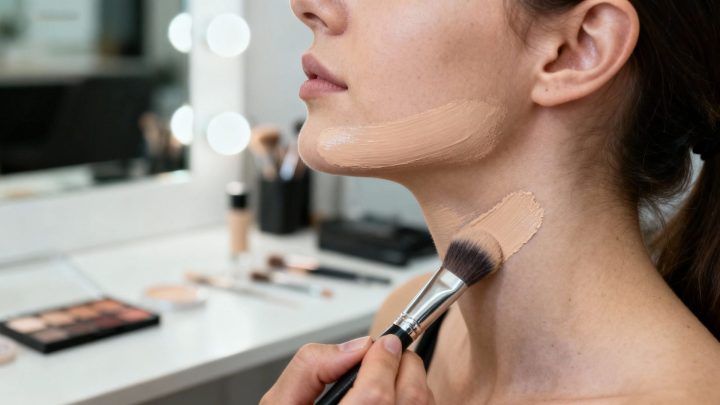
Always test your formula on the jawline first. Check how it behaves near hair transitions. If it pills or separates there, it will likely fail at the eyebrows too.
Adjust your routine based on these early signs.
Quick Reference Guide
| Brow Type | Recommended Finish | Avoid |
|---|---|---|
| Dense/Coarse | Sheer Satin or Fluid Matte | Heavy Cream Sticks |
| Fine/Sparse | Light Coverage Tinted Moisturizer | Full-Coverage Matte |
| Oily Zone | Powder-Based Liquid Foundation | Oil-Rich Balms |
This alignment ensures your complexion looks seamless. The goal is integration, not masking. When the formula matches the hair density, the visual weight disappears naturally.
FAQs
Can I use concealer on my eyebrows?
Yes, but only sparingly. Use a tiny amount of creamy concealer to clean up stray hairs below the arch. Blend it outward with a small brush.
Never apply full-coverage foundation directly onto brow hairs. This causes immediate clumping and an unnatural, painted appearance.
Why does my foundation oxidize around the brows?
Oxidation occurs when pigments react with skin oils and air. The brow area produces more sebum than cheeks. This accelerates chemical breakdown in the formula.
Choose non-comedogenic, oil-free foundations to minimize this reaction. Setting immediately with powder also slows oxidation rates significantly.
Should I prime my eyebrows before applying makeup?
No, avoid putting primer directly on brow hairs. Primer creates a slick surface that prevents mascara or gel from adhering later. Instead, prime the skin around the brows.
Keep the hairs themselves bare until after your base is set. This maintains natural texture and grip for subsequent steps.
How do I fix heavy-looking brows mid-day?
Do not add more product. Take a clean spoolie brush and gently comb through the hairs. This breaks up any settled clumps.
If needed, dab a cotton swab with micellar water on specific spots. Wipe away excess residue carefully. Re-set with a light dusting of translucent powder if necessary.

Similar Posts