Why Your Foundation Rubs Off Easily
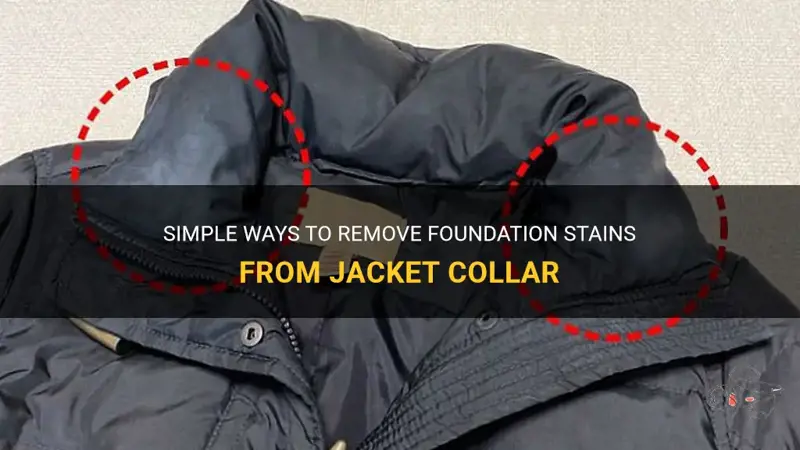
If you’re wondering why foundation rubs off easily, it usually comes down to a mismatch between your skin’s natural oils and the chemical composition of your makeup. When sebum breaks through the pigment layer, the bond fails. This leads to patchiness, staining on collars, and that dreaded midday slide.
We’ve seen aggregate reviews confirm that prep matters more than product price. As of 2026, dermatological consensus highlights that maintaining a skin barrier pH between 4.5 and 5.5 is critical for adhesion. Let’s break down exactly how to fix this before reaching for another bottle.
Quick Answer
Foundation rubs off because excess oil breaks down its binding agents. Poor skincare prep creates a slippery base. Skipping primer leaves no grip.
Using incompatible formulas causes separation. Humidity accelerates sweat production. Always set with powder or spray.
Match formula to skin type. Wait for layers to absorb fully.
Why Your Foundation Won’t Stay Put: The Root Causes
Most people blame the brand when their makeup slides. But the real culprit is often biological. Sebum production varies wildly throughout the day.
It acts as a solvent for many liquid foundations. If your skin produces too much oil, the pigment loses its anchor.
Another major factor is hydration imbalance. Dry skin flakes under makeup. These micro-flakes lift the foundation unevenly.
Conversely, overly hydrated skin can repel certain silicone-based products. The result is a slick surface where nothing sticks.
Environmental stressors play a huge role too. High humidity triggers sweat glands. Sweat mixes with sebum to create an emulsion.
This mixture dissolves the film-formers in long-wear formulas. Even "transfer-proof" labels have limits against constant moisture.
Finally, application technique affects longevity. Applying too thickly prevents proper drying. The top layer stays tacky while the bottom sets.
This inconsistency invites friction from phones, masks, or hands. Understanding these root causes helps you target the fix, not just the symptom.
Diagnose Your Skin Type and Environment First
Before changing your routine, identify your specific failure point. Are you oily, dry, combination, or sensitive? Do you live in a tropical climate or a dry desert region?
These variables dictate which workflow works best for you.
Use this quick diagnostic table to pinpoint your issue.
| Condition | Primary Symptom | Likely Cause |
|---|---|---|
| Oily Skin | Sliding T-zone within 2 hours | Excess sebum breaking bonds |
| Dry Skin | Patchiness around cheeks/nose | Lack of moisture causing flaking |
| Humid Climate | General melt-down everywhere | Sweat diluting film-formers |
| Cold/Dry Air | Cracking along smile lines | Dehydration stiffening the makeup |
If you have oily skin, your goal is oil control without stripping the barrier. Aggressive cleansing can trigger rebound oiliness. Instead, focus on lightweight, water-based hydrators.
They plump the skin without adding grease.
For those in high-humidity zones, breathability is key. Heavy creams trap heat. This increases perspiration.
Switch to gel-cream textures that absorb quickly. They provide moisture but don’t sit heavily on the surface.
Combination skin requires zone-specific treatment. Treat the T-zone like oily skin. Treat cheeks like dry skin.
One-size-fits-all prep rarely works here. Map your face before applying any product. This ensures each area gets what it needs to hold makeup.
The Prep-to-Powder Workflow That Locks Makeup In
A consistent routine builds reliability. Follow these steps strictly for maximum adherence. Timing is everything.
Rushing leads to poor absorption.
First, cleanse gently. Use a low-pH cleanser to respect the acid mantle. Avoid harsh sulfates that strip natural lipids.
Pat dry, do not rub. Friction irritates the skin and raises temperature.
Next, apply toner or essence. This balances pH and adds initial hydration. Let it sink in completely.
You should feel dampness, not wetness. Wait at least sixty seconds.
Then, use a lightweight moisturizer. Look for ingredients like hyaluronic acid or glycerin. These humectants draw water into the skin.
Apply sparingly. Too much product creates a slip hazard. Allow three to five minutes for full absorption.
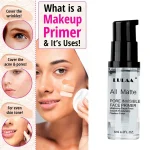
Now, apply primer selectively. Only prime areas prone to oil or large pores. Silicone primers fill texture gaps.
Water-based primers boost hydration retention. Choose based on your diagnosis above.
Apply foundation in thin layers. Build coverage gradually. Thick applications never set properly.
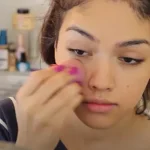
Use a dense brush or damp sponge. Press and roll rather than swipe. Swiping disturbs the underlying skincare layer.
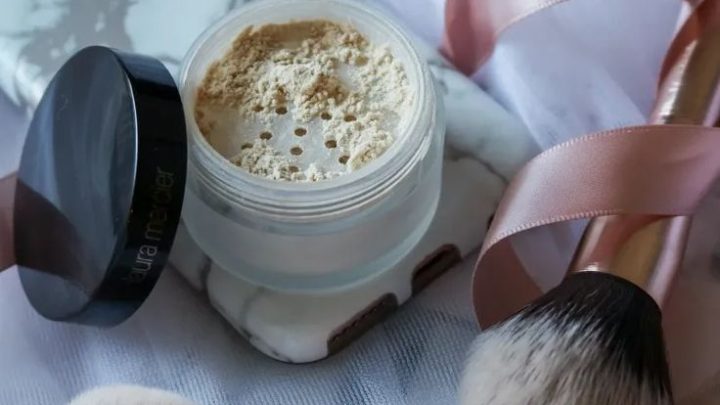
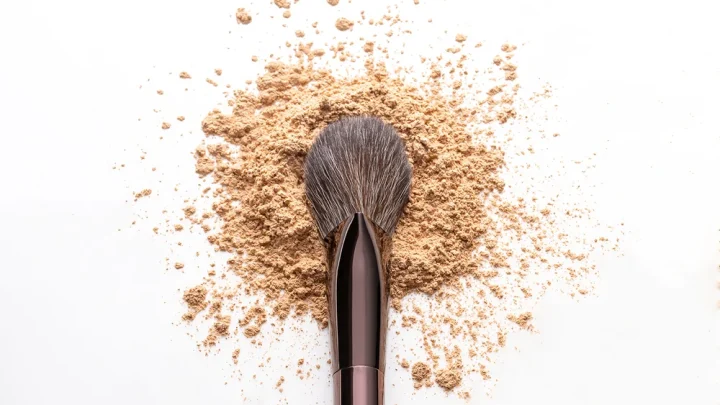
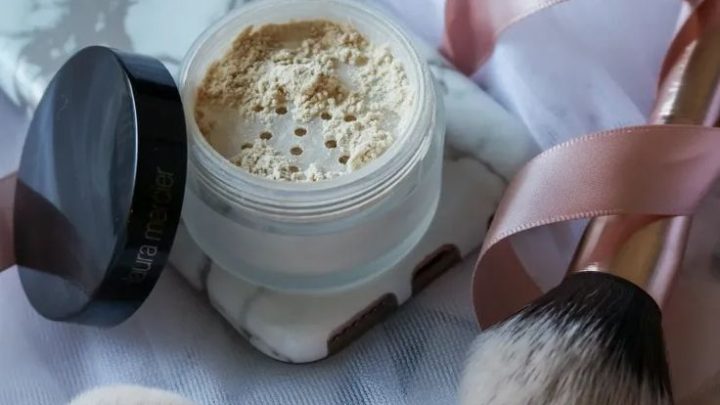
Set immediately with translucent powder. Focus on the T-zone. Use a fluffy brush for even distribution.
Baking is optional for extreme oil control. Finally, lock everything with a setting spray. Hold the bottle eight inches away.
Mist evenly. Let air-dry. Do not fan.
Fanning introduces dust and disrupts the film.
Common Layering Mistakes That Break Down Adhesion
Even perfect techniques fail if products clash. Chemical incompatibility is a silent killer. Mixing water-based and silicone-heavy formulas incorrectly causes pilling.
Pilling looks like little rolls of dirt. It destroys coverage instantly.
Rule one: Check ingredient lists. Silicones (dimethicone) repel water. Water-based products cannot penetrate silicone barriers easily.
If your moisturizer is water-based and your primer is heavy silicone, they may separate. Apply them in the correct order. Usually, lighter textures go first.
Heavier occlusives go last.
Another mistake is skipping wait times. Layering fresh product over wet product traps moisture. This creates a breeding ground for bacteria and breakdown.
The foundation sits on top instead of bonding. Always let each layer become touch-dry before proceeding.
Over-exfoliation also ruins adhesion. Scrubbing the face removes protective oils. The skin becomes reactive and inflamed.
Redness shows through makeup. Flaky patches lift pigment. Limit exfoliation to twice weekly.
Use enzymatic options over physical scrubs. They dissolve dead cells without abrasion.
Touching your face during application transfers oils from fingers. These oils degrade the makeup film. Keep hands clean.
Avoid resting your chin on your palm. Unconscious habits undermine careful prep. Be mindful of contact points throughout the day.
Choosing the Right Formula for Your Specific Conditions
Not all foundations are created equal. Selecting the right vehicle ensures better performance. Match the formulation to your lifestyle and environment.
Liquid foundations offer versatility. They come in matte, satin, and dewy finishes. Matte liquids contain higher levels of absorbent powders.
They suit oily skin types. Dewy liquids reflect light. They benefit dry or mature skin by masking wrinkles.
However, dewy formulas transfer easier. They lack the strong film-formers found in mattes.
Powder foundations excel in hot climates. They absorb sweat naturally. There is no liquid phase to break down.
Application requires skill. Use a damp brush for better adhesion. Dry brushes leave patchy results.
Powder is less likely to stain clothes initially. But it can look cakey if skin isn't prepped well.
Cream and stick foundations provide intense coverage. They contain waxes and oils. These bind tightly to the skin.
Great for dry areas or camouflage needs. Riskier for oily zones. Heat melts wax components.
Store them in cool places. Set thoroughly with powder to prevent sliding.
Tinted moisturizers are hybrid products. They combine skincare benefits with light color. Ideal for minimalists or low-humidity days.
They lack longevity for all-day wear. Reapplication is necessary. Choose these only if speed matters more than staying power.
Consider SPF content carefully. Some sunscreens interact poorly with makeup bases. They cause white cast or separation.
Test combinations beforehand. Manufacturer specifications indicate that mineral SPFs (zinc oxide) are generally more stable under makeup than chemical filters. Verify compatibility with your chosen foundation brand.
Our research suggests checking technical sheets for layering guidance.
Maintenance Habits for Long-Term Wear Success
Keeping your makeup tools clean is non-negotiable. Dirty sponges harbor bacteria and old sebum. This residue breaks down fresh foundation layers quickly.
Wash beauty blenders weekly with gentle soap. Replace them every three months. Brushes need similar attention.
Use brush cleaner after each use if possible. At minimum, deep clean them twice a month.
Check expiration dates on all products. Foundations degrade over time. The chemical bonds weaken.
Expired formulas lose their film-forming ability. Look for the PAO (Period After Opening) symbol. Most liquids last twelve to twenty-four months.
Discard anything past that window. Using old product guarantees early breakdown. It also risks skin irritation or infection.
Store cosmetics correctly. Heat damages emulsions. Sunlight degrades preservatives.
Keep bottles in cool, dark places. Avoid leaving makeup in hot cars. Temperature swings cause separation.
Shake liquid foundations gently before use. This re-emulsifies ingredients. Proper storage extends shelf life significantly.
It ensures consistent performance day after day.
Adjust your routine seasonally. Summer requires lighter textures. Winter demands richer hydration.
Your skin changes with humidity and temperature. Don’t stick to one regimen year-round. Monitor how your skin reacts monthly.
Swap primers or powders as needed. Flexibility prevents mid-season failures. Adaptation keeps your base stable regardless of weather shifts.
Frequently Asked Questions About Foundation Transfer
Can I fix melting makeup without removing it?
Yes, but carefully. Blot excess oil first. Do not wipe aggressively.
Use a clean tissue to press out shine. Then dust translucent powder lightly. Avoid adding more liquid foundation.
Layering wet product over broken makeup causes caking. Stick to dry corrections only. If damage is severe, remove and restart.
Partial fixes often look patchy. Clean removal yields better results.
Does setting spray really help prevent rubbing off?
Absolutely. Setting sprays create a flexible polymer shield. This locks pigment in place.
It resists friction from masks or phones. Alcohol-free versions suit sensitive skin. Spray in an X and T pattern.
Ensure even coverage across the face. Let it air-dry completely. Do not fan it dry.
Fanning disrupts the forming film. Patience here pays off in longevity.
Why does my foundation oxidize and change color?
Oxidation occurs when pigments react with oxygen. Sebum accelerates this process. Darker shades are prone to shifting.
Choose a shade slightly lighter than your skin. This compensates for post-application darkening. Opt for antioxidant-infused formulas.
Vitamin E or C derivatives stabilize pigments. Store foundation tightly sealed. Air exposure speeds up oxidation.
Fresh batches perform better than opened ones.
Is powder foundation better for oily skin than liquid?
Generally, yes. Powders absorb sebum immediately. Liquids require binders to resist oil.
Powder sits on top of the skin. It doesn’t penetrate pores deeply. This reduces breakouts for some users.
However, powders can look flat. They lack the dimensional finish of liquids. Many prefer layered approaches.
Liquid base plus powder set offers balance. Test both to see which lasts longer on your specific skin type.

Similar Posts